REVIEW · TRIPOLI AND BATROUN TOURS
Tripoli City Lebanon Trip
Tripoli rewards curiosity. This day trip pairs old markets and Mamluk buildings with the Citadel of Raymond de Saint-Gilles, while a private vehicle removes the hassle of reaching Lebanon’s northern city from Beirut. I like the mix of major sights and ordinary local life, especially the chance to see merchants at work in the old market. I also like that pickup, drop-off, parking, and an English or Arabic-speaking driver are included. The main drawback is that lunch and entrance fees cost extra, and the fixed non-refundable booking terms leave little room for a change of plans.
The trip begins at 8:30 am in Beirut and lasts about eight hours. The city portion is listed at roughly five hours, so you should expect a full day with time on the road. The group can reach 15 people, which keeps the price low but may feel less personal than a private guide.
In This Review
- Key points to know before you book
- Why a day in Tripoli is worth your time
- The 8:30 am departure from Beirut
- Tripoli’s abandoned railway station and the memory of the Orient Express
- The Great Mosque and Tripoli’s old market
- The Citadel of Raymond de Saint-Gilles
- A stop at a traditional soap factory
- Food, free time, and the cost of the day
- What the experience does well
- Points to consider before committing
- Who will enjoy this Tripoli day trip
- FAQ
- Where does the Tripoli tour start?
- What time does the tour begin?
- How long does the experience last?
- How far is Tripoli from Beirut?
- What is included in the price?
- Are lunch and entrance tickets included?
- How many people can join the tour?
- Should you book this Tripoli tour?
Key points to know before you book
- Tripoli is 85 kilometers north of Beirut, making this a useful day trip for seeing more of Lebanon without arranging your own transport.
- The abandoned railway station dates to 1911 and once connected Tripoli with Homs and Beirut.
- The Great Mosque belongs to Tripoli’s Mamluk period, giving the old market visit real historical weight.
- Raymond de Saint-Gilles Citadel began in 1103, and it is the city’s most imposing historic stop.
- A traditional Tripoli dish may be part of the day, but lunch itself is not included in the price.
- The $45 rate covers transport and parking, while admission charges remain separate.
Why a day in Tripoli is worth your time
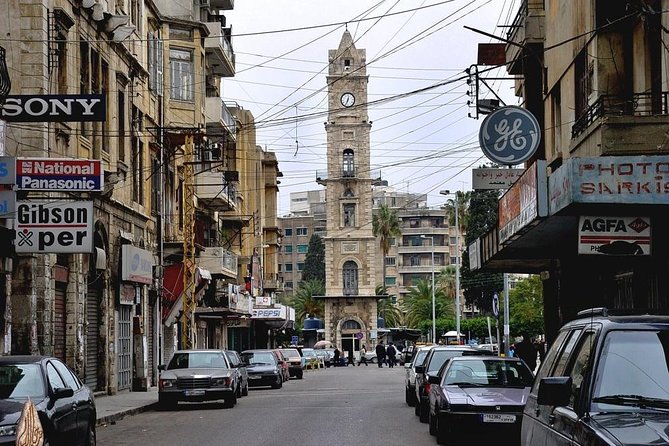
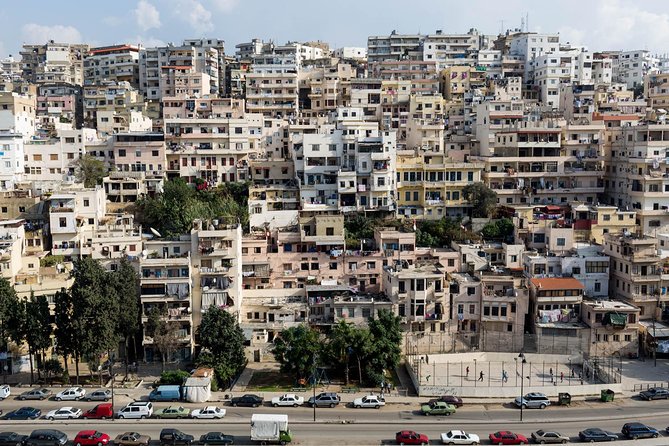
Tripoli is Lebanon’s largest city in the north and the country’s second-largest city. It sits about 85 kilometers, or 53 miles, from Beirut, far enough to feel like a change of scene but close enough for a long day trip.
The city has a long story reaching back to at least the 14th century BCE. For most visitors, though, Tripoli is especially rewarding for its medieval remains. It has Lebanon’s largest Crusader fortress and one of the world’s greatest concentrations of Mamluk architectural heritage, second only to Cairo.
I like this trip because it does not reduce Tripoli to one grand monument. You see a railway relic, a mosque, a working market, a fortress, and a traditional soap factory. Together, these stops show the city as a place where trade, worship, craft, and old political power have overlapped for centuries.
The day is also practical. You do not need to figure out a bus connection, hire a taxi for the northern leg, or worry about parking. An air-conditioned vehicle takes you from Beirut and returns you to the starting point. For $45 per person, that transport package is the main value.
More of Tripoli and Batroun:
- Aaqoura Lakes – Baatara Waterfall – Batroun
★ 4.5 · 55 reviews - PRIVATE city Tour of authentic Tripoli and vibrant Batroun
★ 5.0 · 51 reviews - Guided Small-Group Tour to Tripoli and Batroun with Lunch
★ 5.0 · 16 reviews
The 8:30 am departure from Beirut
Pickup begins in Beirut at 8:30 am. The exact pickup procedure is not described beyond hotel pickup and drop-off, so you should provide a clear hotel name and remain ready before the stated time.
The vehicle is air-conditioned, an important comfort on a full-day outing. The driver speaks English or Arabic, giving you a practical way to ask questions, confirm stops, and handle basic arrangements during the drive.
The tour is capped at 15 people. That is small enough to avoid a large coach, but it is not a one-to-one sightseeing experience. If the vehicle is full, expect less flexibility at each stop and a more general pace through the city.
The eight-hour duration includes the return to Beirut. The Tripoli sightseeing portion is listed at about five hours, which means the road journey takes a meaningful part of the day. This is not a quick excursion. You should leave Beirut ready for a long outing and wear comfortable shoes for walking through the old market and around the citadel.
Tripoli’s abandoned railway station and the memory of the Orient Express
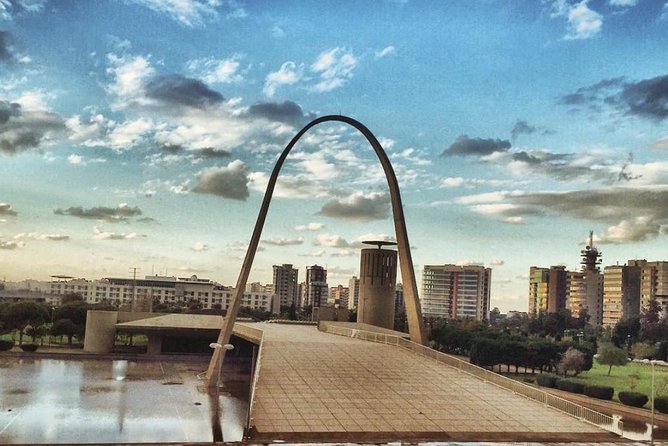
The first stop is Tripoli’s abandoned train station. It began operating in 1911 and was connected by a single track to Homs, the Syrian city. Later, the station became the terminus of the Orient Express line during the 1920s, 1930s, and 1940s.
That detail gives the station more weight than an ordinary disused railway building. It recalls a time when Tripoli sat on an international rail route linking cities across the region. In 1945, the station connected with Beirut’s central station at Mar Mikael, bringing the Lebanese capital into the same rail network.
You should approach this stop as a place of atmosphere and transport history rather than a polished museum visit. The station is described as abandoned, and no admission activity is listed. The appeal is in seeing the remains of a railway system that once carried people and goods between Lebanon and Syria.
I find this an effective opening stop because it gives you a sense of Tripoli’s regional role before you enter the old city. The station shows how the city once connected outward. The market shows how it still functions locally.
The Great Mosque and Tripoli’s old market
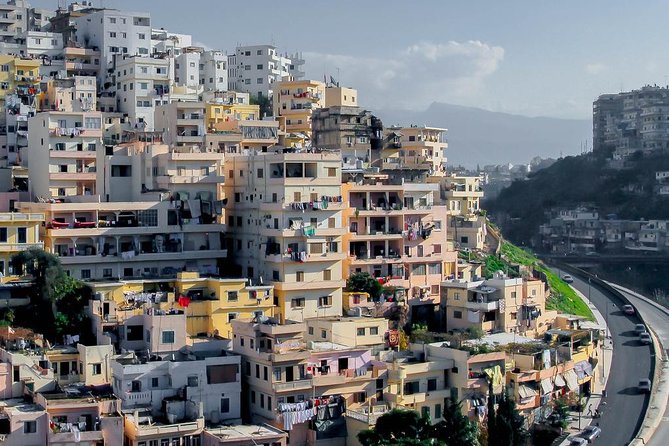
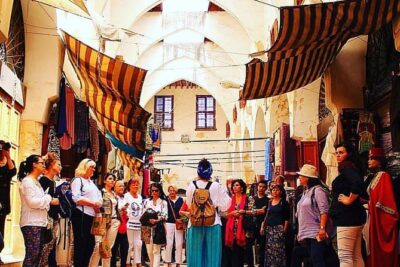
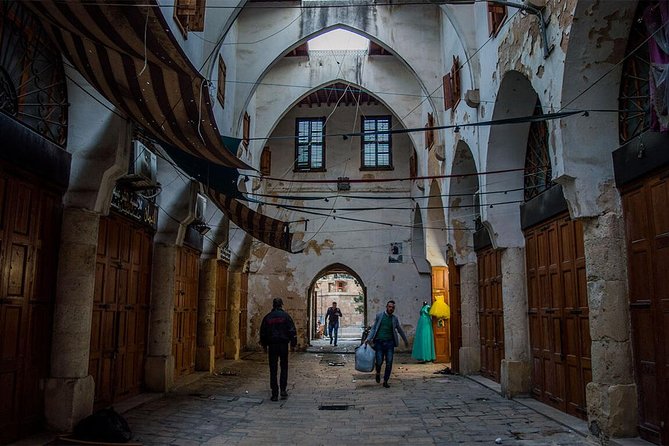
The tour then moves into Tripoli’s old market, or souk. The Great Mosque is the key architectural stop here. Built during the Mamluk period, it places you in the middle of one of the city’s strongest historic areas.
The mosque matters not only as a religious building but also as a marker of Tripoli’s medieval importance. The city is known for having the second-largest concentration of Mamluk architectural heritage in the world after Cairo, so this stop helps explain why Tripoli attracts people interested in Islamic architecture and urban history.
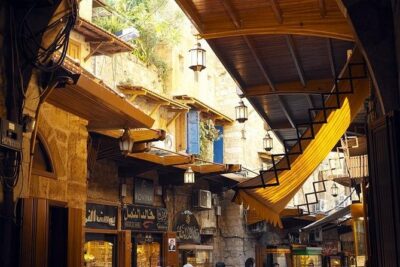
After seeing the mosque, you continue through the market. This is the part of the tour I would value most for a first visit because you are not only looking at old façades. You are watching people sell merchandise and carrying on the daily work of the city.
The market can be more rewarding than a quick monument checklist. Pay attention to the goods, the shopfronts, and the way the lanes connect. The experience is about seeing commerce in its usual setting, not simply passing through a restored historic quarter.
You should also keep your pace flexible here. The supplied schedule gives about five hours for the city portion, but it does not provide exact times for the mosque, market, fortress, or soap factory. If you want lengthy shopping or careful photography, ask the driver how much time is available at each stop.
More city tours in Beirut:
- City Sightseeing Beirut Hop-On Hop-Off Bus Tour
★ 4.5 · 87 reviews - Private Baalbek City Tour
★ 5.0 · 14 reviews - PRIVATE tour to Jeita Grottos, Harissa Shrine & Byblos City
★ 5.0 · 12 reviews - Private Beirut City Tour with Boat Ride at Raouche Rock
★ 4.5 · 10 reviews
The Citadel of Raymond de Saint-Gilles
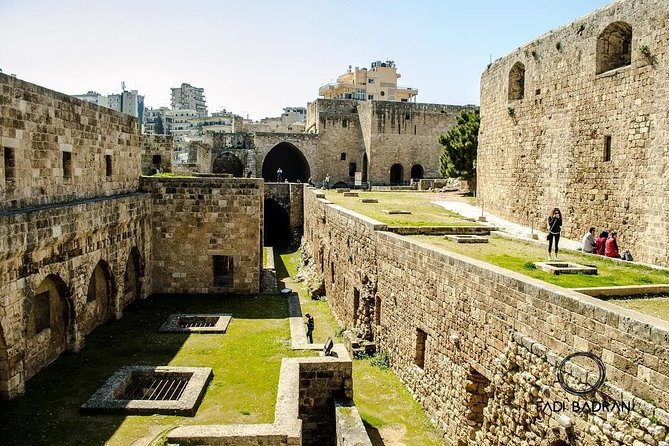
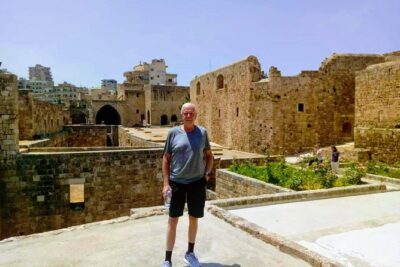
The Citadel of Raymond de Saint-Gilles is the day’s major fortress visit. Raymond de Saint-Gilles, governor of Tripoli, began building it in 1103.
The citadel gives the tour a strong Crusader-era focus, but its importance also comes from its position in Tripoli’s wider story. The fortress is described as the largest Crusader fortress in Lebanon, so this is not a minor ruin added to fill time. It is the place where the city’s strategic role becomes easiest to understand.
Expect the citadel to be a substantial historic site rather than a short photo stop. Its scale helps you picture why control of Tripoli mattered to rulers and armies. The visit also gives you a different view of the city after the close lanes of the souk.
Entrance fees are not included. That point is easy to overlook when comparing the $45 price with other day trips. Bring extra money for admission, since the tour covers transportation and parking but not ticketed sites.
The itinerary does not specify whether an official local guide is included inside the citadel. The included person is described as an English or Arabic-speaking driver. That means you should expect useful transport assistance and general commentary, but you may want to confirm the level of guided interpretation before booking if detailed fortress history is your main goal.
A stop at a traditional soap factory
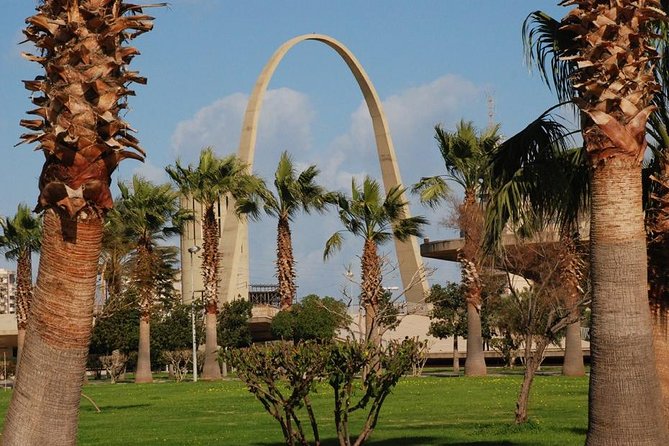
The final named sightseeing stop is a soap factory in the old area. The available details do not explain the factory’s exact process, product range, or whether there is a shop visit, so I would keep expectations sensible.
Still, this is a worthwhile idea. A soap factory adds a hands-on craft element to a day otherwise centered on buildings and streets. It can show how local production fits into the character of the old city.
The stop also balances the historical sites. The railway station looks back at regional transport, the mosque and citadel show earlier political and religious power, and the factory connects the visit to a practical local trade.
No separate admission cost is listed for the factory. Since the itinerary says entrance fees are not included in general, ask on the day if any optional charges apply.
Food, free time, and the cost of the day
Lunch is not included, so plan for that expense. One strong detail from the experience is the chance to try a traditional Tripoli dish. The dish is not named, but it was described as a highlight, so this is a good opportunity to ask the driver for a local recommendation.
Do not assume the $45 includes a meal or drinks. It covers the air-conditioned vehicle, hotel pickup and drop-off, an English or Arabic-speaking driver, and parking. Entrance fees are separate as well.
At that price, the tour offers good value if you want convenience. A round trip from Beirut to Tripoli, parking, and a full day of sightseeing can quickly become more expensive when arranged independently, especially if you are not comfortable navigating the route yourself.
The value is less clear if you already have a car and prefer to spend long periods inside one museum or monument. The five-hour city schedule means the outing is designed to cover several places, not to provide an intensive study of one site.
Group discounts may be available, though no discount amounts are provided. If you are traveling with family or friends, check the final group rate before paying.
What the experience does well
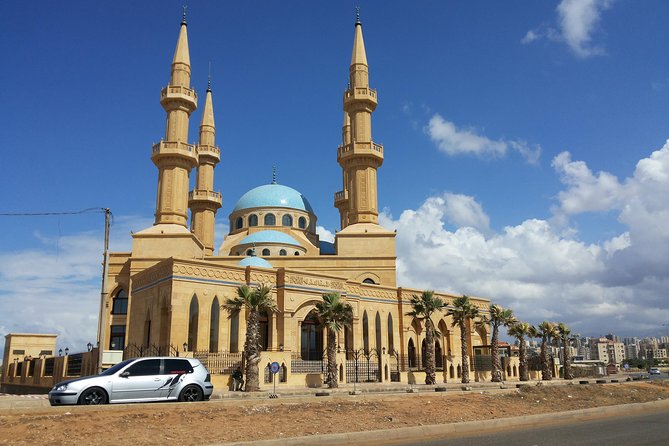
The best feature is the range of places included. Many city excursions focus only on the citadel and market. This one adds a railway station and soap factory, giving you more ways to understand Tripoli.
I also like the balance between famous architecture and daily life. The Great Mosque and citadel provide the main historic anchors, while the souk lets you see people selling goods in a working urban setting.
The driver’s role can make a major difference. A friendly and hospitable driver was praised in the supplied feedback, along with a punctual pickup. Those practical details matter on a long day. A late start or poor communication would cut into the already limited sightseeing time.
The traditional food experience is another plus, even though lunch is not included. You should treat it as a possible local recommendation rather than a guaranteed meal.
Points to consider before committing
This is a fixed, full-day plan. The departure is at 8:30 am, and the return to Beirut comes after the day’s stops. If you want a slow morning or an unstructured afternoon, this is not the right format.
The non-refundable policy is strict. Once booked, the experience cannot be canceled or amended for a refund. That makes it especially important to confirm your date, pickup details, and party size before paying.
The tour is described as suitable for most people, but the details do not specify step-free access, seating conditions at each site, or walking distances. If you have mobility concerns, ask the provider before booking.
Tripoli is presented as a safe destination in the information provided, and the direct experience described the city as very safe. Even so, normal urban awareness remains sensible in any busy market area. Keep your belongings secure and follow the driver’s local advice.
Who will enjoy this Tripoli day trip
I would recommend this outing to first-time visitors based in Beirut who want to see northern Lebanon without arranging transport themselves. It suits people who enjoy a mix of history, local commerce, food, and traditional craft.
It is also a good fit for small groups seeking a low-cost day out. The maximum of 15 people keeps the group from reaching coach-tour size, while the included vehicle and parking remove much of the practical work.
History fans should enjoy the Crusader citadel, Mamluk mosque, and old railway station. You will get the most from the day if you like seeing several layers of a city rather than spending hours in a single attraction.
I would be more cautious if you need a private pace, a detailed specialist guide, or guaranteed meal arrangements. In those cases, confirm what the driver explains at each stop and consider the extra cost of entrance tickets and food.
FAQ
Where does the Tripoli tour start?
The tour starts in Beirut, Lebanon, with pickup offered.
What time does the tour begin?
The stated start time is 8:30 am.
How long does the experience last?
The full experience lasts approximately eight hours, including the return to Beirut.
How far is Tripoli from Beirut?
Tripoli is about 85 kilometers, or 53 miles, north of Beirut.
What is included in the price?
The price includes an air-conditioned vehicle, hotel pickup and drop-off, an English or Arabic-speaking driver, and parking fees.
Are lunch and entrance tickets included?
No. Lunch and entrance fees are not included.
How many people can join the tour?
The activity has a maximum group size of 15 people.
Should you book this Tripoli tour?
Book it if you want an affordable, transport-inclusive day from Beirut that covers Tripoli’s main historic and everyday highlights. The old market, Great Mosque, citadel, railway station, and soap factory create a varied schedule, and the chance to try a traditional Tripoli dish adds a welcome local touch.
Before paying, budget for lunch and admission fees, confirm the pickup details, and make sure the fixed booking terms suit your plans. If those conditions work for you, this is a practical way to reach northern Lebanon and see a city that deserves more than a quick stop.
Just added in Beirut
- Wine Tasting Tour★ 5.0 · 2 reviews
- Lebanon tours vip jeitta byblos beirut we charge per vechile not per person.★ 5.0 · 1 review
- Lebanon’s Treasures: Jeita Grotto and Harissa Private Tour★ 5.0 · 2 reviews
- Journey Through Time: A Private Tour of Tripoli and Byblos★ 5.0 · 1 review
- Small Group Tour to Baalbek, Anjar & Ksara with Hotel pickup★ 5.0 · 2 reviews
- Small-Group Tour with Lunch to Sidon, Tyre & Maghdouche★ 5.0 · 2 reviews
- Guided Small-Group Tour to Baalbek, Cedars & Qozhaya with Lunch★ 5.0 · 2 reviews
- Small-Group Tour Qadisha Valley, Becharre and Cedars with Lunch and Tickets★ 5.0 · 1 review
Tripoli and Batroun Tours

PRIVATE city Tour of authentic Tripoli and vibrant Batroun
Read our review →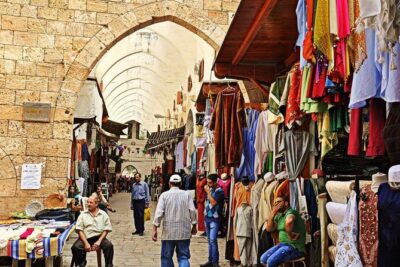
Guided Small-Group Tour to Tripoli and Batroun with Lunch
Read our review →
Full day Tripoli private great guide/all-in + rustic meal
Read our review →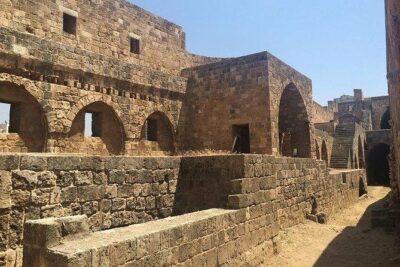
Private Full-Day Tour to Byblos and Tripoli from Beirut
Read our review →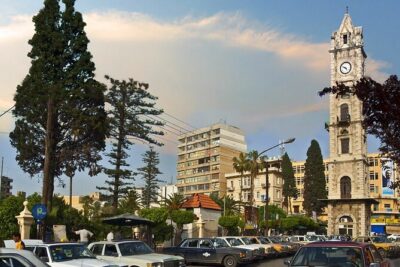
Guided Full-Day Private Trip to Tripoli from Beirut
Read our review →