REVIEW · TRIPOLI AND BATROUN TOURS
PRIVATE city Tour of authentic Tripoli and vibrant Batroun
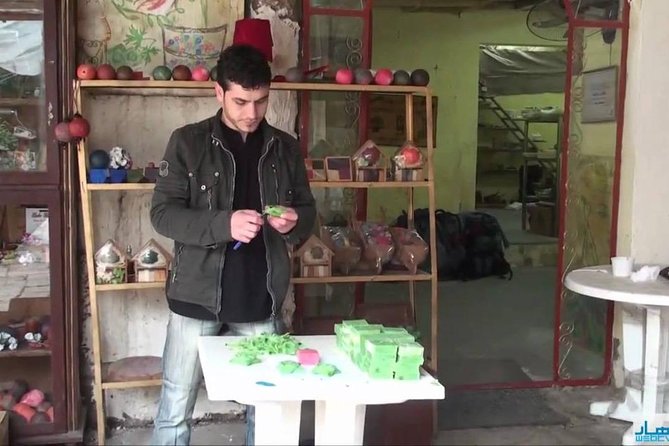
Lebanon rewards curious detours. This 6 to 7 hour trip from Beirut brings you to two very different northern cities: Tripoli, with its working souks and Crusader fortress, and Batroun, with its Phoenician wall and easy seaside feel. I especially like the chance to see local craftspeople at work and the generous stop at Hallab 1881, where Lebanese sweets are treated as an art form.
I also like the guide-led travel with Dave, who is praised for making Lebanon’s complicated past understandable and for adding stories about daily life. The main consideration is pace: you will spend time walking in old Tripoli, sometimes in hot weather, and lunch is not included. This is a full day of sights rather than a slow coastal outing.
In This Review
- Key points before you book
- Why this northern Lebanon day trip works
- Leaving Beirut with Dave
- Batroun’s Phoenician wall and coastal character
- Tripoli’s souks, where history is still working
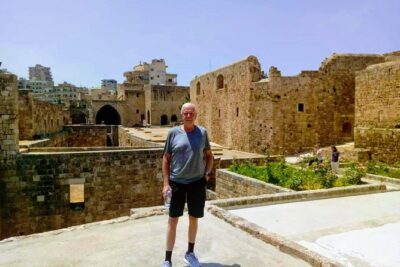
- Citadel Saint Gilles above Tripoli
- Hallab 1881 and the sweet side of Tripoli
- Transport, group size, and daily comfort
- Who will enjoy this tour most
- Booking and cancellation details
- FAQ
- What cities does the tour visit?
- What time does the tour start?
- How long does the experience last?
- Is hotel pickup included?
- Is lunch included?
- How large is the group?
- Should you book the Tripoli and Batroun tour?
Key points before you book
- Tripoli feels very different from Beirut: The old souks offer a more local, less polished setting, with workshops, shops, and food traditions still in daily use.
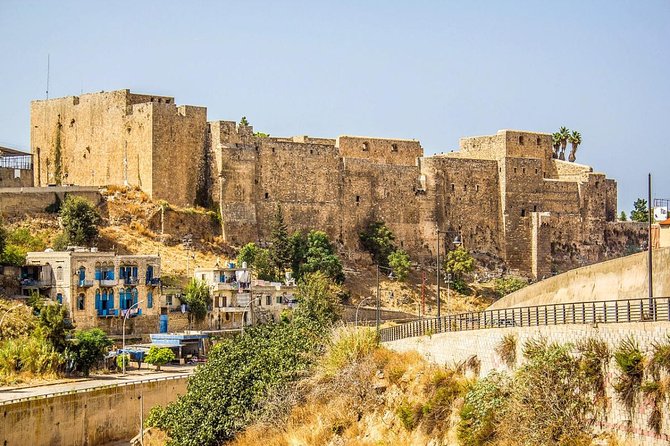
- Citadel Saint Gilles gives the day its big historical stop: The fortress has Crusader, Mamluk, and Ottoman elements, plus a moat and three gateways.
- Hallab 1881 is more than a quick tasting: You can sample a broad range of Lebanese pastries and ask about the flavors.
- Batroun adds a calmer seaside finish: Its Phoenician wall, old streets, cafés, beaches, breweries, and wineries create a gentler contrast with Tripoli.
- Dave is a major part of the experience: His English, humor, personal knowledge of Lebanon, and flexible approach receive repeated praise.
- Plan for practical comfort: Hotel pickup and drop-off are included, but bring water, sun protection, and shoes suitable for moderate walking.
Why this northern Lebanon day trip works
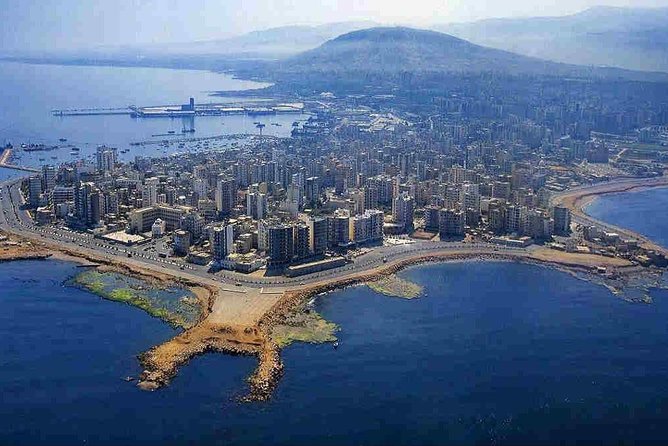
Beirut can give you an international introduction to Lebanon, but Tripoli and Batroun show a different side of the country. One is a dense northern city with a strong old-town identity. The other is a coastal town where ancient remains share space with cafés and leisure spots.
That contrast is the clever part of the route. You do not spend the entire day looking at similar monuments. Instead, you move from the close quarters of Tripoli’s souks to a fortress above the city, then finish beside the sea in Batroun. Food ties the day together, with Lebanese pastry providing a welcome pause after sightseeing.
The tour costs $113.34 per person. That is a fair price if you value hotel transportation, a driver-guide, local taxes, fuel costs, and a small group capped at 15 people. You are paying for far more than a ride north. The guide provides historical context, explains local life, and can make the long drive useful rather than wasted time.
The value is strongest for first-time visitors to Lebanon who want an overview of the northern region without arranging transport, navigation, and site visits separately. It is less compelling if you prefer to linger for hours at one location or want a dedicated food tour with a full meal.
More of Tripoli and Batroun:
- Aaqoura Lakes – Baatara Waterfall – Batroun
★ 4.5 · 55 reviews - Guided Small-Group Tour to Tripoli and Batroun with Lunch
★ 5.0 · 16 reviews - Full day Tripoli private great guide/all-in + rustic meal
★ 5.0 · 7 reviews
Leaving Beirut with Dave
Pickup begins at 9:00 a.m., with hotel pickup and drop-off included. The exact amount of time spent on the road is not specified, so you should think of this as a full-day outing even though the advertised touring time is about 6 to 7 hours.
Dave, also referred to as David, is central to the day’s appeal. He guides, drives, and interprets Lebanon as someone who cares deeply about the country. His approach combines formal facts with personal stories about modern Lebanon and everyday life. That helps explain why the journey between stops can feel like part of the tour rather than simple transit.
His style also appears to suit different kinds of people. He has been praised for clear English, humor, patience, flexibility, and the ability to explain difficult subjects through simple comparisons. One solo woman specifically found the experience professional and reassuring, while another person who had booked several tours in Lebanon considered Dave the strongest guide of the group.
Do not expect a silent transfer in which you simply watch the road. Dave may talk about the country’s past and present along the way, and one account even mentions music during the return drive. If you enjoy conversation and context, this is a real benefit. If you want a quiet day, you should know that the guide’s storytelling is an important part of the experience.
Batroun’s Phoenician wall and coastal character
The Batroun stop lasts about 45 minutes and has no admission charge. It is a short introduction rather than a long archaeological visit, but it gives the day a pleasant opening or pause around the old coastal town.
The Phoenician wall is the main historic feature here. Batroun is also known for old streets, beaches, bed-and-breakfast accommodation, breweries, and wineries. The town’s appeal comes from the mix: ancient stonework sits alongside places built for a relaxed afternoon by the water.
You will likely appreciate Batroun most if you enjoy atmosphere more than a long list of formal exhibits. The stop allows you to walk, take in the old setting, and see how the town balances its past with modern cafés and leisure culture. It is also a useful contrast with Tripoli, where the day becomes more urban, crowded, and focused on working districts.
The limitation is time. Forty-five minutes is enough for an introduction to the wall and nearby streets, but not enough to explore Batroun at a leisurely pace or spend time at its beaches, breweries, or wineries. If Batroun is your main reason for booking, you may want a separate visit with more time.
Tripoli’s souks, where history is still working
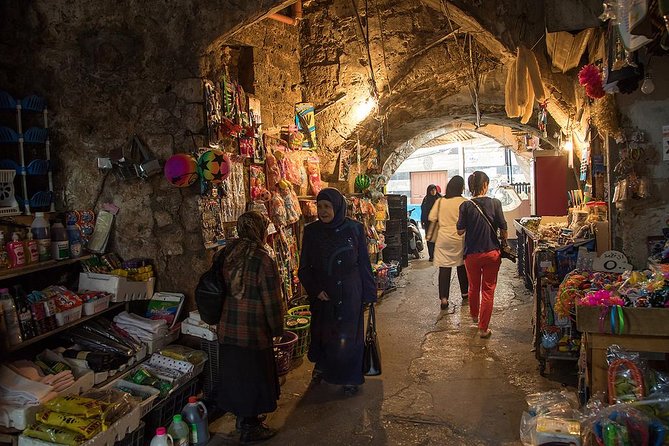
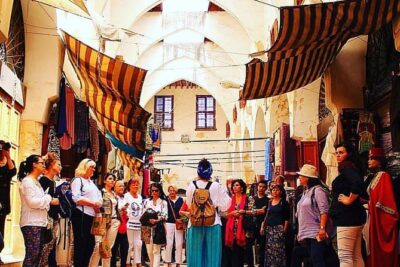
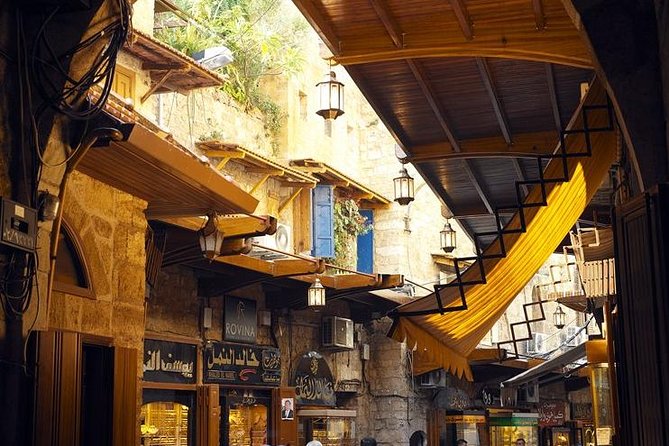
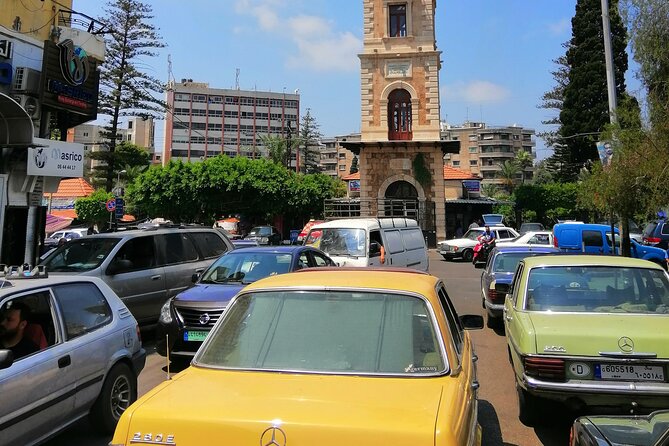
Tripoli receives most of the touring time, and that makes sense. The city’s old souks are the heart of the experience. Here you can walk through narrow commercial lanes, see local craftsmen at work, and observe a part of city life that has not been arranged solely for sightseeing.
This is not a glossy heritage district. The appeal lies in the lived-in quality of the place. Shops and workshops continue to give the streets their purpose, and a guide helps you notice details you might otherwise pass without understanding. Dave’s explanations about Lebanese culture and recent events add meaning to buildings and street scenes that could otherwise seem confusing.
Prepare for a sensory outing. The souks can be busy, warm, and uneven underfoot. A moderate level of fitness is required, and you should carry drinking water and protect yourself from the sun. One useful timing tip comes from the experience of a Friday visit: the streets may be less crowded then. That is not a guarantee, but it could make the walking more comfortable.
Tripoli also offers a sharper contrast with Beirut than many short excursions do. The city has its own atmosphere, and its old center feels more local and less geared toward international visitors. That can be rewarding, but it also means you should arrive with an open mind. This is a place to observe real urban life, not just photograph restored façades.
More city tours in Beirut:
- City Sightseeing Beirut Hop-On Hop-Off Bus Tour
★ 4.5 · 87 reviews - Private Baalbek City Tour
★ 5.0 · 14 reviews - PRIVATE tour to Jeita Grottos, Harissa Shrine & Byblos City
★ 5.0 · 12 reviews - Private Beirut City Tour with Boat Ride at Raouche Rock
★ 4.5 · 10 reviews
Citadel Saint Gilles above Tripoli
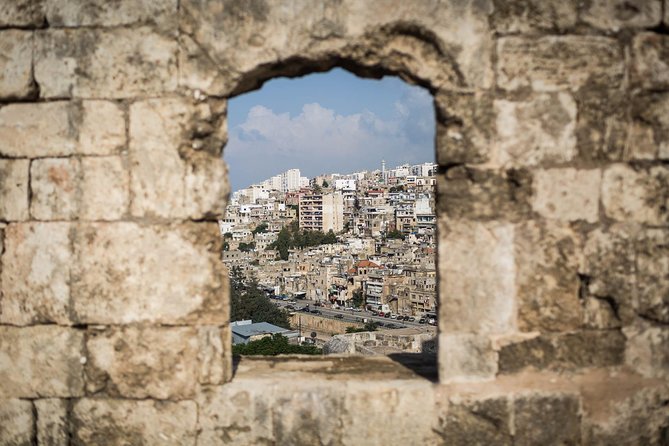
The Citadel Saint Gilles, also called Qal’at Sinjil, receives about an hour. Admission is included, so there is no extra entrance fee to manage during the visit.
The fortress was first built in 1103 to 1104 during the Crusader period. It was burned in 1297 and partly rebuilt in the following century by a Mamluk emir. The site is still used by the Lebanese military, which gives it a practical present-day role as well as a long historical one.
The entrance is the most striking section. You pass a moat and three gateways linked to different periods: Ottoman, Mamluk, and Crusader. That layered construction is what makes the site valuable. You are not seeing one untouched monument from one era. You are seeing a building altered by changing rulers, military needs, and time.
Inside, information panels and a small museum help place the fortress in context. An hour should give you enough time to examine the entrance, walk through the interior, and listen to the guide’s explanation without turning the stop into a rushed photo break.
The citadel also gives the tour a strong physical landmark above Tripoli and the river. After the close lanes of the souks, the open fortress setting changes your view of the city. The practical warning is the same as elsewhere on the route: comfortable shoes matter, and hot weather can make the walking feel harder than the schedule suggests.
Hallab 1881 and the sweet side of Tripoli
The visit to Qasr al-Hلو Hallab 1881 lasts about an hour and includes admission. This is one of the day’s most enjoyable stops because it turns a familiar travel activity, tasting sweets, into a look at Tripoli’s food culture.
The family business dates to 1881, when talented chefs began a large sweets factory in the city. Lebanese sweets are famous in Tripoli, and the selection goes well beyond baklava. You may find a broad range of pastries and flavors displayed for tasting, with the chef available to explain the differences.
That guidance matters. A large pastry counter can be bewildering when you do not know the names, textures, or fillings. Rather than grabbing the first attractive piece, you can ask about the ingredients and choose according to your taste. If you enjoy food, this stop may be the day’s highlight.
The hour also works as a break after the fortress and old-town walking. It gives you time to sit, taste, and reset before the return journey. Lunch is not included, so do not treat the sweets as a replacement for a proper meal. They are a substantial tasting stop, but you should plan your appetite accordingly.
Transport, group size, and daily comfort
A maximum of 15 people keeps the outing smaller than a large coach excursion. That matters in Tripoli’s old lanes, where a huge group would be awkward and slow. The tour can also operate with fewer people, subject to the required minimum number of bookings. On at least one occasion, Dave continued with a solo participant after the other bookings were canceled, but you should not assume every departure will work that way.
Hotel pickup and drop-off are included, along with the driver-guide, fuel surcharge, and local taxes. Those inclusions make the $113.34 price easier to assess. You do not need to arrange a northern Lebanon driver, pay separate fuel costs, or work out how to connect three distinct stops yourself.
Lunch is extra. The smart casual dress code is easy to follow, but modest, comfortable clothing is sensible for a historic city and fortress. Bring:
- Water
- Sun protection
- Comfortable walking shoes
- A little flexibility for traffic and local conditions
The activity calls for moderate physical fitness. That does not mean a strenuous hike, but you should be comfortable walking through old streets and around a fortress in potentially warm weather. Anyone with limited mobility should ask the provider for more details before booking, since no specific accessibility information is provided.
Who will enjoy this tour most
I would recommend this outing to you if you want a broad, guided introduction to northern Lebanon in one day. It suits first-time visitors, history fans, food lovers, solo participants, and anyone who feels more comfortable having an experienced local guide handle the driving and route.
It is especially useful if you want more than postcard Lebanon. Tripoli offers working streets, craft traditions, and difficult layers of history. Batroun provides a lighter coastal counterpoint. Dave’s explanations can help you understand how those places fit into the country as a whole.
You may want another option if your priority is nightlife, a long beach visit, or a relaxed lunch by the sea. Batroun is present, but briefly. You should also reconsider if you dislike guided conversation, walking in warm conditions, or a schedule that combines several different types of stops.
The 98 percent recommendation rate and 5.0 rating from 51 ratings point to a consistently strong experience, particularly because of Dave’s personal style. The praise centers on his clear English, passion for Lebanon, historical explanations, flexibility, and ability to make complicated subjects easy to follow. Those are meaningful strengths, but they also mean the guide is not a minor detail. Your enjoyment will depend partly on how much you like an engaged, talkative escort.
Booking and cancellation details
The tour is commonly reserved about nine days ahead, so booking in advance is sensible if your schedule is tight. Confirmation is normally sent at booking. If you reserve within 12 hours of departure, confirmation arrives as soon as possible and depends on availability.
Free cancellation is available up to 24 hours before the 9:00 a.m. start time for a full refund. Cancellations or changes made within 24 hours are not refunded or accepted, and the cut-off uses local time.
FAQ
What cities does the tour visit?
The tour visits Batroun and Tripoli in northern Lebanon, departing from Beirut and returning to Beirut.
What time does the tour start?
The scheduled start time is 9:00 a.m.
How long does the experience last?
The tour lasts approximately 6 to 7 hours.
Is hotel pickup included?
Yes. Hotel pickup and drop-off are included in the tour price.
Is lunch included?
No. Lunch is not included, so you should plan for that expense separately.
How large is the group?
The maximum group size is 15 people. A minimum number of bookings is required for the activity to operate.
Should you book the Tripoli and Batroun tour?
Book it if you want to see two distinct parts of northern Lebanon without managing the transport yourself. The strongest reasons are the working souks of Tripoli, the layered Citadel Saint Gilles, the Hallab 1881 pastry tasting, and Dave’s personal way of explaining Lebanon.
Go prepared for walking, heat, a talkative guide, and a day that gives Batroun only a short visit. Bring water, wear sensible shoes, and do not expect lunch to be covered. With those points in mind, this is a well-priced choice for seeing beyond Beirut and gaining a clearer feel for Lebanon’s culture, past, and everyday life.
Just added in Beirut
- Wine Tasting Tour★ 5.0 · 2 reviews
- Lebanon tours vip jeitta byblos beirut we charge per vechile not per person.★ 5.0 · 1 review
- Lebanon’s Treasures: Jeita Grotto and Harissa Private Tour★ 5.0 · 2 reviews
- Journey Through Time: A Private Tour of Tripoli and Byblos★ 5.0 · 1 review
- Small Group Tour to Baalbek, Anjar & Ksara with Hotel pickup★ 5.0 · 2 reviews
- Small-Group Tour with Lunch to Sidon, Tyre & Maghdouche★ 5.0 · 2 reviews
- Guided Small-Group Tour to Baalbek, Cedars & Qozhaya with Lunch★ 5.0 · 2 reviews
- Small-Group Tour Qadisha Valley, Becharre and Cedars with Lunch and Tickets★ 5.0 · 1 review
Tripoli and Batroun Tours

Guided Small-Group Tour to Tripoli and Batroun with Lunch
Read our review →
Full day Tripoli private great guide/all-in + rustic meal
Read our review →
Private Full-Day Tour to Byblos and Tripoli from Beirut
Read our review →
Guided Full-Day Private Trip to Tripoli from Beirut
Read our review →