REVIEW · TRIPOLI AND BATROUN TOURS
Guided Small-Group Tour to Tripoli and Batroun with Lunch
Tripoli rewards curiosity. This eight-hour outing links Tripoli’s old souks with Batroun’s Phoenician sea wall, while a guide handles the roads, timing, and local introductions. I like the small maximum of 15, and I like the door-to-door pickup from your Beirut hotel.
The tour also includes lunch at a Lebanese restaurant, a useful touch on a full northern Lebanon day. The main drawback is the packed schedule: you see many places quickly, and the Citadel admission fee is not included.
In This Review
- Five things to know before booking
- Why this northern Lebanon day works
- Tripoli’s old center, where every turn changes the subject
- The Citadel of Saint Gilles and Tripoli’s layered past
- Two mosques and the marks left by earlier buildings
- Khans, baths, and the soap-making tradition
- Sweets, the fairgrounds, and Al-Mina
- Lunch gives the day a needed pause
- Batroun and its Phoenician sea wall
- What the $65 price really buys you
- Who should book this day
- Should you book the Tripoli and Batroun tour?
- FAQ
- Where does the tour start?
- How long does the tour last?
- What cities does the tour visit?
- Is hotel pickup and drop-off included?
- How many people can join the tour?
- Is lunch included?
- Is transportation provided?
- Is the Citadel entrance fee included?
- Can I cancel for a full refund?
Five things to know before booking
- Tripoli is the main event: Expect mosques, khans, hammams, markets, a soap factory, and a Crusader-era citadel.
- The group stays small: A maximum of 15 people gives you a better chance to ask questions and hear the guide.
- Lunch is included: You get a local Lebanese meal without needing to find a restaurant during a busy sightseeing day.
- Transport removes a major worry: Hotel pickup, an air-conditioned vehicle, and hotel drop-off spare you the strain of driving in Lebanon.
- Batroun is a short stop: The visit focuses on the city and its ancient Phoenician wall rather than a long coastal stay.
- The price is reasonable: At $65 per person, transport, guiding, lunch, and a full day in two northern cities make this a useful package.
Why this northern Lebanon day works
Driving yourself from Beirut to Tripoli and Batroun can turn a promising day into a tiring exercise in navigation. This tour keeps the route simple. You are collected at your hotel at about 8:30 am, driven north in an air-conditioned vehicle, shown around by a professional guide, fed lunch, and returned to Beirut.
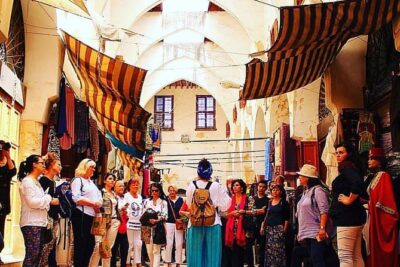
That structure matters. Tripoli’s historic center is best understood on foot, where the streets narrow, trades spill into old buildings, and religious monuments appear beside working shops. A guide can explain how Crusader, Mamluke, Ottoman, and modern Lebanese layers fit together. Without that context, you may see attractive stonework but miss the story.
The group limit of 15 is another real benefit. It is not a private tour, so the pace and conversation will depend on the group, but it is small enough for better contact with the guide than a large coach outing. One particularly positive account names Albert as the guide and praises his explanations of both the tour and current events in Lebanon and the wider world. That suggests the guiding can extend beyond memorized dates.
The day is also a practical choice for visitors who want northern Lebanon without arranging several separate rides. At $65, you are paying not only for entry into the itinerary, but for the vehicle, driver, hotel transfers, guide, and lunch. The value is strongest if you would otherwise need to hire a car or arrange a private driver.
More of Tripoli and Batroun:
- Aaqoura Lakes – Baatara Waterfall – Batroun
★ 4.5 · 55 reviews - PRIVATE city Tour of authentic Tripoli and vibrant Batroun
★ 5.0 · 51 reviews - Full day Tripoli private great guide/all-in + rustic meal
★ 5.0 · 7 reviews
Tripoli’s old center, where every turn changes the subject
The first major stop is Tripoli itself, with about three hours allocated to the city. Tripoli is one of Lebanon’s oldest cities, with roots reaching back to the Phoenician era. Its historic center contains dozens of protected buildings, including mosques from the Mamluke and Ottoman periods, old baths, covered markets, and khans built around trade.
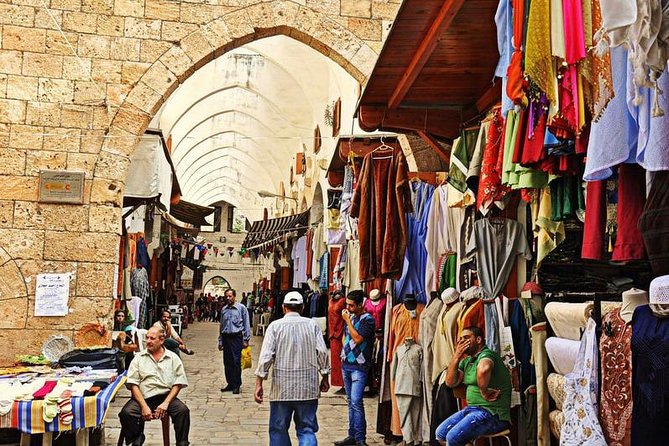
I would expect the walking portion to be the most atmospheric part of the day. The souks are not a polished open-air museum. They are working streets with food, textiles, metalwork, tailoring, produce, and other trades. That gives the visit its character, but it also means you should wear comfortable shoes and stay close to the guide.
The itinerary calls out Souk Al-Harajb, one part of a larger network of nine souks. Other named markets include the Attareen, Bazerkan, Haddadin, Haraj, Kameh, Koundarjiyeh, Nahhasin, Samak, and Sayyaghin souks. You do not need to memorize the names. The useful point is that Tripoli’s market district is not one short lane. It is a web of passages, alleys, smells, colors, and traditional workshops.
A full hour is assigned to the souks, which is welcome. That is more time than the quick photo stop often given to an old market. Still, the day includes many separate sights, so your guide may need to keep the group moving.
The Citadel of Saint Gilles and Tripoli’s layered past
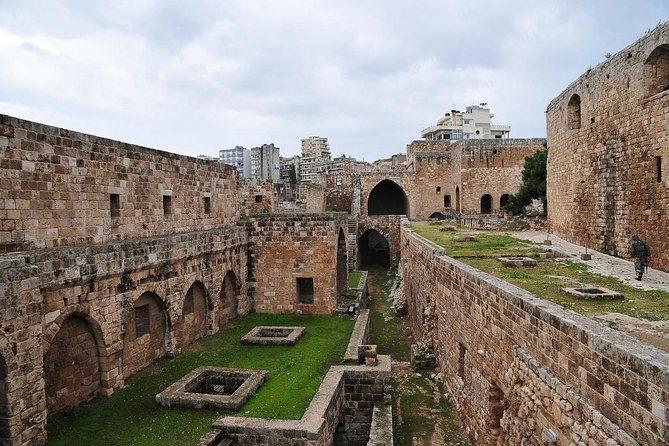
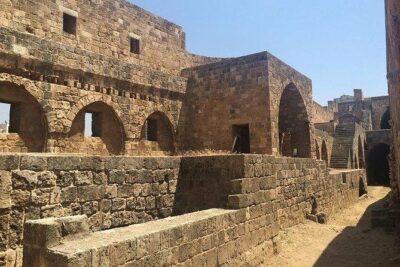
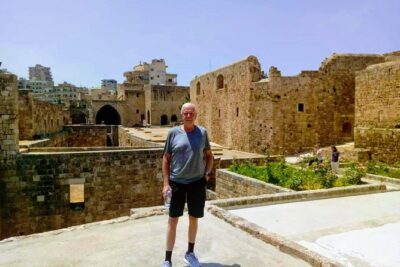
Above the city, the Citadel of Tripoli provides a change of scale. Known as Qal’at Sinjil, or Saint Gilles, the fortress measures about 140 meters long and 70 meters wide. Its walls and structures reflect several periods, including Fatimid, Crusader, Mamluke, and Ottoman work.
The site began with an octagonal Fatimid construction that Crusaders converted into a church. Crusader structures from the 12th and 13th centuries remain, while later Mamluke and Ottoman additions altered the complex. Much of the form you see today follows restoration work carried out by Mustafa Barbar Agha, Tripoli’s governor in the early 19th century.
The planned visit lasts about 30 minutes. That is enough for an overview and city views, but not enough for a slow architectural study. The admission ticket is not included, so budget for that separately. Since the tour price is low for a full day, this extra cost should not be a surprise, but it is worth noting before you go.
The Citadel also helps you read the city below. After walking through the compressed market streets, you can look back at Tripoli from a defensive height and understand why this position mattered. The contrast between the fortress and the active old town gives the day a strong rhythm.
Two mosques and the marks left by earlier buildings
The Al Mansouri Great Mosque dates from 1294 to 1315 and was built over the remains of the Crusader cathedral of St. Mary of the Tower. Its courtyard leads to a vaulted prayer hall, and traces of the former church remain in the northern entrance and the bell tower, which became the minaret.
The visit lasts about 20 minutes. You should pay attention to the reused architectural elements rather than expect a long interior tour. Foundation plaques and inscriptions also offer clues about daily life during the Mamluke period, giving the building value beyond its religious importance.
The Taynal Mosque, built in 1336, offers another clear example of old materials being put to new use. Two rows of granite columns with late Roman capitals survive in the first prayer hall, while the second prayer hall has distinctive Mamluke decoration. The adjoining domed mausoleum contains the tomb of the founder, Saif Ed-Dine Taynâl.
Each mosque receives about 20 minutes. That keeps the schedule moving, but the short visits make the guide’s explanations important. One Spanish-language account specifically praises seeing the souk and entering a mosque with its madrasa. If access is available during your visit, these interiors may become some of the day’s most memorable spaces.
Dress and behavior should be respectful at religious sites. The supplied tour details do not specify a dress code, so follow the guide’s instructions and local customs.
A completely different kind of day out:
- Guided Small-Group Tour to Baalbek, Anjar and Ksara with Lunch
★ 5.0 · 511 reviews - Guided Small-Group Tour to Jeita, Harissa, Byblos with Lunch
★ 5.0 · 361 reviews - Paragliding Trip Over Lebanon – Jounieh Bay
★ 5.0 · 257 reviews - Jeita Grotto,Harissa&Byblos Full-Day PRIVATE-CAR Trip from Beirut
★ 5.0 · 222 reviews
Khans, baths, and the soap-making tradition
Tripoli’s khans were built around commerce, storage, lodging, and skilled trades. Khan Al-Khayyatin, or the Tailors’ Khan, is a long rectangular building with a covered central courtyard and shops along both sides. Tailors and related trades still use the space, including businesses selling needles, thread, and sewing machines.
The planned stop is only about five minutes. That means you should treat it as a quick look at the building and its continuing purpose, not as a long shopping session.
The Tripoli Soap Factory, also called Khan As Sabon or Khan al-Masriyen, has a different past. Built in the early 17th century, it originally served as an Ottoman military barracks. Its rectangular plan has two-story arcaded corridors around a fountain courtyard. The stop is also listed at about five minutes, so you may get an introduction to the soap tradition rather than a full workshop demonstration.
The bathhouses add another layer. Hammam Al Abed is described as the only functioning hammam in Tripoli, probably built near the end of the 17th century. Its pierced domes, cushions, central fountain, and traditional fittings give you a sense of how public bathing once worked.
Hammam Al Jadid, built around 1740, is the largest hammam in Tripoli, though it has not operated since the 1970s. Its faded condition is part of what makes it evocative. Hammam Izzeddine, founded by the Mamluke governor Izz ed-Dine Aybak, was in use until recently and is now being restored. The governor’s mausoleum sits beside it.
These bathhouse stops are each listed at about five minutes, so do not expect extended interior access at every one. They work best as brief clues to the city’s old civic life.
Sweets, the fairgrounds, and Al-Mina
The itinerary then shifts from medieval trade to more recent architecture and local food culture. The Rachid Karami International Fair was designed in 1963 by Brazilian architect Oscar Niemeyer. Its 15 structures were left unfinished after the civil war halted the project in 1975.
Even a short five-minute stop can be worthwhile for architecture-minded visitors. The fairgrounds represent an ambitious modern Lebanon that was never completed. Since the visit is brief, expect an exterior impression rather than a detailed architectural tour.
Hallab 1881 brings you back to food. The Hallab family has produced Lebanese sweets in Tripoli since 1881, and its Kasr El Helou is treated as one of the city’s major landmarks. The stop lasts about 15 minutes. This is a sensible place to learn about Tripoli’s sweets and possibly consider a purchase, though the included meal is separate from this visit.
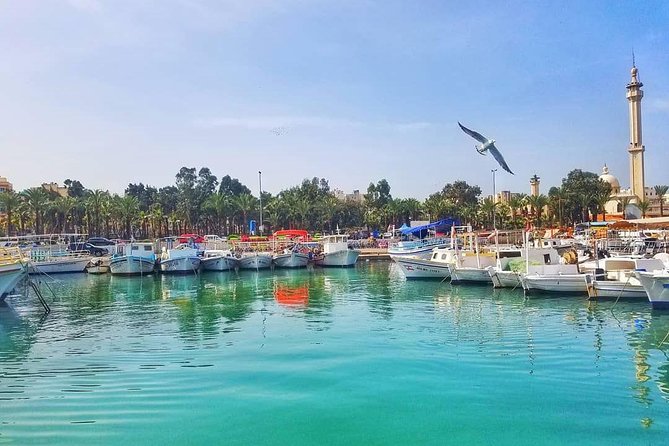
Al-Mina, the port area, occupies the site of the old Phoenician city of Tripoli. It includes nine islands, four of which are natural reserves intended to support fish breeding and protect natural habitats. The planned stop lasts 15 minutes, giving you a short coastal view and a reminder that Tripoli has always depended on the sea.
Lunch gives the day a needed pause
Lunch at an authentic Lebanese restaurant is included. The supplied details do not name the restaurant or specify the dishes, so you should not assume a particular menu. Still, including lunch is valuable on a tightly scheduled day because you do not have to spend part of the visit searching for a place to eat.
Food is also part of the destination, not just a break between monuments. A local restaurant adds a practical chance to taste Lebanese cooking in the setting of a northern city. The exact timing is not stated, so the guide may place lunch according to the route and the group’s pace.
For a $65 tour, lunch helps strengthen the value. A self-arranged day would require you to cover transport, fuel or a driver, guiding, and food separately. The tour does not promise luxury dining, and that is not the point. It promises a convenient local meal within the day’s route.
Batroun and its Phoenician sea wall
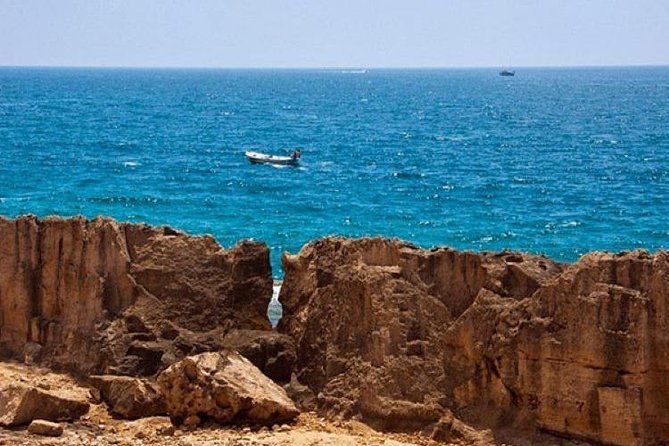
Batroun is the second city, but it receives less time than Tripoli. The itinerary allows about 30 minutes in Batroun, followed by about 20 minutes at the Phoenician Wall.
Batroun is an ancient coastal city with Phoenician roots reaching back more than three millennia. It is also known for churches, old castles, citrus fruit, beaches, and modern nightlife. On this tour, you get a brief introduction rather than a full exploration of the town.
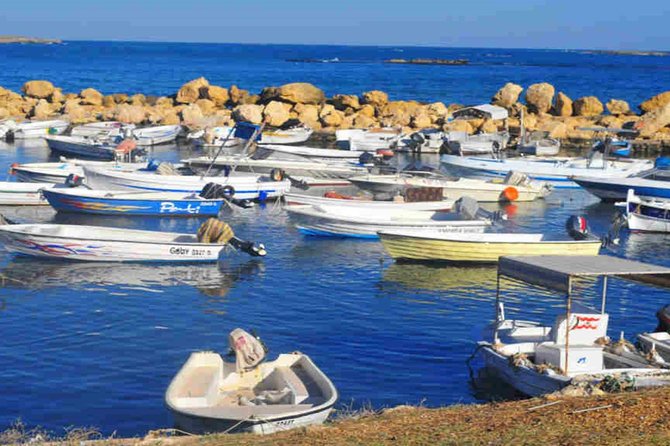
The Phoenician sea wall is the focus. It began as petrified sand dunes, then was strengthened with rocks by the Phoenicians. The wall took its present form in the first century BC and was later used as a quarry during Roman times.
The surviving section is about 225 meters long and 1 to 1.5 meters thick. Some parts have crumbled, but the remaining stones still protect the old city from sea storms. It is a simple sight, yet it explains Batroun better than a hurried list of churches and beaches would.
Keep your expectations in check here. If you want time for a long coastal walk, beach visit, nightlife, or extended café stop, this itinerary is too short. If you want to pair a concentrated Tripoli visit with one memorable Batroun landmark, the split works well.
What the $65 price really buys you
The $65 per-person price is fair for the services included. You receive hotel pickup and drop-off in Beirut, an air-conditioned vehicle, a professional guide, small-group transportation, and lunch. The tour also removes the need to plan a northbound route through several separate sites.
The strongest value is convenience. Self-driving is specifically discouraged by the tour description, and the route involves two cities plus many stops in Tripoli. A private car or driver could cost much more, while public transport would not offer the same direct access or guided walking route.
There are limits. The Citadel ticket is not included, and the schedule is busy. Most Tripoli stops are short, so you are buying a broad introduction rather than slow, detailed study. The tour is best for a first look at northern Lebanon, not for someone who already knows Tripoli and wants hours in one market or monument.
The activity is generally suitable for most people, and confirmation is issued at booking. Free cancellation is available up to 24 hours before the start time. Changes or cancellations made less than 24 hours before departure are not accepted for a refund.
Who should book this day
I would choose this tour if I were based in Beirut and wanted to see northern Lebanon without taking on the driving. It suits first-time visitors, history fans, food-minded sightseers, and anyone who prefers a guide to explain the connections between Phoenician, Crusader, Mamluke, Ottoman, and modern sites.
It also fits solo visitors and couples who want company without joining a huge coach group. The maximum of 15 keeps the social scale manageable, and the named guide Albert has been praised for making people feel welcome and for discussing present-day Lebanon as well as the sights.
I would hesitate if you dislike fixed schedules or want extended free time. The itinerary covers a lot: mosques, a fortress, several khans and hammams, markets, a soap site, an unfinished Niemeyer fairground, sweets, a port, Batroun, and the sea wall. That breadth is useful, but it leaves little room for wandering.
Should you book the Tripoli and Batroun tour?
Book it if you want a practical, well-priced introduction to two northern Lebanese cities and do not want to drive. The combination of hotel transfers, lunch, a small group, and a guide makes the $65 cost easy to justify.
Do not book it expecting a relaxed Batroun day or extended time inside every monument. The tour’s strength is range: you get a strong first impression of Tripoli’s old quarters, then a brief coastal finish in Batroun. For many Beirut-based visitors, that is exactly the balance needed to see more of Lebanon in one day.
FAQ
Where does the tour start?
The tour starts with pickup from your Beirut hotel at about 8:30 am.
How long does the tour last?
The experience lasts approximately eight hours.
What cities does the tour visit?
It visits Tripoli and Batroun in northern Lebanon.
Is hotel pickup and drop-off included?
Yes. Direct pickup and drop-off at your Beirut hotel are included.
How many people can join the tour?
The maximum group size is 15 people.
Is lunch included?
Yes. An authentic Lebanese restaurant lunch is included in the tour price.
Is transportation provided?
Yes. The tour uses a comfortable, air-conditioned vehicle.
Is the Citadel entrance fee included?
No. Admission to the Citadel of Saint Gilles is not included.
Can I cancel for a full refund?
Yes, if you cancel at least 24 hours before the experience begins. Cancellations made less than 24 hours before the start time are not refunded.
Just added in Beirut
- Wine Tasting Tour★ 5.0 · 2 reviews
- Lebanon’s Treasures: Jeita Grotto and Harissa Private Tour★ 5.0 · 2 reviews
- Lebanon tours vip jeitta byblos beirut we charge per vechile not per person.★ 5.0 · 1 review
- Small Group Tour to Baalbek, Anjar & Ksara with Hotel pickup★ 5.0 · 2 reviews
- Journey Through Time: A Private Tour of Tripoli and Byblos★ 5.0 · 1 review
- Guided Small-Group Tour to Baalbek, Cedars & Qozhaya with Lunch★ 5.0 · 2 reviews
- Small-Group Tour with Lunch to Sidon, Tyre & Maghdouche★ 5.0 · 2 reviews
- Small-Group Tour Qadisha Valley, Becharre and Cedars with Lunch and Tickets★ 5.0 · 1 review
Tripoli and Batroun Tours

PRIVATE city Tour of authentic Tripoli and vibrant Batroun
Read our review →
Full day Tripoli private great guide/all-in + rustic meal
Read our review →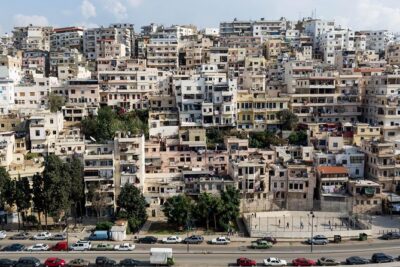
Private Full-Day Tour to Byblos and Tripoli from Beirut
Read our review →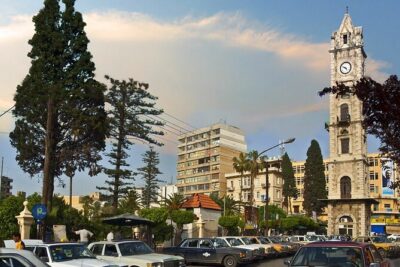
Guided Full-Day Private Trip to Tripoli from Beirut
Read our review →