REVIEW · BAALBEK ANJAR AND KSARA DAY TRIPS
Small Group Tour to Baalbek, Anjar & Ksara with Hotel pickup
Ancient stones, modern wine, one long day. This Beirut excursion links three very different sides of Lebanon: the colossal Roman temples of Baalbek, the compact Umayyad city of Anjar, and Château Ksara in the Bekaa Valley. I especially like the small maximum group of 15 and the fact that hotel pickup and drop-off are included. The air-conditioned vehicle also matters, since the route covers a lot of ground.
The strongest human touch is the service. Driver Kasem is described as fluent in English and able to keep the day moving even in rainy weather, while the local Baalbek guide is praised for a passionate, professional explanation of the site. The main drawback is that lunch and entrance fees are extra, and the fixed schedule gives you only about an hour and a half at the main Baalbek complex.
In This Review
- Key points to know before booking
- Why this route works from Beirut
- Baalbek’s colossal Roman sanctuary
- The Stone of the Pregnant Woman in 15 minutes
- Anjar’s Umayyad streets and palace ruins
- Château Ksara and Lebanon’s wine tradition
- What the $10 price really covers
- The guide and driver can shape the day
- Who should book this day trip?
- Practical advice before you go
- Should you book the Baalbek, Anjar, and Ksara tour?
- FAQ
- Where does the tour begin?
- How long does the tour last?
- What sites are included?
- Is hotel transportation included?
- Are entrance fees included?
- Is lunch included?
- How large is the group?
Key points to know before booking
- Baalbek is the main event: You see the Temple of Jupiter, Temple of Bacchus, and the wider Roman sanctuary at one of Lebanon’s most important archaeological sites.
- Anjar adds a different era: Its Umayyad palace, mosque, baths, and orderly ruins provide a useful contrast to Baalbek’s Roman grandeur.
- The Stone of the Pregnant Woman is a quick but memorable stop: This huge Roman building block shows the sheer scale of Baalbek’s construction.
- Château Ksara finishes the day gently: The one-hour winery visit includes wine tasting, though the tasting fee is not included.
- The $10 price is unusually low for a full day: Hotel transport and a tour leader are included, but you need to budget separately for admissions, wine tasting, and lunch.
- The outing suits history-focused visitors: It is less suitable if you want a slow day with long meals or extended time at each site.
Why this route works from Beirut
The trip makes sense because Baalbek, Anjar, and Château Ksara all sit in or near the Bekaa Valley, east of Beirut. Rather than arranging separate taxis, drivers, or day trips, you cover the major sights in one organized outing that begins at 8:30 a.m. and lasts about eight hours.
I like the way the route changes mood as the day goes on. Baalbek gives you monumental Roman architecture, Anjar takes you into the early Islamic period, and Ksara shifts the focus to Lebanon’s long wine-making tradition. You are not seeing three versions of the same attraction.
The transport is described as comfortable and air-conditioned, with hotel pickup and drop-off included. That is a practical advantage in Lebanon, where arranging transport between several sites can otherwise take time and careful planning. A small group also makes it easier to hear the tour leader than on a large coach outing.
Still, this is a packed schedule. The listed sightseeing time adds up to roughly five hours, leaving the rest for driving, transitions, and the winery visit. If you prefer to linger over every inscription or take long photographs, you may find the pace brisk.
More Baalbek and Bekaa day trips:
- Guided Small-Group Tour to Baalbek, Anjar and Ksara with Lunch
★ 5.0 · 511 reviews - Anjar, Baalbek & Ksara Day Trip – With Lunch (4G on Board)
★ 4.5 · 181 reviews - Baalbek – Anjar – Ksara Trip From Beirut
★ 4.5 · 80 reviews
Baalbek’s colossal Roman sanctuary
Baalbek deserves the longest part of your attention. The city was known as Heliopolis during the Hellenistic period and later became a major Roman religious center. The sanctuary drew pilgrims to a Phoenician-based cult that the Romans connected with Jupiter, Venus, and Bacchus.
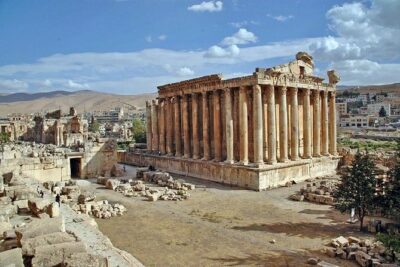
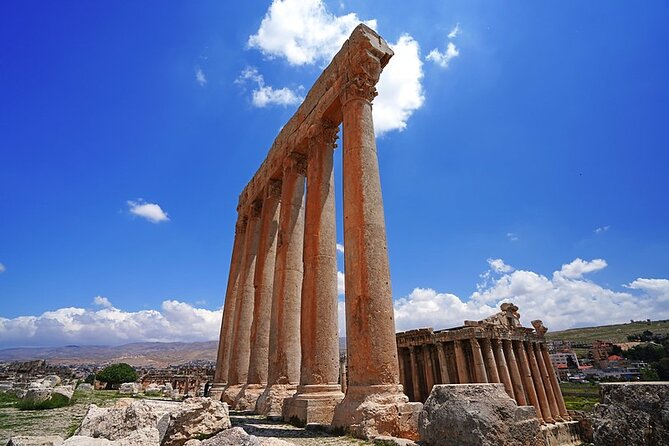
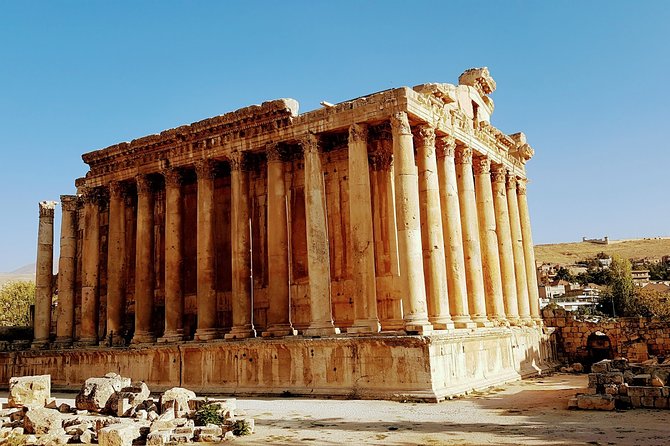
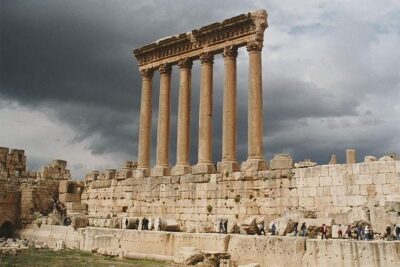
The site is best known for the Temple of Jupiter and the Temple of Bacchus. Their scale is the first thing that hits you. These are not delicate ruins tucked into a small archaeological park. They are huge remains of a sanctuary built over more than two centuries, with massive columns, platforms, courtyards, and carved stone.
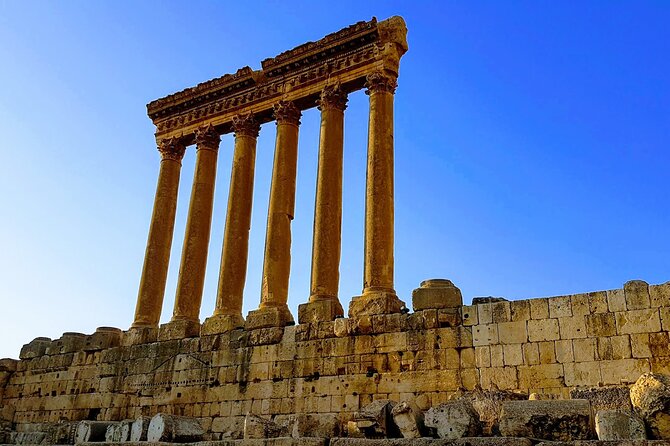
The Temple of Bacchus is especially important because it remains remarkably substantial. Its name links it to the Romanized version of the local religious tradition, although the exact ancient worship at the site was more complex than a simple Roman import. The Temple of Jupiter was even larger, and its surviving columns help you picture the ambition of the original complex.
You are given about 90 minutes at Baalbek, plus another 90 minutes listed for the temples. The descriptions suggest that Baalbek and the temple complex are treated as the core of the visit, so your actual time may be divided between general orientation and close inspection of the ruins.
A local guide is included for the explanations, and that can make a major difference here. Without context, Baalbek can become a parade of enormous stones. With a good explanation, you can understand how the sanctuary developed, why the site mattered, and how Phoenician beliefs were expressed through Roman architecture.
One especially useful detail is Baalbek’s setting at about 1,150 meters, near the southwestern slope of the Anti-Lebanon range and beside the Bekaa Valley. The altitude and open setting help explain why the complex feels so grand. You can read the site as architecture, religion, engineering, and political power all at once.
Admission to Baalbek is listed separately from the tour price. Do not assume the $10 covers every ticket. The transport and tour leader are included, but the admission arrangement should be confirmed when booking or with the operator before departure.
The Stone of the Pregnant Woman in 15 minutes
The Stone of the Pregnant Woman is a short stop, but it earns its place on the route. It is a worked Roman monolith, one of the largest ancient stones ever quarried, and another huge block lies nearby.
The stone was probably intended for the Roman temple complex. Its presence gives you a useful engineering lesson: Baalbek was not only decorated with large columns and carvings. Its builders also planned, cut, and moved blocks of astonishing size.
You have only 15 minutes here, so think of it as a focused photo and explanation stop rather than a second archaeological visit. It is close enough in theme to Baalbek that the guide can connect the two sites, showing how the temple complex depended on monumental stonework from the very beginning.
The stop is listed with no separate admission charge. That keeps it simple, but the short timing means you should be ready to get out, look carefully, and return to the vehicle without delay.
Anjar’s Umayyad streets and palace ruins
Anjar changes the historical setting completely. The site preserves an Umayyad city founded as an inland commercial center at the meeting point of important routes. One route ran from Beirut toward Damascus, while another crossed the Bekaa toward Homs and Tiberiade.
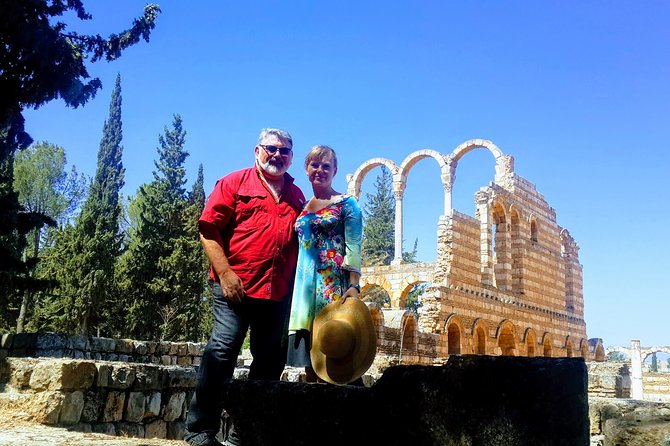
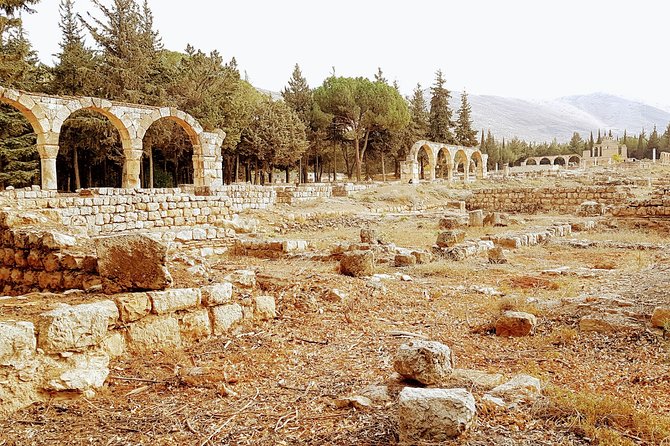
Only in the late 1940s did archaeologists uncover the ancient city. Today, the remains include palace walls, harems, a mosque, the caliph’s great palace, thermal baths, and numerous columns. Some architectural elements show Roman influence, which gives you another link to the earlier part of the day without making Anjar feel like a repeat of Baalbek.
I find Anjar valuable because it shows a different kind of ancient place. Baalbek was a major sanctuary built to impress pilgrims and honor deities. Anjar was an urban and commercial center, with civic, residential, religious, and bathing structures arranged within a city plan.
The visit lasts about 45 minutes. That is enough for a guided overview and a look at the main remains, but not enough for a slow archaeological study. The admission fee is not included, so again, the advertised price is only part of your total outlay.
The site also benefits from the guide’s brief explanations. A simple list of buildings can blur together, especially late in a full day. I would pay close attention to how the guide explains the city’s position on trade routes, since that is the key to understanding why Anjar was built here.
A completely different kind of day out:
- Guided Small-Group Tour to Jeita, Harissa, Byblos with Lunch
★ 5.0 · 361 reviews - Paragliding Trip Over Lebanon – Jounieh Bay
★ 5.0 · 257 reviews - Jeita Grotto,Harissa&Byblos Full-Day PRIVATE-CAR Trip from Beirut
★ 5.0 · 222 reviews - First Paragliding Club in Lebanon – Since 1992
★ 5.0 · 193 reviews
Château Ksara and Lebanon’s wine tradition
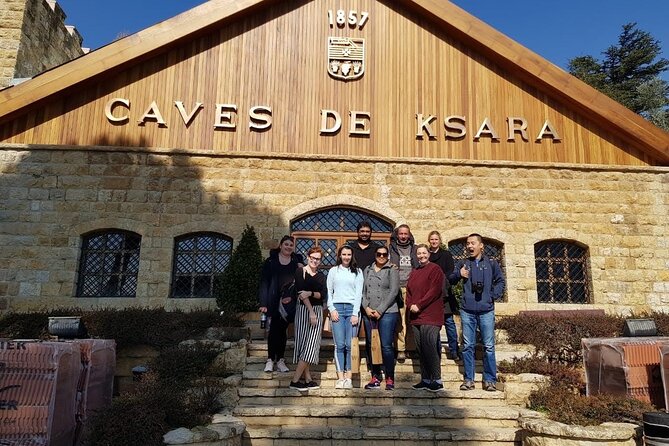
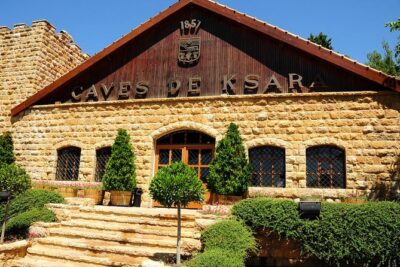
The final stop is Château Ksara, a winery in the Bekaa Valley founded in 1857 by Jesuit priests. The winery developed Lebanon’s first dry wine and now produces about three million bottles each year, with exports reaching more than 40 countries.
You have about an hour at the estate. The visit provides a welcome change after several hours of stone ruins and historical explanation. The wine tasting is not included in the tour price, so ask about the cost before participating.
Ksara is more than a quick drink at the end of a sightseeing day. Its history connects religious communities, agriculture, and Lebanon’s modern wine industry. The production figures also help put the winery in perspective: this is an established producer with a large international reach, not simply a small tasting room.
The timing is sensible. An hour gives you enough space for an introduction and tasting without turning the excursion into a full winery day. If wine is your main interest, however, you may want a dedicated winery experience with more time for cellar visits and detailed tasting. This tour gives you a useful sample, not an exhaustive wine course.
Because lunch is not included, Ksara may also be the point at which you notice the schedule most clearly. Check how the day handles meals, since the supplied details do not name a restaurant or provide a lunch stop.
What the $10 price really covers
At $10 per person, this tour offers striking value if the advertised transport and hotel service operate as described. You receive an air-conditioned vehicle, a tour leader, hotel pickup and drop-off, small-group transport, and brief explanations at each location.
The low price does not mean the entire day is prepaid. You need to account for:
- Baalbek entrance fees
- Anjar entrance fees
- Château Ksara admission or wine tasting
- Lunch
- Any personal purchases
That distinction matters. A cheap starting price can look less cheap once admissions and food are added, but the included vehicle and hotel transfer still remove some of the largest practical costs of independent touring.
The value is strongest for a first visit to Lebanon when you want to reach several major sites without arranging a car. It is less compelling for someone already traveling with a private vehicle or someone who wants long, unhurried visits at each stop.
The guide and driver can shape the day
The available feedback gives special attention to two people. Kasem, the driver, is described as fluent in English and able to handle the route smoothly despite rain during one outing. That is useful information because clear communication and steady timing matter on a full-day trip with several stops.
The local Baalbek guide is also praised for being passionate and professional. That is exactly where a guide earns the fee. Baalbek’s stones are impressive on their own, but the site makes more sense when someone explains the Heliopolitan triad, the older Phoenician roots, the Roman rebuilding, and the role of pilgrimage.
The tour includes a leader and brief explanations at each site, but the details do not promise a specialist guide at every location. You should expect the most detailed interpretation at Baalbek, with shorter introductions at the Stone of the Pregnant Woman, Anjar, and Ksara.
Who should book this day trip?
I would choose this tour if you are staying in Beirut and want to see Lebanon’s best-known inland monuments in one day. It is a good match for:
- First-time visitors with limited time
- History and archaeology fans
- People who do not want to arrange intercity transport
- Visitors who prefer a small group to a large bus
- Wine enthusiasts who also want major cultural sites
- Anyone seeking a very low-cost organized excursion
You should think twice if you need extensive free time, a long lunch, or a slow photography schedule. The main sites are important enough that some people would prefer to spend a full day at Baalbek alone, then visit Anjar and Ksara separately.
The route also involves several hours on the road, although the exact driving times are not provided. An air-conditioned vehicle helps, but this remains a full outing beginning in the morning and ending after roughly eight hours.
Most people can participate, according to the tour information. The group limit is 15, which keeps the format more personal than a large coach, though it is still a shared excursion rather than a private tour.
Practical advice before you go
Start by confirming the hotel pickup details and the full meeting arrangement for the 8:30 a.m. departure. Hotel pickup is offered, but the exact pickup time can depend on where you stay.
Bring money for entrance tickets, lunch, and the tasting at Ksara. Since none of those costs are included, knowing your likely total before leaving will help you judge the real value.
Wear practical footwear for uneven archaeological ground. The supplied information does not give specific accessibility details, so if mobility is a concern, ask the operator directly before booking.
Allow room for changing weather. One reported outing ran well despite morning rain, but weather can affect how comfortable you feel outdoors at Baalbek and Anjar. The air-conditioned vehicle offers a useful break between stops.
Finally, note the cancellation rule. This booking is non-refundable and cannot be changed for any reason, so choose your date carefully before paying.
Should you book the Baalbek, Anjar, and Ksara tour?
Yes, if you want a low-cost, organized introduction to Lebanon’s Bekaa Valley and you value transport more than a leisurely pace. Baalbek is the clear highlight, Anjar adds real historical range, and Château Ksara gives the day a pleasant modern finish.
I would book it for the $10 starting price, hotel transfers, small group size, and strong praise for Kasem and the Baalbek guide. I would not book it expecting lunch, entrance tickets, or a private guide to be included. Add those costs, accept the compact schedule, and this is a smart way to reach three important sites from Beirut in one day.
FAQ
Where does the tour begin?
The tour begins in Beirut, with a listed start time of 8:30 a.m. Hotel pickup is offered.
How long does the tour last?
The excursion lasts approximately eight hours.
What sites are included?
The route includes Baalbek and its Roman temples, the Stone of the Pregnant Woman, the Umayyad Ruins of Anjar, and Château Ksara winery.
Is hotel transportation included?
Yes. Hotel pickup and drop-off are included, along with an air-conditioned vehicle and comfortable transportation.
Are entrance fees included?
No. Admission fees for the sites and Château Ksara are not included in the tour price.
Is lunch included?
No. Lunch is not included.
How large is the group?
The tour has a maximum of 15 participants.
Just added in Beirut
- Wine Tasting Tour★ 5.0 · 2 reviews
- Lebanon tours vip jeitta byblos beirut we charge per vechile not per person.★ 5.0 · 1 review
- Lebanon’s Treasures: Jeita Grotto and Harissa Private Tour★ 5.0 · 2 reviews
- Journey Through Time: A Private Tour of Tripoli and Byblos★ 5.0 · 1 review
- Small-Group Tour with Lunch to Sidon, Tyre & Maghdouche★ 5.0 · 2 reviews
- Guided Small-Group Tour to Baalbek, Cedars & Qozhaya with Lunch★ 5.0 · 2 reviews
- Small-Group Tour Qadisha Valley, Becharre and Cedars with Lunch and Tickets★ 5.0 · 1 review
- Small Group Tours from to Baalbek, Cedars and Qozhaya with lunch and all fees★ 5.0 · 1 review
Baalbek Anjar and Ksara Day Trips
Anjar, Baalbek & Ksara Day Trip – With Lunch (4G on Board)
Read our review →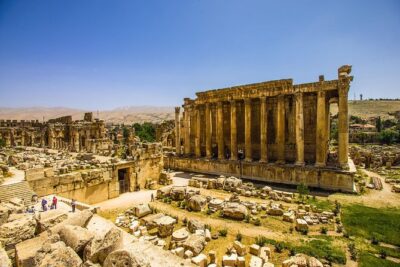
Private Anjar and Baalbek Tour from Beirut with Departure Ticket
Read our review →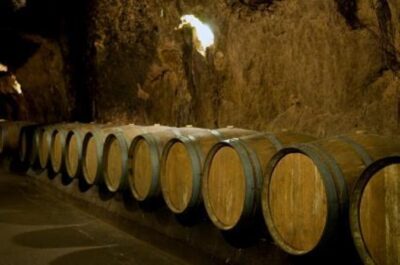
Guided Private Full Day Tour to Baalbek, Anjar and Chateau Ksara
Read our review →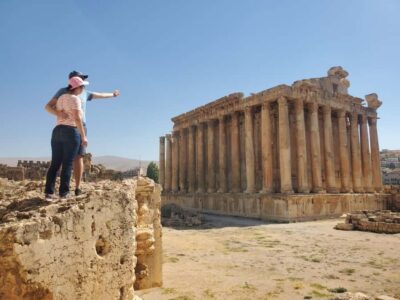
Baalbek Temples & Ksara Caves w/pick-up,guide, entries+lunch
Read our review →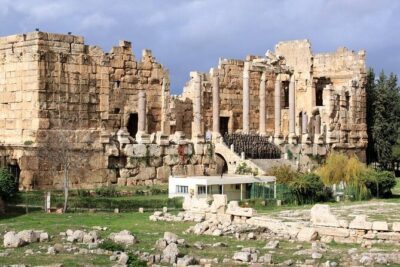
Small Group Tours to Baalbek, Anjar & Chateau Ksara with lunch and Tickets
Read our review →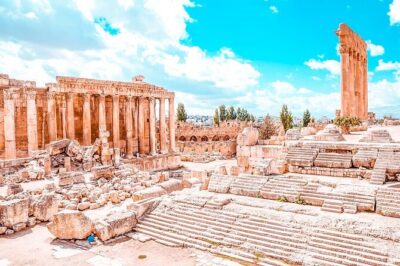
Private Tour: Anjar, Baalbek and Ksara Day Trip from Beirut
Read our review →