REVIEW · BAALBEK ANJAR AND KSARA DAY TRIPS
Small Group Tours to Baalbek, Anjar & Chateau Ksara with lunch and Tickets
Ancient stones and Lebanese wine make a fine day out. This 9-hour trip from Beirut packs three major sights into one well-planned route: the Roman temples of Baalbek, the Umayyad ruins at Anjar, and Château Ksara in the Bekaa Valley. You travel in a climate-controlled minivan, with hotel pickup and drop-off, a local Lebanese lunch, and a group limited to 15 people.
I especially like the small-group format, since you have a better chance to ask questions and hear useful explanations than on a large coach. I also like the balance between archaeology and food: Baalbek and Anjar give the day its historical weight, while Ksara adds wine, caves, and a more relaxed final stop.
The main consideration is the long day. You leave at about 8:00 a.m. and spend much of the day on the road or walking around exposed ruins. Château Ksara’s admission is not listed as included, so confirm exactly what is covered there before booking.
In This Review
- Key points to know before you book
- Why this three-stop route works from Beirut
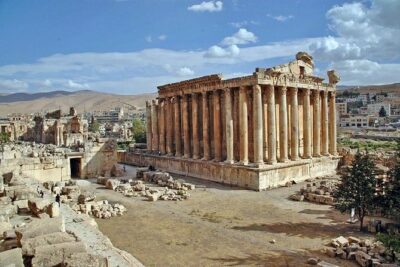
- Baalbek: a Roman sanctuary built on a colossal scale
- The Mosque of Sayeda Khawla and a short sacred pause
- The Stone of the Pregnant Woman: fifteen minutes with a giant block
- Anjar: an Umayyad city at a crossroads
- Château Ksara: Lebanese wine after a morning of ruins
- Lebanese lunch is more than a quick fuel stop
- Transport, timing, and the practical side of the day
- Is $75 a fair price?
- Who should book this Lebanon day trip?
- Final verdict: a strong choice for a first visit
- FAQ
- Where does the tour start?
- How long does the experience last?
- What sites are included?
- Is lunch included?
- Are hotel transfers included?
- What type of vehicle is used?
- How large is the group?
- Are entrance tickets included?
- Is wine tasting included?
- Can I cancel for a full refund?
Key points to know before you book
- Baalbek is the main event: Allow about 90 minutes for one of the Roman world’s grandest temple complexes, including the sanctuaries of Jupiter, Venus, and Bacchus.
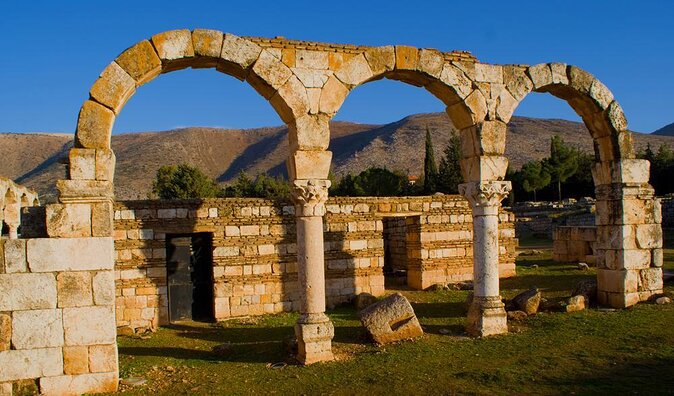
- Anjar offers a different period: Its 45-minute visit focuses on an Umayyad city with palace walls, a mosque, baths, arcades, and Roman-style columns.
- The Stone of the Pregnant Woman adds scale: This short stop gives you a close look at one of the largest ancient quarried stones known.
- Château Ksara brings wine into the day: The winery was founded by Jesuit priests in 1857 and includes a look at how Lebanese wine is produced and stored.
- Lunch is part of the deal: A local Lebanese restaurant meal is included, which helps the $75 price feel more reasonable.
- Named staff receive strong praise: Natasha, an archaeologist, is noted for her detailed explanations, while Khalil handles on-site guiding and Ziad takes good care of the driving and lunch arrangements.
Why this three-stop route works from Beirut
Lebanon is compact on a map, but the drive from Beirut into the Bekaa Valley turns this into a proper full-day outing. You get out of the capital and see a different side of the country, one shaped by ancient trade routes, imperial building projects, agriculture, and wine production.
The route also avoids making the entire day about one kind of sight. Baalbek is monumental and Roman. Anjar is smaller and tied to the Umayyad period. Ksara shifts the mood from carved stone to vineyards, cellars, and tasting glasses.
That variety matters. If you only visited Baalbek, the day could feel heavy with temples and columns. If you only visited Ksara, you would miss one of Lebanon’s most important archaeological sites. This tour gives you a broad introduction without requiring separate transport arrangements.
The group is capped at 15 people. That is not the same as a private tour, but it is a manageable size for a minivan and guided walking. You can ask questions, stay near the guide, and avoid the stop-and-start feeling common on large sightseeing buses.
More Baalbek and Bekaa day trips:
- Guided Small-Group Tour to Baalbek, Anjar and Ksara with Lunch
★ 5.0 · 511 reviews - Anjar, Baalbek & Ksara Day Trip – With Lunch (4G on Board)
★ 4.5 · 181 reviews - Baalbek – Anjar – Ksara Trip From Beirut
★ 4.5 · 80 reviews
Baalbek: a Roman sanctuary built on a colossal scale
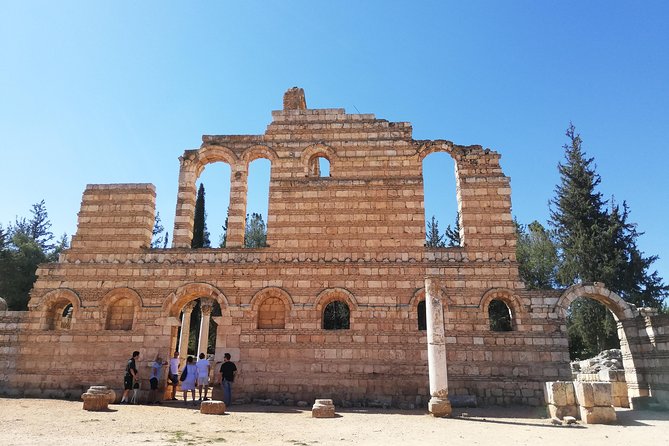
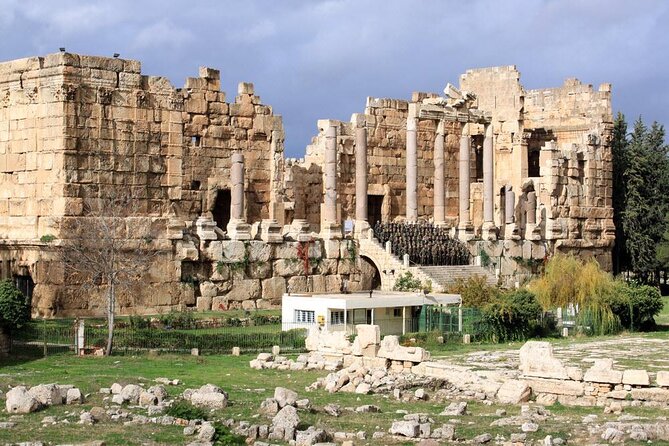
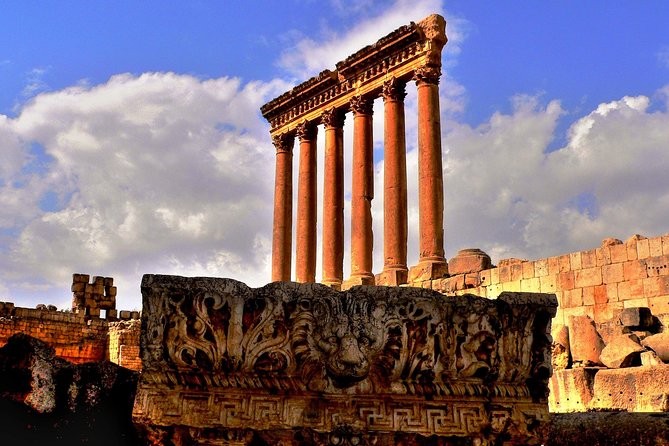
Baalbek deserves the longest stop, and the tour gives it about 1 hour and 30 minutes. The site sits at roughly 1,150 meters, near the southwestern slope of the Anti-Lebanon range and beside the fertile Bekaa plain.
The setting helps explain why this place became important. Baalbek reached its height under Roman rule, when enormous construction projects transformed the sanctuary into one of the ancient world’s great religious centers. The complex was built over more than two centuries, so you are looking at a site shaped by long-term imperial ambition rather than a single building campaign.
The Romanized Heliopolis Triad was worshipped here: Jupiter, Venus, and Bacchus. The cult had older Phoenician roots, which gives the site more depth than the label Roman ruins might suggest. You are not simply seeing imported architecture. You are seeing local religious traditions recast through Roman power and design.
I would pay close attention to the scale of the masonry. The surviving columns, platforms, and temple fragments make the place easier to understand in person than in photographs. Your guide’s explanation is especially valuable here because the ruins can otherwise look like a grand collection of disconnected stones.
Natasha, who is described as an archaeologist, has been praised for bringing extra detail to the visit. If she is leading your group, you can expect the kind of context that helps connect construction methods, religious use, and the site’s place in the Roman world. Khalil has also been singled out for his work as an on-site guide.
The 90-minute visit is useful but not generous. You should listen closely and keep an eye on the meeting time. Baalbek is the part of the tour where you may wish you had another hour, especially if you enjoy ancient architecture or photography.
The Mosque of Sayeda Khawla and a short sacred pause
The itinerary also includes the Mosque of Sayeda Khawla in Baalbek. It was built at the place where Sayyida Khawla, the daughter of Imam al-Hussein and granddaughter of the Prophet Muhammad, is believed to have been buried.
Local belief connects her death to the passage of the captives from Karbala through Baalbek. This adds a living religious dimension to a city often presented mainly through its Roman remains.
The visit is a useful reminder that Baalbek is not only an archaeological site. It is also a place of continuing faith and local memory. The supplied details do not specify how long you spend at the mosque or the exact visiting arrangements, so you should follow the guide’s instructions and dress respectfully.
The Stone of the Pregnant Woman: fifteen minutes with a giant block
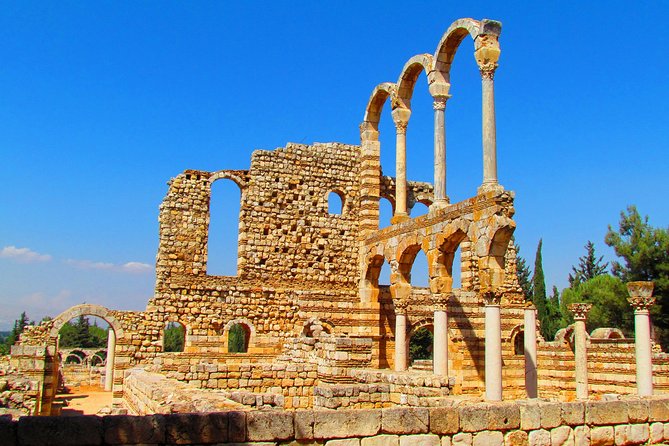
A short stop at the Stone of the Pregnant Woman gives you a striking look at ancient engineering. The worked Roman monolith, along with another large block nearby, is counted among the biggest stones ever quarried.
The name is memorable, but the real point is its size and intended purpose. These blocks were likely meant for the nearby Roman temple complex. Their enormous scale shows the ambition behind Baalbek before you even return to the main sanctuary.
You only have about 15 minutes here. That is enough for photographs and a quick explanation, but not a long exploration. I would treat this as a well-chosen roadside stop rather than a separate major attraction.
A completely different kind of day out:
- Guided Small-Group Tour to Jeita, Harissa, Byblos with Lunch
★ 5.0 · 361 reviews - Paragliding Trip Over Lebanon – Jounieh Bay
★ 5.0 · 257 reviews - Jeita Grotto,Harissa&Byblos Full-Day PRIVATE-CAR Trip from Beirut
★ 5.0 · 222 reviews - First Paragliding Club in Lebanon – Since 1992
★ 5.0 · 193 reviews
Anjar: an Umayyad city at a crossroads
After Baalbek, the tour moves to the Umayyad ruins of Anjar for about 45 minutes. The site differs sharply from Baalbek, both in period and in character.
Anjar was an inland commercial center positioned where important routes met. One route linked Beirut with Damascus, while another crossed the Bekaa and continued toward Homs and Tiberias. Its location helps explain the city’s planned urban form and commercial importance.
The remains include the walls of the Umayyad palace, harems, a mosque, the caliph’s great palace, thermal baths, and rows of pillars. Some columns and design elements show Roman influence, but the city belongs to the Umayyad period.
Archaeologists only identified the ancient city in the late 1940s. That relatively recent discovery makes Anjar feel different from a famous classical ruin that has been visited and described for centuries. You can see the outline of a once-important city, while also knowing that much of its story has been pieced together through modern archaeological work.
The 45-minute visit is enough for an introduction. It is not enough for a slow, detailed study of every wall and column. Your guide will help you focus on the palace areas, religious buildings, baths, and street plan instead of wandering without a clear sense of what you are seeing.
Anjar also gives the day a welcome change of pace. Baalbek overwhelms you with monumental Roman construction. Anjar asks you to look more closely at urban planning, trade, and the remains of an early medieval city.
Château Ksara: Lebanese wine after a morning of ruins
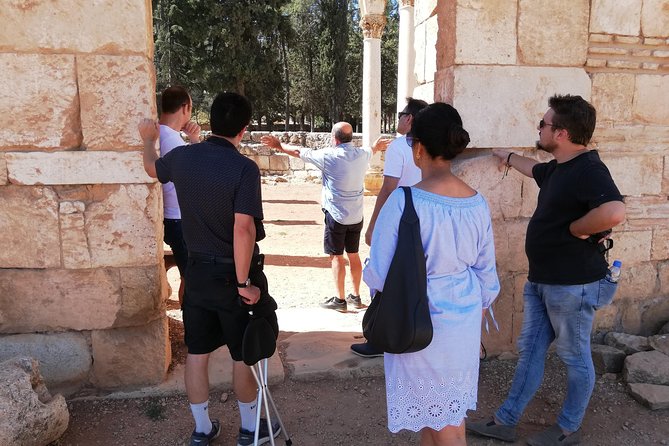
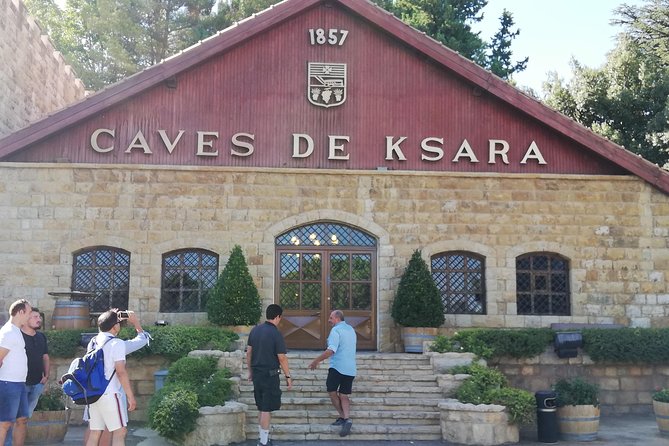
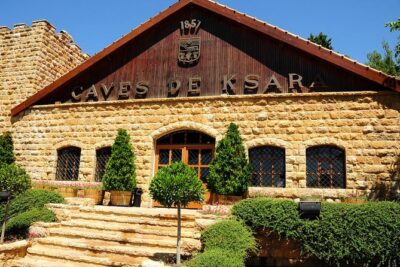
Château Ksara was founded by Jesuit priests in 1857 and developed Lebanon’s first dry wine. The winery now produces about 3 million bottles each year, with distribution and sales in several countries.
The visit lasts about an hour and includes an explanation of wine production, multiple samples, and a look inside the on-site cave. That behind-the-scenes element gives the stop more substance than a simple tasting at a counter. You can see how the winery connects its modern production to a long local winemaking tradition.
After the temples and ruins, Ksara is a sensible final stop. You can sit, taste, and take in a different part of the Bekaa Valley’s identity. The wine tasting is also a chance to ask practical questions about Lebanese grapes, production, and storage, depending on how your guide structures the visit.
There is one important cost detail. Château Ksara’s admission is not listed as included, even though the tour includes the winery visit and wine tasting in its description. The safest approach is to confirm whether any entrance or tasting charge is payable locally. Do not assume the phrase tickets included covers every stop.
If you do not drink wine, the site may feel less essential than Baalbek or Anjar. The tour information does not specify an alternative tasting arrangement, so you may want to ask the operator what non-drinking participation looks like.
Lebanese lunch is more than a quick fuel stop
Lunch at a local Lebanese restaurant is included in the price. That is a real benefit on a nine-hour tour because you do not need to search for food during a tightly scheduled day.
The meal has received particularly warm praise, with descriptions of a generous Lebanese spread and excellent service. Ziad, the driver, was specifically noted for making sure lunch was served properly, which suggests that the meal is treated as part of the experience rather than a rushed stop at an anonymous roadside café.
The exact dishes are not specified, so I would not promise a particular menu. Still, a local restaurant lunch gives the day a stronger connection to Lebanese food than a boxed meal or fast-food break.
It also improves the value of the $75 price. You are paying for transport, hotel transfers, a guide, a tour leader, lunch, and included admission to Baalbek and Anjar. The winery admission detail needs clarification, but the package still brings several separate costs into one booking.
Transport, timing, and the practical side of the day
Hotel pickup and drop-off are included, with an advertised start time of 8:00 a.m. Pickup is especially useful in Beirut because you do not have to reach a separate departure point before sunrise or work out intercity transport to the Bekaa Valley.
The vehicle is an air-conditioned private minivan. That matters during a full day that combines road travel with outdoor walking. A minivan also fits the small-group design better than a large coach, though legroom and seating comfort can vary depending on the vehicle and the number of people booked.
Plan on approximately nine hours from pickup to return. The schedule includes about three hours and 30 minutes of stated sightseeing time, not counting the mosque visit, lunch, driving, and transitions. That tells you something important: this is a broad orientation tour, not a slow archaeological study.
Wear shoes suitable for uneven ancient surfaces and bring protection from the sun. The supplied information does not give a detailed packing list, so these are sensible basics rather than special requirements. You should also keep water with you during the ruin visits.
The activity is described as suitable for most people, but no detailed accessibility information is provided. If you have mobility concerns, ask the operator about walking surfaces, steps, and vehicle access before you reserve.
Is $75 a fair price?
At $75 per person, the tour offers good value if you want to see all three sites in one day from Beirut. Hotel transfers alone can make independent planning more complicated, and separate transport to Baalbek, Anjar, and Ksara may cost more once you add admission, lunch, and local guiding.
The strongest value comes from the combination of transport and interpretation. Baalbek is much easier to appreciate when someone explains the Roman Triad, the Phoenician roots of the cult, and the purpose behind the enormous stonework. At Anjar, a guide can help you read the remains of a planned Umayyad commercial city. At Ksara, the winery visit adds an accessible look at Lebanese wine.
The trade-off is time. You pay for convenience and range, not complete freedom. You will spend less time at each place than you would on a private itinerary. If Baalbek is your main priority, a dedicated Baalbek day could give you more room. If you have limited time in Beirut, this three-stop plan makes much better sense.
The overall rating is 5 out of 5 from 29 ratings, with 100 percent recommending the experience. The most strongly praised points are organization, the guides’ explanations, the comfortable van, the generous lunch, and the wine tasting. Those are exactly the parts that determine whether a long day feels smooth or tiring.
Who should book this Lebanon day trip?
I would recommend it to you if you are based in Beirut, have only a few days in Lebanon, and want one efficient trip into the Bekaa Valley. It suits anyone who likes major archaeological sites but also wants food and wine rather than a full day of ruins.
It is particularly useful for first-time visitors who do not want to arrange regional transport. The small group, hotel pickup, and local guide remove much of the practical work.
You may want another plan if you dislike early starts, long road days, or fixed schedules. Serious archaeology fans may also find the Baalbek visit too short. And if wine is not part of your interest, the final stop may feel less important.
The free cancellation policy allows you to cancel up to 24 hours before the local start time for a full refund. Changes or cancellations inside that window are not accepted, and poor weather may lead to a new date or a full refund.
Final verdict: a strong choice for a first visit
I would book this tour if my goal were to see Baalbek, Anjar, and Château Ksara without spending time arranging cars, guides, meals, and entrance tickets separately. The day is long, but the route is varied and the $75 price is sensible for what is included.
Before paying, I would ask one direct question: exactly what is covered at Château Ksara, since its admission is listed separately from the included tickets. Once that point is clear, this is an appealing, well-rounded day from Beirut, especially for anyone who values good explanations, a proper Lebanese lunch, and a comfortable small-group ride.
FAQ
Where does the tour start?
The tour starts from Beirut, with hotel pickup offered. The advertised start time is 8:00 a.m.
How long does the experience last?
The tour lasts approximately nine hours.
What sites are included?
The route includes the Temples of Baalbek, the Mosque of Sayeda Khawla, the Stone of the Pregnant Woman, the Umayyad ruins of Anjar, and Château Ksara winery.
Is lunch included?
Yes. Lunch at a local Lebanese restaurant is included.
Are hotel transfers included?
Yes. Hotel pickup and drop-off are included.
What type of vehicle is used?
Transportation is provided in an air-conditioned private minivan.
How large is the group?
The tour has a maximum of 15 travelers.
Are entrance tickets included?
Admission to Baalbek and Anjar is listed as included. Château Ksara admission is listed as not included, so confirm the winery charges before booking.
Is wine tasting included?
The tour description includes multiple wine samples at Château Ksara. The winery’s admission charge is listed separately, so ask whether any tasting or entrance fee must be paid locally.
Can I cancel for a full refund?
Yes. You can cancel at least 24 hours before the experience start time for a full refund. Cancellations or changes made less than 24 hours before the start time are not accepted, and poor weather may result in a different date or a full refund.
Just added in Beirut
- Wine Tasting Tour★ 5.0 · 2 reviews
- Lebanon tours vip jeitta byblos beirut we charge per vechile not per person.★ 5.0 · 1 review
- Lebanon’s Treasures: Jeita Grotto and Harissa Private Tour★ 5.0 · 2 reviews
- Journey Through Time: A Private Tour of Tripoli and Byblos★ 5.0 · 1 review
- Small Group Tour to Baalbek, Anjar & Ksara with Hotel pickup★ 5.0 · 2 reviews
- Guided Small-Group Tour to Baalbek, Cedars & Qozhaya with Lunch★ 5.0 · 2 reviews
- Small-Group Tour with Lunch to Sidon, Tyre & Maghdouche★ 5.0 · 2 reviews
- Small-Group Tour Qadisha Valley, Becharre and Cedars with Lunch and Tickets★ 5.0 · 1 review
Baalbek Anjar and Ksara Day Trips
Anjar, Baalbek & Ksara Day Trip – With Lunch (4G on Board)
Read our review →
Private Anjar and Baalbek Tour from Beirut with Departure Ticket
Read our review →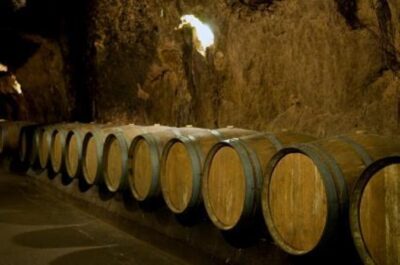
Guided Private Full Day Tour to Baalbek, Anjar and Chateau Ksara
Read our review →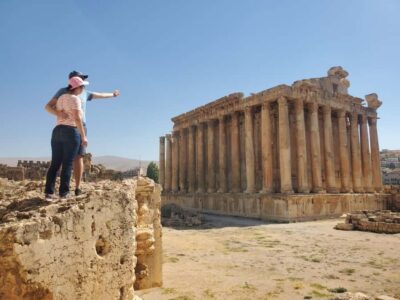
Baalbek Temples & Ksara Caves w/pick-up,guide, entries+lunch
Read our review →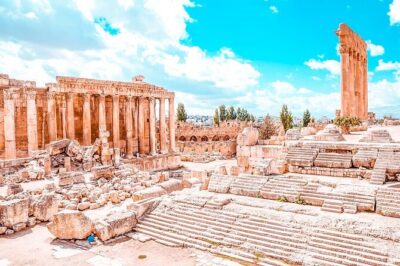
Private Tour: Anjar, Baalbek and Ksara Day Trip from Beirut
Read our review →