REVIEW · SIDON TYRE AND MAGHDOUCHE DAY TRIPS
Lebanon Unveiled: Exclusive Private Tours to Sidon & Tyre
Ancient ports make a fine day out. This private tour links Sidon, Tyre, and Maghdoucheh in one long outing from Beirut, with a driver, air-conditioned vehicle, hotel pickup, and local guiding included. You get the freedom of a private vehicle without having to deal with Lebanese roads yourself.
I like the mix of major archaeological sites and ordinary town life. The Crusaders Sea Castle, Tyre’s Roman hippodrome, Sidon’s souks, and the Soap Museum give the day real variety. I also like that guides such as Hassan, an archaeologist praised for his enthusiasm and clear explanations, can add context that ruins alone cannot provide. The main drawback is the pace: nine hours covers a lot of ground, and lunch plus several entrance fees cost extra.
In This Review
- Key points to know before booking
- Why this Beirut day trip works
- Starting in Sidon, one of Lebanon’s oldest cities
- The Crusaders Sea Castle and its weathered walls
- Khan al-Franj, a courtyard built for trade
- The Soap Museum and Sidon’s old bath traditions
- Getting lost, pleasantly, in Sidon’s souks
- Maghdoucheh and Our Lady of Mantara
- Tyre, from Phoenician sea power to Roman city
- Al-Bass, the archaeological high point
- Tyre’s Old Souk and a taste of daily life
- Transport, timing, and what the $75 includes
- Who should book this experience
- My booking advice
- FAQ
- Where does the tour begin?
- What time does the tour start?
- How long does the tour last?
- Is this a private tour?
- Is transportation included?
- Which destinations are visited?
- Is a guide included?
- Is lunch included?
- Are entrance tickets included?
- Can I cancel for a full refund?
Key points to know before booking
- Sidon combines Crusader ruins, old trade buildings, a working craft tradition, and narrow souks in a compact section of the day.
- Tyre’s Al-Bass site contains a Roman hippodrome, triumphal arch, aqueduct, necropolis, and ancient road, making it the historical high point for many visitors.
- The private vehicle is the real luxury here, with door-to-door transfers from Beirut and no need to organize several separate rides.
- Maghdoucheh adds a religious and local dimension, with the Our Lady of Mantara shrine and its statue of the Virgin and Child.
- The Soap Museum is more than a display case, since you can see how traditional olive oil soap is made and learn about the old bathhouse tradition.
- The $75 price is strong value if you are sharing the vehicle, but remember that lunch and admission to several sites are not included.
Why this Beirut day trip works
This is not a tour built around one headline monument. It is a full southern Lebanon route that moves from Phoenician ports to Crusader remains, Ottoman era trade buildings, traditional soap production, Roman engineering, and a Christian shrine.
That range is the main appeal. You can spend the morning near the sea, walk through a souk, look at excavated ruins, and then finish at a hilltop religious site in Maghdoucheh. The day gives you several ways to understand the region rather than presenting only polished monuments.
The private format matters. Pickup and drop-off are included, and the tour is limited to your own group. You do not need to find a bus, negotiate separate fares, or work out how to connect Sidon with Tyre and Maghdoucheh. For a route that takes about nine hours, that convenience has real value.
The tradeoff is that the schedule is tightly packed. The stated stops add up to several hours, with the remaining time used for driving and transitions. You should expect an overview of each place, not a slow, unplanned day in one city.
More of Sidon and Tyre:
- Small-Group Adventure Tour to Sidon Tyre & Maghdouche-Day Trip
★ 5.0 · 45 reviews - Sidon, Tyre & Maghdouche Day Trip – With Lunch (4G on Board)
★ 4.5 · 44 reviews - Guided Small-Group Tour to Sidon, Tyre & Maghdouche with Lunch
★ 5.0 · 41 reviews
Starting in Sidon, one of Lebanon’s oldest cities
The first major stop is Sidon, also called Saida, an ancient Phoenician city founded in the third millennium BC. Its prosperity grew in the second millennium BC, helped by purple dye and glassware. The city is also associated with a visit by Jesus, adding a biblical layer to its long story.
The general Sidon visit lasts about an hour, followed by separate stops at the Sea Castle, Khan al-Franj, the Soap Museum, and the souks. That structure lets you see both the famous landmarks and the working heart of the city.
Sidon is best approached as a living town rather than an open-air museum. Its old commercial quarters still contain shops, cafés, craft workers, food sellers, and narrow passageways. The city’s appeal comes from the contrast between daily activity and the remains of earlier empires.
The Crusaders Sea Castle and its weathered walls
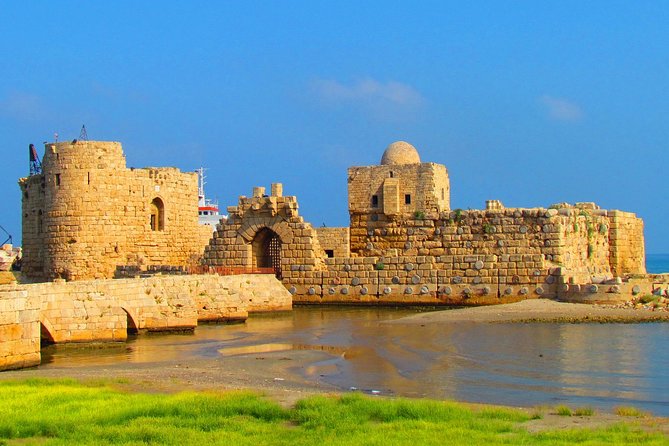
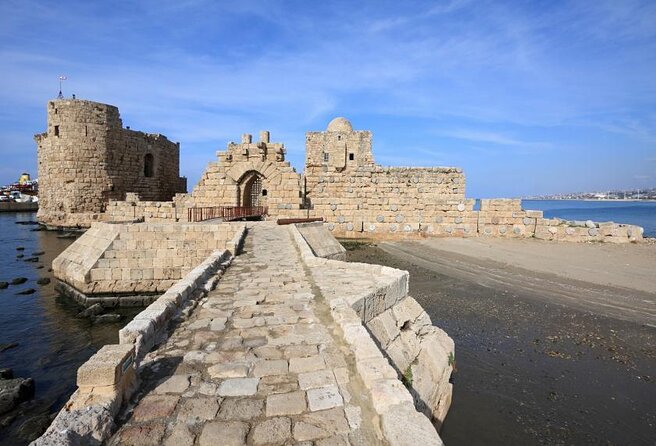
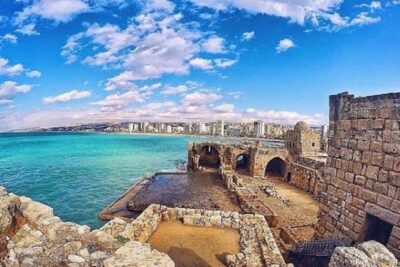
The Sea Castle sits on a small island just off Sidon’s port, linked to shore by a causeway. Crusaders built it in the thirteenth century as a fortress connected with the Holy Land. The Mamluks largely destroyed it in 1291, and Fakhr el-Dine Maan II later restored it in the early seventeenth century.
You get about 30 minutes here, and admission is not included. That is enough time to see the main structure, take in its position over the water, and understand why the castle controlled access to the harbor.
Do not expect a perfectly preserved fortress. Much of the decoration shown in old prints has disappeared, and the remaining stonework is more atmospheric than complete. Still, the setting does much of the work. From the causeway and the castle, you can see how military power, trade, and the sea were tied together.
I would pay close attention to your footing and allow time to look back toward Sidon from the island. The castle is one of those sites where the location explains the monument better than a long wall label can.
Khan al-Franj, a courtyard built for trade
Khan al-Franj is a short 15-minute stop, but it gives you a useful look at Sidon’s commercial past. Emir Fakhreddine II built it at the start of the seventeenth century as a hotel for ambassadors and a center for trade between Lebanon and France.
The building follows the classic khan design: a large rectangular courtyard, central fountain, and covered galleries. It later became a place tied to literature, religion, industry, diplomacy, and public culture.
The visit is brief, so you will not have time for a long architectural study. Even so, the courtyard helps explain how merchants, officials, and visitors once moved through the city. This is a good place to listen closely if your guide connects the building to Sidon’s wider commercial life.
A completely different kind of day out:
- Guided Small-Group Tour to Baalbek, Anjar and Ksara with Lunch
★ 5.0 · 511 reviews - Guided Small-Group Tour to Jeita, Harissa, Byblos with Lunch
★ 5.0 · 361 reviews - Paragliding Trip Over Lebanon – Jounieh Bay
★ 5.0 · 257 reviews - Jeita Grotto,Harissa&Byblos Full-Day PRIVATE-CAR Trip from Beirut
★ 5.0 · 222 reviews
The Soap Museum and Sidon’s old bath traditions
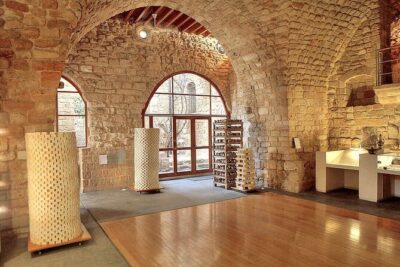
The Soap Museum is one of the more distinctive stops because it links local industry with everyday life. The building began as a soap workshop run by the Hammoud family in the seventeenth century, with parts thought to date to the thirteenth century.
Inside, you can learn how Levantine soap developed and see a demonstration of traditional olive oil soap production. The museum also explains the role of the hammam, or bathhouse, in regional culture.
Admission is not included, and the visit lasts about 30 minutes. That is a sensible amount of time for the demonstration and museum displays. The site also contains objects found during excavation, including clay pipe heads from the seventeenth to nineteenth centuries and pottery fragments.
I like this stop because it avoids the usual parade of palaces and fortresses. Soap was a practical product, yet its making involved buildings, skills, trade, and social customs. The museum gives you a direct connection to those ordinary parts of the past.
Getting lost, pleasantly, in Sidon’s souks
The Sidon souks receive about 30 minutes, with free admission. Their narrow lanes contain small kiosks, cafés, food sellers, butchers, grocers, shoemakers, tailors, and jewelers.
This is your chance to see Sidon as a functioning market rather than a collection of historic buildings. The maze can be more rewarding than a formal monument, especially if you enjoy small details: shop signs, changing smells, old stone passages, and the mix of retail and craft work.
Thirty minutes goes quickly. I would avoid spending too much time browsing at the first few shops unless you are happy to shorten your walk. The point is not to cover every lane. It is to get a feel for the city’s commercial rhythm before returning to the vehicle.
Maghdoucheh and Our Lady of Mantara
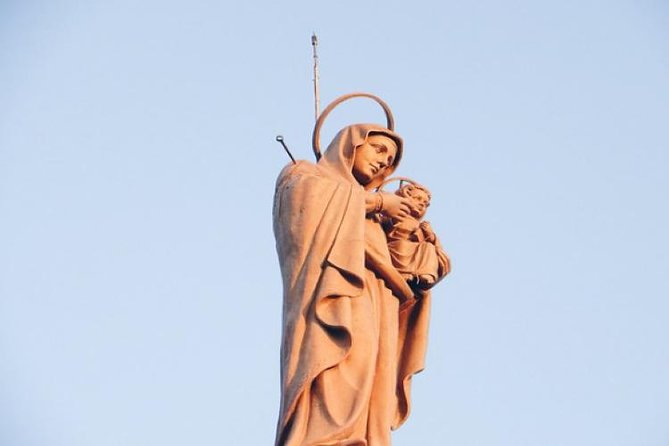
The stop at Maghdoucheh is brief, about 15 minutes, but it changes the mood of the day. The Basilica of Our Lady of Mantara, also called Our Lady of Awaiting, is a Melkite Greek Catholic shrine.
The site includes a tower topped by a statue of the Virgin and Child, a cathedral, a cemetery, and a sacred cave. The cave is believed to be the place where the Virgin Mary rested while waiting for Jesus.
A young shepherd reportedly discovered the shrine on September 8, 1721. That date and story give the site a strong local pilgrimage character. You do not need to share the faith to understand the importance of the place. The short visit offers a look at Lebanon’s Christian traditions and the way sacred sites fit into local geography.
Because the stop is only 15 minutes, treat it as an introduction rather than a full religious visit. If you want extended time for prayer, reflection, or detailed church viewing, this itinerary may feel too fast.
Tyre, from Phoenician sea power to Roman city
Tyre, or Sour, is the second major city on the route. Its foundations date to about 2750 BC, and its history includes Egyptian rule, the reign of King Hiram, and later control by Assyrians, Neo-Babylonians, Greeks, Seleucids, Romans, Byzantines, Arabs, Crusaders, Mamluks, and Ottomans.
Tyre is also linked with Elissar, the Phoenician princess who founded Carthage. Like Sidon, it became famous for purple dye made from murex sea snails. The city’s coastal setting remains part of its character, and it is also known for its beaches, though the tour does not schedule beach time.
The general Tyre visit lasts about an hour, followed by the Al-Bass archaeological site, the Old Souk’s Heritage Square, and time with a local guide. A guide is particularly useful here because the remains are spread across large areas and belong to different periods.
Al-Bass, the archaeological high point
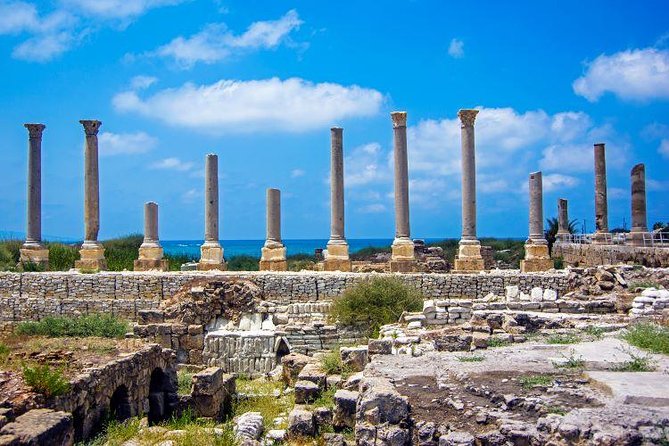
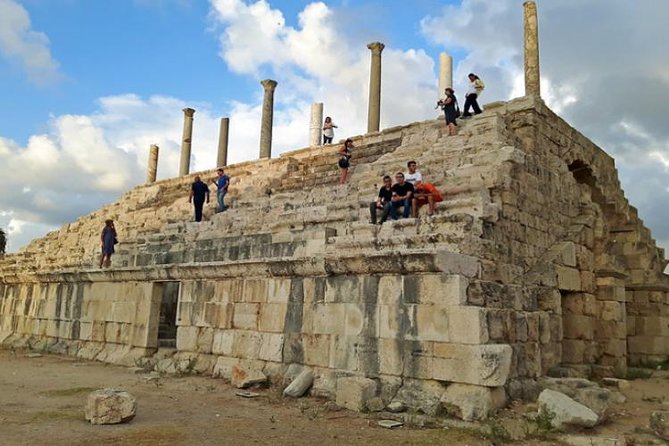
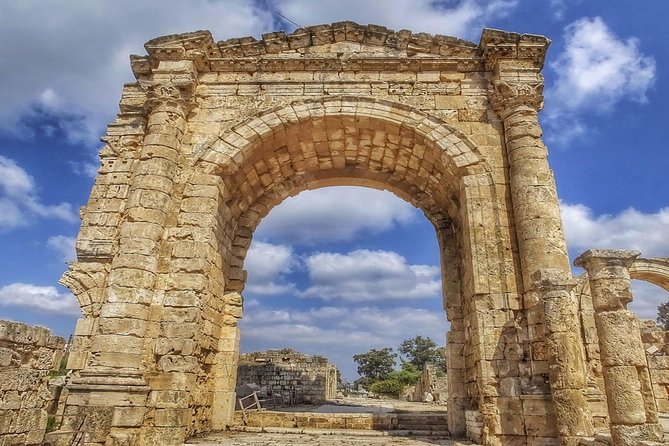
Al-Bass is the largest and best-preserved Roman hippodrome in the area. The site also contains a necropolis, a monumental causeway, a second-century triumphal arch, an aqueduct, an intact Roman road, and hundreds of well-preserved sarcophagi.
Admission is not included, and the planned visit lasts about an hour. That gives you enough time to see the principal remains, but not to examine every sarcophagus or archaeological feature in detail.
The hippodrome is the main reason to come. Its scale helps you picture the Roman city as a place built for large public events, not merely a settlement of streets and houses. The causeway and arch show how visitors once entered the city, while the aqueduct points to the engineering needed to support urban life.
This is where an informed local guide can make a major difference. Hassan, described as an archaeologist with real enthusiasm for the area, was especially praised for explaining both ancient and recent history. Georgette was also singled out for her friendly manner and interesting explanations. Guide assignments can vary, but you should value the guiding element here. Without context, a large archaeological field can become a blur of stones.
Tyre’s Old Souk and a taste of daily life
The Old Souk’s Heritage Square is a short 15-minute stop. Its shops sell gold, copper, vegetables, fish, meat, clothing, and antiques. Food stalls and small eateries offer sandwiches, foul, and hummus.
This is not a long meal stop, and lunch is not included. Still, the souk gives you a quick look at Tyre beyond the Roman remains. If you want to eat here, tell your guide or driver early enough to see what the day’s timing allows.
The short visit is useful for orientation, but it is also one of the itinerary’s compromises. You may want more time to browse, eat, or watch the market work. The tour favors coverage of several sites, so you should not expect a leisurely afternoon in the souk.
Transport, timing, and what the $75 includes
The tour starts at 9:00 a.m. and lasts about nine hours. Hotel pickup and drop-off, private transportation, an air-conditioned vehicle, and a tour leader are included. A local guide in Tyre is also part of the package.
At $75 per person, the value depends on your group size and what you would otherwise pay for a private car and separate transfers. If two or more people share the vehicle, the price looks attractive for a full day reaching three destinations. You are paying for convenience, route planning, and private transport as much as for sightseeing.
The price does not cover lunch or admission to the Sea Castle, Soap Museum, and Al-Bass Archaeological Site. Those costs are not necessarily large, but you should budget for them. The tour description lists free admission for Sidon, Khan al-Franj, the souks, Maghdoucheh, and the general Tyre stop.
The private setup also means you can focus on your own group. It is not a large coach excursion with strangers, and only your group participates. That makes the long day easier to manage, especially if you prefer asking questions or keeping the pace comfortable.
Who should book this experience
I would choose this tour if I had a Beirut base and wanted to see Lebanon’s southern cities without renting a car. It suits first time visitors who want a broad historical introduction, couples or families who value private transport, and anyone who wants a guide to connect ancient sites with modern town life.
It is also a good match for people who enjoy variety. You get fortifications, trade architecture, soap making, markets, religious heritage, Roman ruins, and coastal cities in one day.
I would hesitate if you prefer slow travel. Sidon’s souks, Tyre’s Old Souk, and the Roman site could all reward extra time, but the schedule keeps moving. The same is true if you need a long lunch or want to spend time at the beach in Tyre.
Free cancellation is available if you cancel at least 24 hours before the start time. Changes or cancellations made later are not accepted for a refund, so keep that deadline in mind when planning.
My booking advice
Book this tour if private transport is your main concern and you want a useful first look at Sidon and Tyre in a single day. The strongest parts are the range of places, the door-to-door service, and the chance to have guides such as Hassan or Georgette explain what you are seeing.
Before booking, confirm the pickup details, ask which guide will accompany your group, and set aside money for lunch and the three paid sites. Go in expecting an overview rather than a slow archaeological study. With that expectation, the $75 price offers a practical way to reach southern Lebanon’s major historic centers without taking on the roads yourself.
FAQ
Where does the tour begin?
The tour begins with pickup in Beirut. Hotel pickup and drop-off are included.
What time does the tour start?
The scheduled start time is 9:00 a.m.
How long does the tour last?
The experience lasts approximately nine hours.
Is this a private tour?
Yes. Only your own group participates in the activity.
Is transportation included?
Yes. Comfortable private transportation in an air-conditioned vehicle is included.
Which destinations are visited?
The route includes Sidon, Maghdoucheh, and Tyre, with several sites visited within each destination.
Is a guide included?
Yes. A tour leader and a local guide in Tyre are included.
Is lunch included?
No. Lunch is not included in the price.
Are entrance tickets included?
Admission is not included for the Crusaders Sea Castle, the Soap Museum, or the Al-Bass Archaeological Site. Admission is listed as free for the other scheduled stops.
Can I cancel for a full refund?
Yes, if you cancel at least 24 hours before the experience start time. Cancellations or changes made less than 24 hours before the start time are not accepted for a refund.
Just added in Beirut
- Wine Tasting Tour★ 5.0 · 2 reviews
- Lebanon tours vip jeitta byblos beirut we charge per vechile not per person.★ 5.0 · 1 review
- Lebanon’s Treasures: Jeita Grotto and Harissa Private Tour★ 5.0 · 2 reviews
- Journey Through Time: A Private Tour of Tripoli and Byblos★ 5.0 · 1 review
- Small Group Tour to Baalbek, Anjar & Ksara with Hotel pickup★ 5.0 · 2 reviews
- Small-Group Tour with Lunch to Sidon, Tyre & Maghdouche★ 5.0 · 2 reviews
- Guided Small-Group Tour to Baalbek, Cedars & Qozhaya with Lunch★ 5.0 · 2 reviews
- Small-Group Tour Qadisha Valley, Becharre and Cedars with Lunch and Tickets★ 5.0 · 1 review
Sidon Tyre and Maghdouche Day Trips
Small-Group Adventure Tour to Sidon Tyre & Maghdouche-Day Trip
Read our review →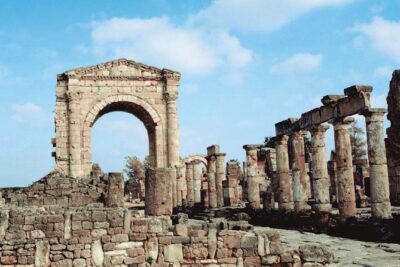
Sidon, Tyre & Maghdouche Day Trip – With Lunch (4G on Board)
Read our review →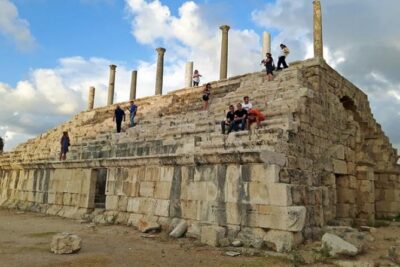
Guided Small-Group Tour to Sidon, Tyre & Maghdouche with Lunch
Read our review →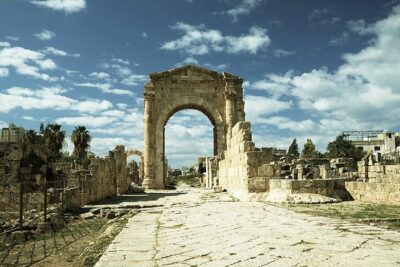
Small Group Tour to Sidon, Tyre & Maghdouche with lunch
Read our review →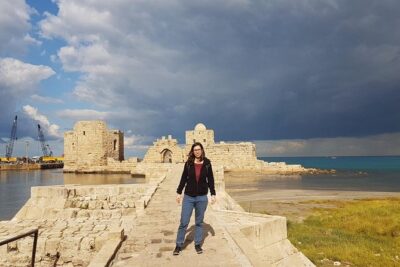
Private Guided Tour to Sidon, Tyre and Maghdouche from Beirut
Read our review →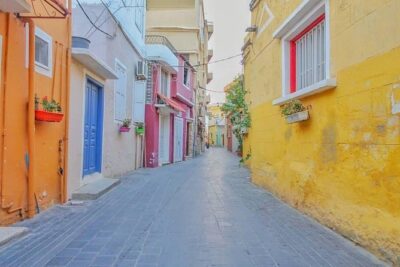
Lebanon tour Sidon & Tyre ruins with pick-up, guide,lunch+entries
Read our review →