REVIEW · SIDON TYRE AND MAGHDOUCHE DAY TRIPS
Guided Small-Group Tour to Sidon, Tyre & Maghdouche with Lunch
Three southern cities, one long day. This $65 small-group tour from Beirut gives you a practical way to reach Sidon, Maghdouche, and Tyre without arranging separate taxis or figuring out Lebanon’s roads yourself. I like the mix of Phoenician, Roman, Crusader, Ottoman, and Christian sights, and I like that lunch, water, hotel transfers, and a guide are included. The main drawback is the pace: nine hours covers a lot of ground, so some stops feel more like a useful introduction than a leisurely visit.
I also appreciate the lack of a forced shopping stop. The Soap Museum is part of the day, but there is no pressure to buy anything. Bring sunscreen, especially if lunch is served outdoors, and keep in mind that some entrance fees are extra.
In This Review
- The best parts of the day at a glance
- Why this southern Lebanon day trip works
- Sidon begins with Phoenician roots and a busy old town
- The Crusaders Sea Castle and its island setting
- Khan al-Franj, a courtyard built for trade
- The Soap Museum and the old craft of olive-oil soap
- Sidon’s souks, with only a short taste
- Maghdouche and the cave of Our Lady of Mantara
- Lunch in Tyre gives the day a needed pause
- Tyre, Phoenician power and Roman scale
- Al-Bass Archaeological Site and the Roman hippodrome
- The guide and driver can shape the whole day
- What $65 really buys you
- Who should book this tour?
- Final verdict: a smart introduction to the south
- FAQ
- How long does the tour last?
- What time does the tour start?
- Does the tour include hotel pickup and drop-off?
- Is lunch included?
- How many people can join the tour?
- Are entrance fees included?
- What places does the tour visit?
- Can I cancel for a full refund?
The best parts of the day at a glance
- A rare three-stop southern Lebanon route: See Sidon, Maghdouche, and Tyre in one day from Beirut.
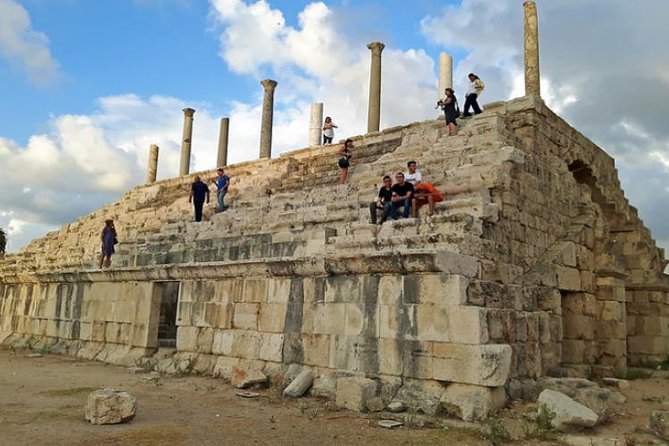
- Tyre’s Roman hippodrome: Walk beside one of the largest and best-preserved Roman hippodromes in the world.
- Sidon’s old trading quarter: Pass through the souks, Khan al-Franj, and a traditional soap factory.
- Maghdouche’s Marian shrine: Visit a sacred cave where Christians believe Mary waited for Jesus.
- Lunch and hotel transfers included: The price covers more than transportation alone.
- Small-group format: The maximum group size is 20, a useful middle ground between a private tour and a large coach.
Why this southern Lebanon day trip works
Southern Lebanon is difficult to appreciate from Beirut by taxi alone. Sidon lies south of the capital, Tyre lies farther along the coast, and Maghdouche sits inland above Sidon. A guided vehicle lets you connect these places in one sweep rather than spending the day negotiating fares, finding parking, or watching the clock for a return ride.
The tour begins around 8:30 a.m. and lasts about nine hours. That is a full day, but the schedule makes sense. Sidon supplies the layered old town and Crusader remains. Maghdouche adds a religious site with a quieter mood. Tyre brings the grand Roman ruins and the remains of one of Phoenicia’s most important ports.
At $65 per person, the value is strong if you want transportation and a broad introduction. You receive hotel pickup and drop-off, an air-conditioned vehicle, a tour leader, a professional guide, lunch, bottled water, and transportation between the sights. You still need to budget for admission to the Sea Castle, Soap Museum, and Al-Bass Archaeological Site, since those fees are not included.
The group can reach 20 people. That is small enough to be more manageable than a full-size coach, but it is not the same as a private visit. If you want long photo stops or a slow walk through every lane, the schedule may feel tight.
More of Sidon and Tyre:
- Small-Group Adventure Tour to Sidon Tyre & Maghdouche-Day Trip
★ 5.0 · 45 reviews - Sidon, Tyre & Maghdouche Day Trip – With Lunch (4G on Board)
★ 4.5 · 44 reviews - Sidon – Tyre – Maghdouche Trip, From Beirut
★ 5.0 · 25 reviews
Sidon begins with Phoenician roots and a busy old town
Sidon is one of the oldest Phoenician cities, with foundations reaching back to the third millennium BC. Its early prosperity came from trade, glassware, and the famous purple dye made from murex sea snails. The city also appears in the New Testament, since Jesus visited the region.
That long timeline is easier to understand once you walk through the old quarter. Sidon has been destroyed and rebuilt more than once, and its streets reflect that history. Phoenician trade, Roman rule, Crusader power, Ottoman commerce, and modern Lebanese life all occupy the same compact city.
The first stop allows about an hour in Sidon, followed by separate visits to the Sea Castle, Khan al-Franj, the Soap Museum, and the souks. The overall effect is less like a single museum visit and more like a guided walk through a working city.
The Crusaders Sea Castle and its island setting
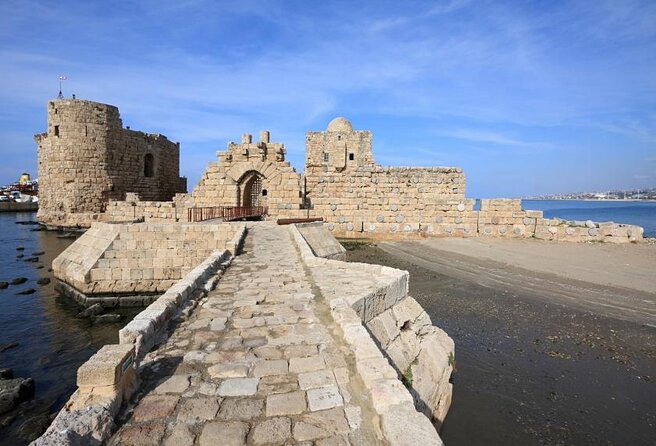
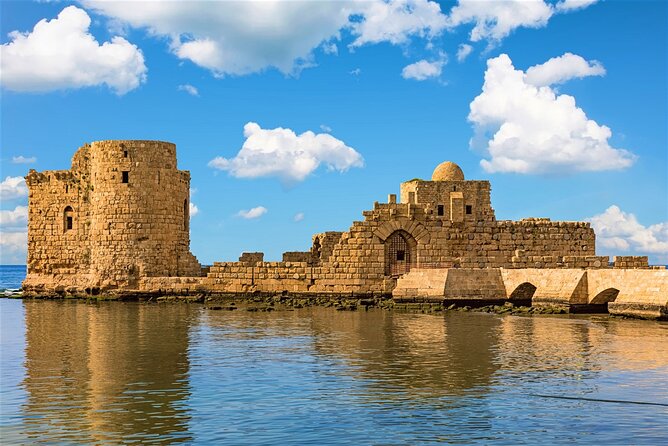
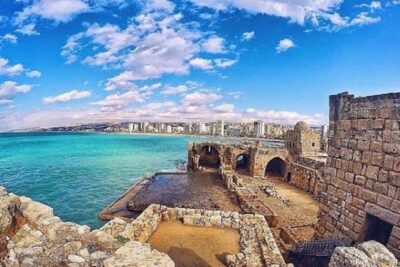
The Sea Castle was built by Crusaders in the thirteenth century on a small island just offshore. A causeway links it to the mainland, making the approach part of the experience. From here, you can look back toward Sidon’s harbor and understand why this position mattered for defense and trade.
The fortress was badly damaged by the Mamluks in 1291 and later restored by Fakhr el-Dine Maan II in the early seventeenth century. Much of the original decoration is gone, so do not expect a complete medieval castle. What remains is atmospheric rather than polished: stone walls, open views, and a clear sense of the site’s exposed position.
The visit lasts about 30 minutes. That is enough to see the main structure and take photographs, but not enough for an extended exploration. Admission is not included, so check the current fee when you book or arrive.
Khan al-Franj, a courtyard built for trade
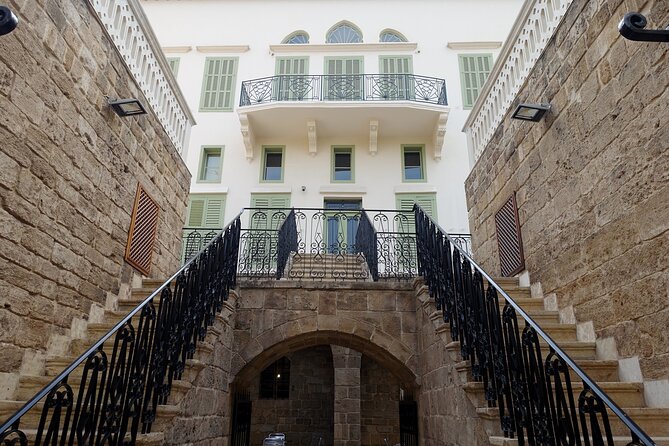
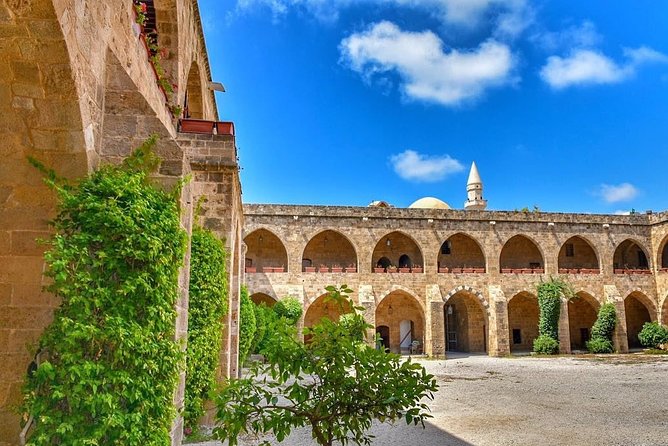
Khan al-Franj was built in the early seventeenth century by Emir Fakhreddine II. It served as a hotel for ambassadors and a commercial center tied to trade between Lebanon and France. In time, it also became a place for literature, religion, industry, history, and diplomacy.
The building follows the familiar khan design: a large rectangular courtyard, a central fountain, and covered galleries around the edges. The 15-minute stop is brief, but the layout helps you picture how merchants and officials once moved through the building.
This is one of those places where a guide adds real value. Without context, you might simply see an attractive old courtyard. With an explanation of its commercial and diplomatic role, the building becomes part of Sidon’s larger story.
A completely different kind of day out:
- Guided Small-Group Tour to Baalbek, Anjar and Ksara with Lunch
★ 5.0 · 511 reviews - Guided Small-Group Tour to Jeita, Harissa, Byblos with Lunch
★ 5.0 · 361 reviews - Paragliding Trip Over Lebanon – Jounieh Bay
★ 5.0 · 257 reviews - Jeita Grotto,Harissa&Byblos Full-Day PRIVATE-CAR Trip from Beirut
★ 5.0 · 222 reviews
The Soap Museum and the old craft of olive-oil soap
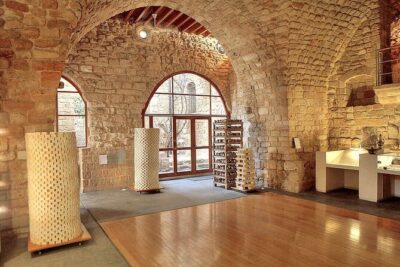
The Soap Museum occupies a former soap factory built by the Hammoud family in the seventeenth century. Parts of the building may date to the thirteenth century. Inside, you learn how Levantine soaps were made and how soap production connected with traditional hammam bathing customs.
A demonstration shows how olive-oil soap is produced. The museum also has archaeological material from the site, including pottery fragments and clay pipe heads dating from the seventeenth to nineteenth centuries.
The stop lasts about 30 minutes, and admission is extra. I consider this a worthwhile pause because it presents a local craft rather than another grand ruin. It is also the closest thing to a commercial stop, but the experience is not built around pressuring you to purchase products.
Sidon’s souks, with only a short taste
Sidon’s souks form a maze of narrow lanes filled with small shops, kiosks, cafés, and craft businesses. Shoemakers, tailors, jewelers, grocers, butchers, and street merchants all contribute to the old market district’s everyday character.
The scheduled time is only 15 minutes. Use it to get your bearings, notice the architecture, and enjoy the feel of the lanes rather than expecting a full shopping session. If the souks are your main reason for visiting Sidon, you will want more time than this tour provides.
Maghdouche and the cave of Our Lady of Mantara
After Sidon, the route turns inland to Maghdouche, home of the Basilica of Our Lady of Mantara. The shrine is also known as Our Lady of Awaiting. According to Christian belief, Mary waited here while Jesus visited nearby Sidon.
The shrine was discovered in 1721 by a young shepherd. Its grounds include a tower topped by a statue of the Virgin and Child, a cathedral, a cemetery, and a sacred cave believed to be the place where Mary rested.
The stop lasts about 15 minutes, so you will not have a long period for reflection or detailed sightseeing. Still, it adds an important religious dimension to the day and breaks up the sequence of forts, markets, and archaeological remains.
You should treat this as a place of worship as well as a historic site. A respectful visit works best. The tower and surrounding setting provide a different view of southern Lebanon than the coastal ruins, while the cave gives the stop its strongest emotional focus.
Lunch in Tyre gives the day a needed pause
Lunch is included, along with bottled water. A meal matters on a nine-hour outing, especially when much of the day is spent walking over exposed archaeological ground. One especially well-regarded meal on this route was a fresh fish lunch at a pleasant restaurant in Tyre.
You should bring sunscreen because outdoor seating may not be fully covered. That practical detail can make a noticeable difference on a sunny day. The food has been praised as fresh, healthy, and authentic, but the exact menu may vary.
The lunch stop also gives you a chance to slow down before the largest archaeological visit of the day. Since the tour covers several cities, this pause is not simply about eating. It helps keep the final part of the schedule comfortable.
Tyre, Phoenician power and Roman scale
Tyre began as a Phoenician port city with foundations dating to about 2750 BC. Its fame came from trade, maritime power, and purple dye made from murex sea snails. The city is also linked with Elissar, the Phoenician princess traditionally credited with founding Carthage.
Tyre later came under Egyptian, Assyrian, Babylonian, Greek, Seleucid, Roman, Byzantine, Arab, Crusader, Mamluk, and Ottoman rule. That list can sound like a history lesson, but the ruins make the succession visible. Different empires built over, beside, and through what came before.
Tyre’s two main archaeological areas are Al-Bass and Al-Mina. This tour focuses on Al-Bass, while the broader Tyre visit lasts about two hours. The town also has a seaside setting and beaches, though the tight schedule means the tour is centered on historical sights rather than beach time.
Al-Bass Archaeological Site and the Roman hippodrome
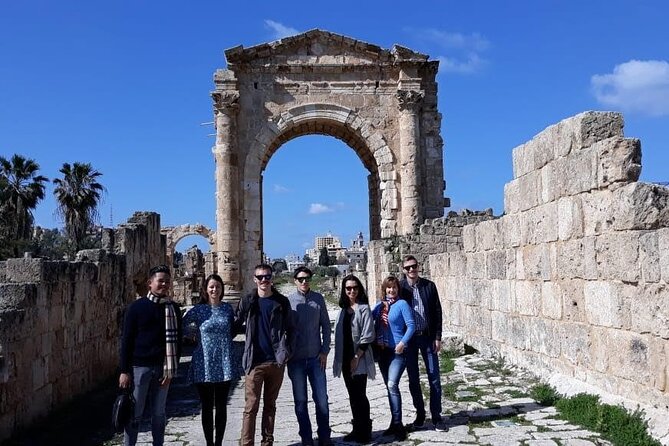
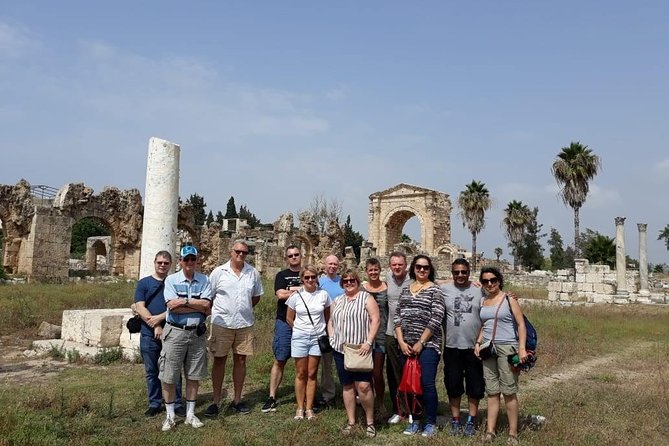
Al-Bass is the most powerful stop on the route. It contains a Roman triumphal arch dating from the second century AD, a broad ancient causeway, a necropolis with hundreds of sarcophagi, an aqueduct, a Roman road, and the remains of a huge hippodrome.
The hippodrome is the star. It is described as one of the largest in the Roman world and one of the best-preserved examples of its kind. Standing beside its long stone seating and open track gives you a clear sense of the crowds and spectacles that once filled the site.
The necropolis adds a quieter counterpoint. Sarcophagi remain along the ancient entrance route, while the arch and road show how visitors once entered the city. The aqueduct reminds you that great cities depended on practical systems as much as monuments.
Allow about an hour at Al-Bass, with another hour devoted to Tyre itself. Admission to the archaeological site is not included. Wear comfortable shoes and expect a fair amount of walking across open ground. The site is large enough that a guide’s explanations help you decide what deserves your attention first.
The guide and driver can shape the whole day
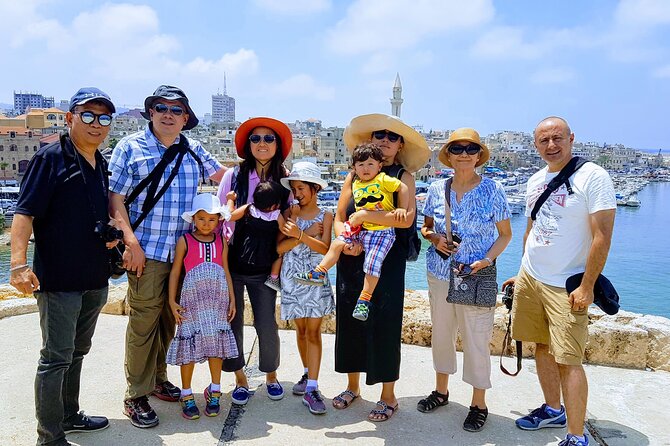
The strongest part of a tightly scheduled tour is often the people running it. The guide needs to explain several civilizations without turning the day into a lecture, while the driver needs to keep the route moving through a long series of stops.
Specific praise has gone to guide Alain and driver Naaser, as well as to guides described as clear, helpful, and well organized. Another guide was praised for understanding the job and allowing enough time to explore the sights. That matters here because the route contains many short visits.
The operator, Lebanon Tours & Travels, has also been praised for clear communication about pickup times and for helping with practical questions before the tour. Hotel pickup and drop-off remove one of the day’s biggest headaches, particularly if you are staying somewhere in Beirut covered by the service.
The tour is recommended by all recorded ratings and carries a five-star average from 41 reviews. That is a strong signal, especially when the praise repeatedly focuses on organization, staff, transportation, lunch, and the quality of the sites. Still, the schedule can change. One account noted that not every place named in the description was visited, including parts of Tyre’s old souk and another stop. Think of the route as a framework, not a guarantee of equal time at every location.
What $65 really buys you
At $65, this is a good-value day if you want a guided overview of southern Lebanon. You receive a vehicle, hotel transfers, a guide, a tour leader, lunch, and water. Those inclusions reduce the separate costs and planning work that would come with arranging the same route independently.
The value is strongest for first-time visitors to Lebanon, people staying in Beirut without a rental car, and anyone who wants historical context along with transportation. It is less ideal for someone who has already studied Sidon or Tyre and wants long, quiet visits at only one or two sites.
Extra admission fees are the main additional cost to remember. The Sea Castle, Soap Museum, and Al-Bass Archaeological Site list separate admission charges. The other stated stops do not list an admission fee.
Free cancellation is available if you cancel at least 24 hours before the start time. Changes or cancellations made within 24 hours are not accepted for a refund.
Who should book this tour?
I would choose this tour if you have one free day in Beirut and want to see beyond the capital without driving. It suits people who enjoy a mix of archaeology, religious sites, old markets, food, and everyday city life.
It is also a good choice if you prefer a planned day with hotel pickup and a maximum group of 20. The route gives you a useful first look at three very different places, and the guides can connect the sites in a way that is hard to manage alone.
I would hesitate if your priority is slow photography, beach time, or extended shopping. The 15-minute souk visit and short stop at Maghdouche are introductions, not full explorations. Likewise, the entire day is long, and some outdoor sites offer limited shade.
Final verdict: a smart introduction to the south
Book this tour if you want the broadest practical look at southern Lebanon in one day. Sidon brings the Crusader castle, khan, soap-making tradition, and souks. Maghdouche offers a meaningful Marian shrine. Tyre supplies the grand Roman remains, especially the Al-Bass hippodrome.
The combination is the reason to go. You are not spending nine hours looking at similar ruins. You are moving through port cities, a religious center, old markets, and Roman monuments, with lunch and transportation already handled.
Just set the right expectations. This is a well-organized overview, not a slow private tour. Wear comfortable shoes, use sunscreen, budget for three admission fees, and accept that the schedule may give some named stops less time than expected. For $65, that is a fair trade for a full day that reaches places many Beirut-based visitors would otherwise miss.
FAQ
How long does the tour last?
The tour lasts approximately nine hours.
What time does the tour start?
The stated start time is 8:30 a.m.
Does the tour include hotel pickup and drop-off?
Yes. Hotel pickup and drop-off in Beirut are included.
Is lunch included?
Yes. Lunch and bottled water are included in the tour price.
How many people can join the tour?
The maximum group size is 20 people.
Are entrance fees included?
Entrance fees are not included for the Crusaders Sea Castle, the Soap Museum, and the Al-Bass Archaeological Site. The other listed stops show no admission fee.
What places does the tour visit?
The route includes Sidon, the Crusaders Sea Castle, Khan al-Franj, the Soap Museum, Sidon’s souks, the Basilica of Our Lady of Mantara in Maghdouche, Tyre, and the Al-Bass Archaeological Site.
Can I cancel for a full refund?
Yes, if you cancel at least 24 hours before the experience start time. Cancellations or changes made less than 24 hours before the start time are not accepted for a refund.
Just added in Beirut
- Wine Tasting Tour★ 5.0 · 2 reviews
- Lebanon tours vip jeitta byblos beirut we charge per vechile not per person.★ 5.0 · 1 review
- Lebanon’s Treasures: Jeita Grotto and Harissa Private Tour★ 5.0 · 2 reviews
- Journey Through Time: A Private Tour of Tripoli and Byblos★ 5.0 · 1 review
- Small Group Tour to Baalbek, Anjar & Ksara with Hotel pickup★ 5.0 · 2 reviews
- Small-Group Tour with Lunch to Sidon, Tyre & Maghdouche★ 5.0 · 2 reviews
- Guided Small-Group Tour to Baalbek, Cedars & Qozhaya with Lunch★ 5.0 · 2 reviews
- Small-Group Tour Qadisha Valley, Becharre and Cedars with Lunch and Tickets★ 5.0 · 1 review
Sidon Tyre and Maghdouche Day Trips
Small-Group Adventure Tour to Sidon Tyre & Maghdouche-Day Trip
Read our review →
Sidon, Tyre & Maghdouche Day Trip – With Lunch (4G on Board)
Read our review →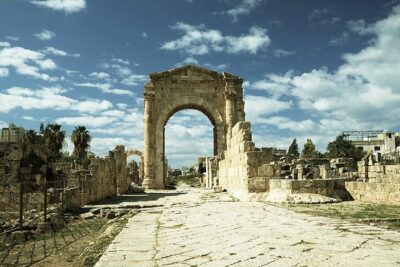
Small Group Tour to Sidon, Tyre & Maghdouche with lunch
Read our review →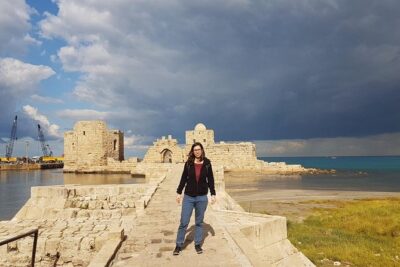
Private Guided Tour to Sidon, Tyre and Maghdouche from Beirut
Read our review →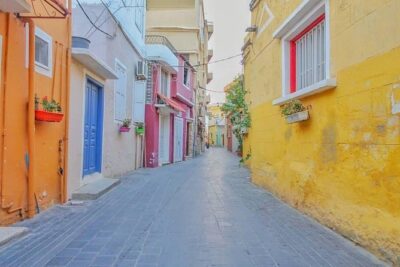
Lebanon tour Sidon & Tyre ruins with pick-up, guide,lunch+entries
Read our review →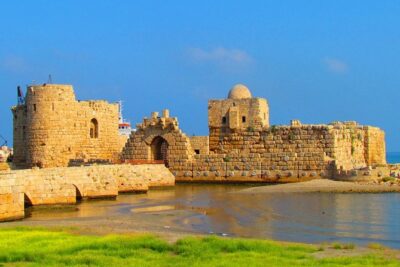
Lebanon Unveiled: Exclusive Private Tours to Sidon & Tyre
Read our review →