REVIEW · BAALBEK ANJAR AND KSARA DAY TRIPS
Guided Full-Day Private Trip to Cedars, Baalbek and Chateau Ksara
Roman giants, cedar trails, and wine share one day. This private trip links three of Lebanon’s most rewarding sights: the Roman ruins of Baalbek, the vineyards of the Beqaa Valley, and the Chouf cedar forest. I like the hotel pickup and private vehicle, which remove much of the day’s transport hassle, and I like the mix of archaeology, wine, and nature rather than another single-focus sightseeing tour.
The day also includes a local guide at Baalbek, a useful addition at a site where size alone does not explain what you are seeing. The main consideration is time: nine hours is a lot of ground to cover, and lunch is not included. You will also want to confirm exactly which entrance fees apply, since the details list Baalbek temple admission as not included while another Baalbek entry is marked free.
In This Review
- Key points to know before booking
- Why this Beirut day trip covers so much ground
- Baalbek: Lebanon’s Roman showpiece
- The Stone of the Pregnant Woman and Baalbek’s giant blocks
- A brief visit to the Mosque of Sayyida Khawla
- Lunch: a needed pause, but not part of the price
- Château Ksara and Lebanon’s long wine tradition
- Maasser el Chouf: two hours among Lebanon’s cedars
- What the private format changes
- Who will enjoy this nine-hour outing
- What to pack and how to prepare
- Should you book this Baalbek, wine, and cedar tour?
- FAQ
- Where does the tour begin?
- How long does the experience last?
- Is transportation private?
- Is hotel pickup and drop-off included?
- Is a guide included at Baalbek?
- Is lunch included?
- Is the wine tasting at Château Ksara included?
- Can I cancel for a full refund?
Key points to know before booking
- Baalbek is the main event: Allow roughly four hours around the ancient sanctuary, including the temple complex and the Stone of the Pregnant Woman.
- A private vehicle keeps the day flexible: Pickup and drop-off at your Beirut hotel are included, and only your group takes part.
- Château Ksara adds a taste of the Beqaa Valley: The winery dates to 1857 and offers local wine tasting for an additional fee.
- The cedar stop involves a real walk: Maasser el Chouf allows about two hours among Lebanon’s famous national trees.
- Lunch is at your own expense: It is not included in the $100 per-person price.
- This suits culture-and-nature people: You get major ruins, wine, and a forest walk in one long day.
Why this Beirut day trip covers so much ground
From Beirut, the route heads inland toward the Beqaa Valley, then continues to the Chouf region before returning to the city. The advertised duration is about nine hours, with an 8:30 am start.
That schedule gives you a full day, not a rushed half-day outing. Still, you should expect a busy program. Baalbek alone receives about four hours of attention, Château Ksara about one hour, and Maasser el Chouf about two hours. The remaining time covers driving, the lunch pause, and the stop at the Stone of the Pregnant Woman.
I see the private format as the tour’s biggest practical advantage. You are not joining a large group with a fixed pace or waiting for strangers at every stop. The vehicle is air-conditioned, and the tour leader handles the day while a local guide provides the Baalbek commentary.
The price is listed at $100 per person. For a private, full-day outing with hotel transport, a driver, a tour leader, and a local Baalbek guide, that can be good value, especially if two or more people share the experience. The price does not cover lunch, and Château Ksara admission is not included. The Baalbek admission details are not fully consistent, so I would ask about current entrance costs before paying.
More Baalbek and Bekaa day trips:
- Guided Small-Group Tour to Baalbek, Anjar and Ksara with Lunch
★ 5.0 · 511 reviews - Anjar, Baalbek & Ksara Day Trip – With Lunch (4G on Board)
★ 4.5 · 181 reviews - Baalbek – Anjar – Ksara Trip From Beirut
★ 4.5 · 80 reviews
Baalbek: Lebanon’s Roman showpiece
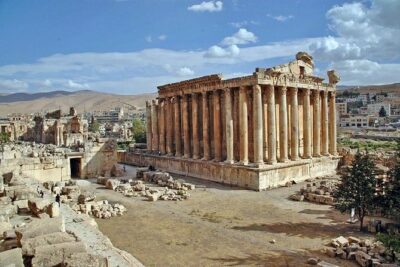
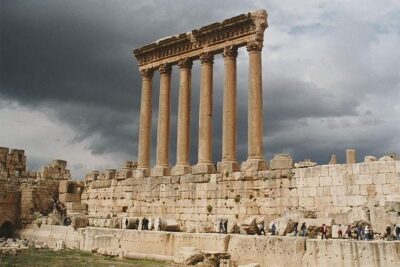
Baalbek deserves the longest stop. The city was known as Heliopolis during the Hellenistic period, and its sanctuary later became one of the Roman world’s grandest religious centers. The complex honored a Romanized version of a Phoenician triad: Jupiter, Venus, and Bacchus.
The scale is what first grabs you. The Temple of Jupiter was built with enormous columns and vast stone blocks, while the Temple of Bacchus remains one of the best-preserved Roman temples in the region. This is not a site where you simply look at a few broken walls and move on. You need time to walk, look upward, and understand how much stone the builders moved.
A local guide matters here. Without context, Baalbek can become a parade of impressive fragments. With an explanation of the sanctuary’s religious purpose, the Roman building program, and the site’s earlier Phoenician connections, the ruins become easier to read.
The complex was inscribed as a UNESCO World Heritage site in 1984. It sits at about 1,150 meters at the foot of the Anti-Lebanon range, beside the fertile Beqaa plain. That setting helps explain why this location mattered, but the visit is primarily about architecture and ancient worship rather than scenery.
Plan on about two hours for the Baalbek site itself, followed by more time for the nearby points of interest. The supplied schedule gives two hours to Baalbek and another two hours to the temples, though these are best understood as parts of the same archaeological visit rather than separate full excursions.
The Stone of the Pregnant Woman and Baalbek’s giant blocks
The Stone of the Pregnant Woman is a short but memorable stop. It is a worked Roman monolith, and it sits near another huge ancient block. Both are linked to the construction of the nearby temple complex.
The point of stopping here is simple: you can see the raw scale of Roman building work before or after viewing the finished temples. The stone helps put the columns and walls into perspective. These were not small decorative projects. They required quarrying, moving, and placing blocks of extraordinary size.
The stop lasts about 30 minutes and has no listed admission charge. It is not a substitute for the temple complex, but it adds a useful piece to the story of how Baalbek was made.
A brief visit to the Mosque of Sayyida Khawla
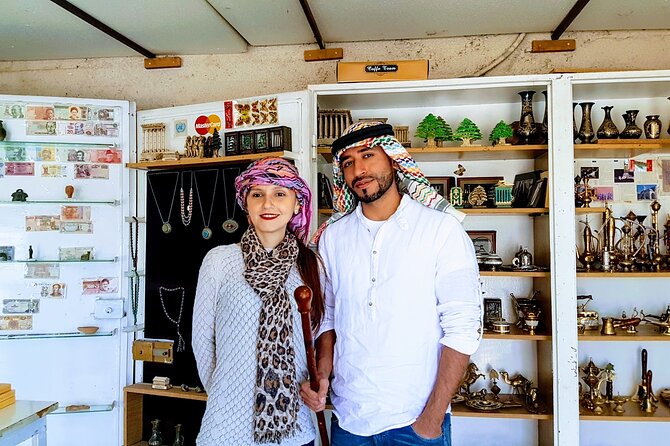
The route also includes the Mosque of Sayyida Khawla in Baalbek. It is associated with the burial place of Sayyida Khawla, believed to be the daughter of Imam al-Hussein, the grandson of the Prophet Muhammad.
The site connects the modern religious life of Baalbek with the city’s ancient past. According to local belief, Khawla died and was buried there when the caravan of captives from Karbala passed through Baalbek.
The available details do not give a separate duration or admission cost for this stop. Treat it as a brief cultural visit within the Baalbek portion of the day. Your guide can help explain its importance and the local tradition connected with it.
More of the Qadisha Valley and the Cedars:
- Guided Small-Group Tour to Qadisha, Bcharee & Cedars with Lunch
★ 5.0 · 39 reviews - Cedars of Lebanon, Qozhaya, & Bcharre – With Lunch (4G on Board)
★ 4.5 · 34 reviews - Cedars, Bsharre & Kozhaya Day Tour
★ 5.0 · 15 reviews - Small-Group Tour with Lunch to Qadisha Valley, Bcharre and Cedars
★ 5.0 · 12 reviews
Lunch: a needed pause, but not part of the price
Lunch is not included, so budget for it separately. The schedule places a lunch pause between the Baalbek portion and the winery visit.
This is worth keeping in mind when comparing the $100 price with other day trips. You are paying for the private transport and guiding structure, not an all-inclusive package. The practical upside is that you can handle lunch according to your own budget and preferences, though the exact restaurant arrangement is not specified.
Because the day includes walking at Baalbek and a two-hour forest outing, lunch is more than a minor detail. It gives you a chance to rest before the final part of the route.
Château Ksara and Lebanon’s long wine tradition
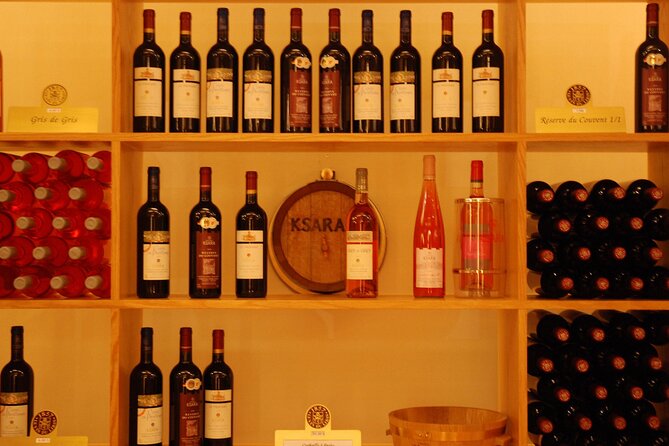
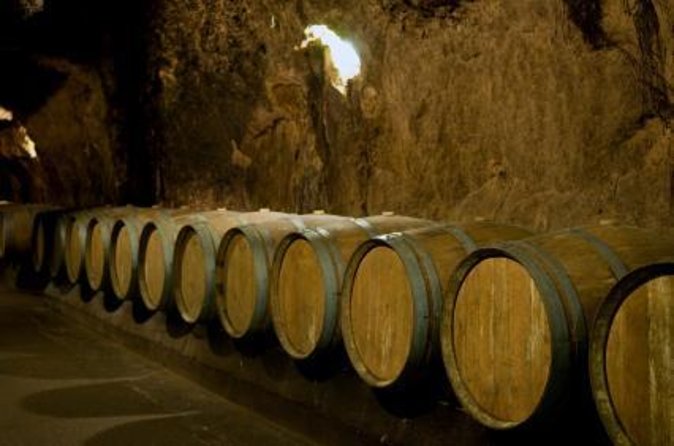
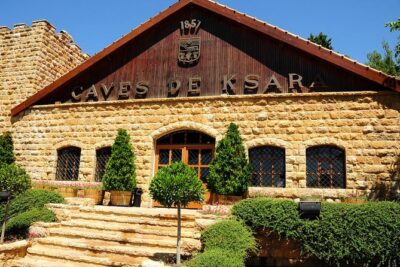
Château Ksara brings a completely different side of Lebanon into the day. The winery was founded in 1857 by Jesuit priests and later produced Lebanon’s first dry wine. Today, it makes about three million bottles a year and exports to more than 40 countries.
You are scheduled to spend about one hour here. The stop includes local wine tasting, but the admission cost is not included. If you enjoy wine, this is a pleasant change of pace after the stone-heavy grandeur of Baalbek. It also gives the Beqaa Valley a more current identity, tied to agriculture and production rather than only ancient ruins.
I like this pairing because it avoids treating Lebanon as a museum. You see the remains of a Roman religious center, then taste a product still being made in the country today. The contrast gives the day a better rhythm.
The wine stop may be less appealing if you do not drink wine or if you prefer a slower archaeological visit. With only about an hour scheduled, you should not expect an extended winery experience. The available information confirms tasting, but does not specify how many wines are served or whether a cellar tour is part of the visit.
Maasser el Chouf: two hours among Lebanon’s cedars
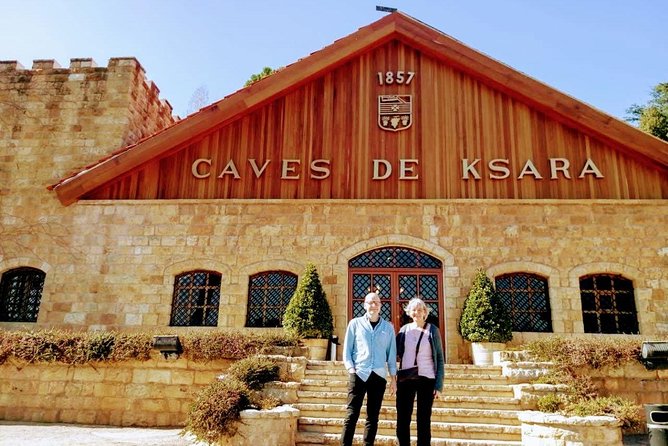
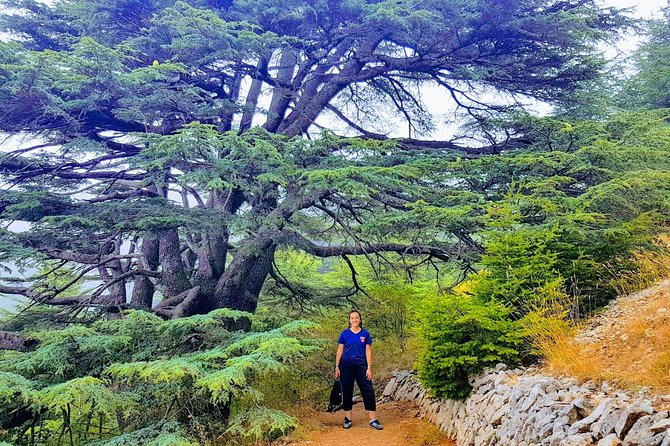
The final major stop is Maasser el Chouf, part of the Al-Shouf Cedar Nature Reserve on the slopes of Barouk Mountain. The reserve covers about 550 square kilometers, or nearly 5.3 percent of Lebanon’s territory. It contains about 70 percent of the country’s green area and is described as the largest nature reserve in the Middle East.
The reserve was recognized by UNESCO as a biosphere reserve in 2005. Its famous cedar trees are Lebanon’s national trees, so this is more than a generic woodland walk. The cedars carry cultural meaning as well as ecological value.
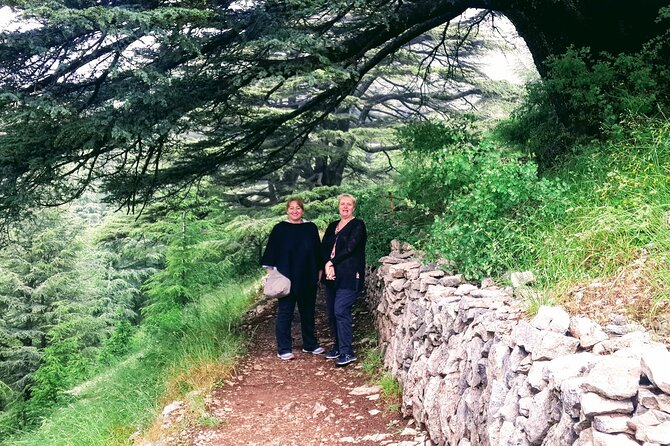
You have about two hours for a hike. The word hike matters here. This is not simply a roadside photo stop, although the exact trail length and difficulty are not provided. Wear shoes suitable for walking and allow enough energy for uneven ground or an uphill section.
The forest is a strong counterpoint to Baalbek. At the temples, you spend your time examining stone and human ambition. In the cedars, the pace changes and the focus turns to Lebanon’s natural heritage. This balance is one of the trip’s best features.
The reserve is in the Chouf District, while Baalbek lies in the Beqaa Valley, so the day covers a wide section of Lebanon. That makes the tour efficient, but it also means you should be comfortable with a long day in the vehicle.
What the private format changes
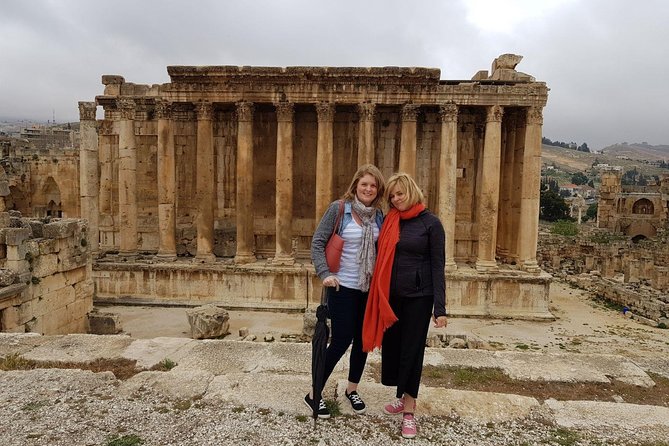
The tour is private, meaning only your group participates. That matters most on a packed route like this one. You are less likely to lose time gathering a large party, and the day can feel more personal from the first hotel pickup to the return.
The vehicle is air-conditioned and transportation is described as comfortable. A driver-guide leads the journey, while a local guide is included at Baalbek. The details do not identify the guides by name, so you cannot choose a particular person in advance.
Pickup and drop-off at your Beirut hotel are included. The start time is 8:30 am. Since the day lasts about nine hours, expect to return in the late afternoon or early evening, though the exact arrival time will depend on road conditions and time spent at each stop.
This format is best for people who value convenience and privacy over the lowest possible cost. If you are traveling alone, $100 per person may feel expensive compared with a larger group outing. If you are with family or friends, the private arrangement becomes easier to justify.
Who will enjoy this nine-hour outing
I would recommend this trip to you if you want a broad introduction to Lebanon beyond Beirut. It gives you ancient architecture, a religious site, wine production, and a cedar reserve in one day.
It is especially well suited to:
- People with one free day who want to see Baalbek from Beirut
- Couples or small groups who prefer private transport
- Visitors who enjoy both cultural sites and outdoor walking
- Wine drinkers interested in Lebanese production
- Anyone who wants hotel pickup rather than arranging long-distance transport
I would hesitate to recommend it if you dislike long days or want to explore Baalbek at a slow, scholarly pace. You may also prefer another outing if wine tasting is not of interest, since part of the day is devoted to Château Ksara.
The cedar walk is another factor. Most travelers can participate, but the tour does include about two hours of hiking. If walking is difficult for you, ask the operator about the trail conditions before booking.
What to pack and how to prepare
Wear comfortable walking shoes. Baalbek involves extensive outdoor sightseeing, and Maasser el Chouf includes a hike. You will be happier with practical clothing than with anything formal.
Bring money for lunch and any entrance fees not covered by the tour. The included features list transportation, hotel pickup and drop-off, the tour leader, the local Baalbek guide, and the air-conditioned vehicle. Lunch is specifically excluded, while Château Ksara admission is also listed separately.
A mobile ticket is available, and confirmation is received at booking. Free cancellation is available if you cancel at least 24 hours before the start time. Changes or cancellations made less than 24 hours before the start are not accepted for a refund.
Should you book this Baalbek, wine, and cedar tour?
Book it if you want the most varied use of one day from Beirut. The private vehicle, hotel service, Baalbek guide, and strong mix of sights make the $100 price reasonable for a small group, provided you allow extra money for lunch and admissions.
The ancient temples receive the highest praise for good reason. They are the emotional center of the day, and the wine tasting and cedar walk keep the experience from becoming an all-ruins excursion. Just go in knowing that this is a full schedule with considerable driving, not a leisurely stay in one place.
If Baalbek is your top priority and you want more time among the ruins, look for a dedicated Baalbek trip instead. If you want culture, wine, and a forest walk in one private outing, this is a well-rounded choice.
FAQ
Where does the tour begin?
The tour begins with pickup from your Beirut hotel. The stated start time is 8:30 am.
How long does the experience last?
The full trip lasts about nine hours.
Is transportation private?
Yes. The tour includes comfortable private transportation in an air-conditioned vehicle, and only your group participates.
Is hotel pickup and drop-off included?
Yes. Pickup and drop-off from your Beirut hotel are included.
Is a guide included at Baalbek?
Yes. The experience includes a tour leader and a local guide in Baalbek.
Is lunch included?
No. Lunch is not included in the tour price.
Is the wine tasting at Château Ksara included?
Wine tasting is part of the experience, but Château Ksara admission is listed as not included.
Can I cancel for a full refund?
Yes, if you cancel at least 24 hours before the experience start time. Cancellations made less than 24 hours in advance are not refunded.
Just added in Beirut
- Wine Tasting Tour★ 5.0 · 2 reviews
- Lebanon’s Treasures: Jeita Grotto and Harissa Private Tour★ 5.0 · 2 reviews
- Lebanon tours vip jeitta byblos beirut we charge per vechile not per person.★ 5.0 · 1 review
- Small Group Tour to Baalbek, Anjar & Ksara with Hotel pickup★ 5.0 · 2 reviews
- Journey Through Time: A Private Tour of Tripoli and Byblos★ 5.0 · 1 review
- Guided Small-Group Tour to Baalbek, Cedars & Qozhaya with Lunch★ 5.0 · 2 reviews
- Small-Group Tour with Lunch to Sidon, Tyre & Maghdouche★ 5.0 · 2 reviews
- Small-Group Tour Qadisha Valley, Becharre and Cedars with Lunch and Tickets★ 5.0 · 1 review
Baalbek Anjar and Ksara Day Trips
Anjar, Baalbek & Ksara Day Trip – With Lunch (4G on Board)
Read our review →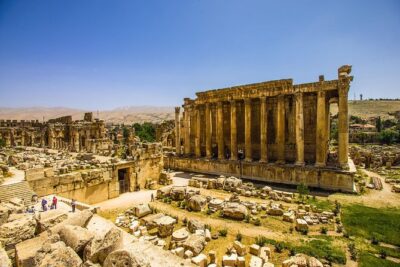
Private Anjar and Baalbek Tour from Beirut with Departure Ticket
Read our review →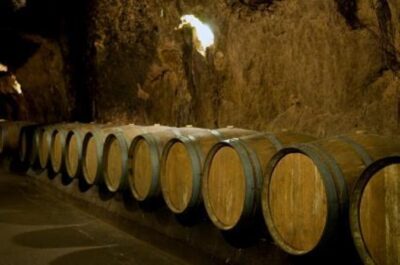
Guided Private Full Day Tour to Baalbek, Anjar and Chateau Ksara
Read our review →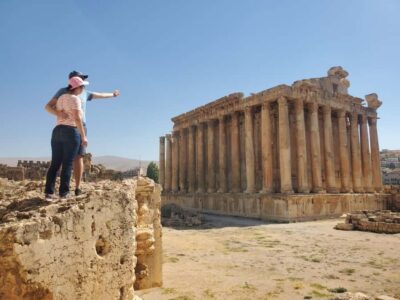
Baalbek Temples & Ksara Caves w/pick-up,guide, entries+lunch
Read our review →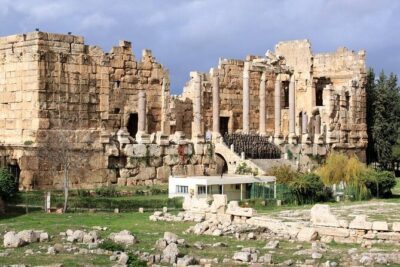
Small Group Tours to Baalbek, Anjar & Chateau Ksara with lunch and Tickets
Read our review →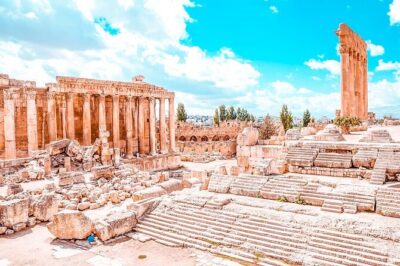
Private Tour: Anjar, Baalbek and Ksara Day Trip from Beirut
Read our review →