REVIEW · BAALBEK ANJAR AND KSARA DAY TRIPS
Baalbek, Anjar & Wine: A Journey Through Lebanon’s Heritage
Ancient stones and Lebanese wine make a fine pairing. This full-day trip from Beirut links three very different places: the huge Roman temples of Baalbek, the Umayyad ruins of Anjar, and Chateau Ksara in the Bekaa Valley. I like the strong mix of archaeology and local culture, and I like that hotel pickup, drop-off, transport, and a tour leader are included.
The main drawback is that the $55 price does not cover entrance fees or lunch. The day also moves quickly, with about 90 minutes at Baalbek, 45 minutes at Anjar, and one hour at the winery. You get a useful overview, but not a slow, highly detailed study of every site.
In This Review
- Key points to know before booking
- Why this Beirut day trip works
- Baalbek and the scale of Roman power
- The Stone of the Pregnant Woman
- Anjar and the Umayyad city plan
- Chateau Ksara and the taste of the Bekaa Valley
- What the $55 price really covers
- Timing, group size, and practical comfort
- Who should book this experience?
- Should you book Baalbek, Anjar and Ksara?
- FAQ
- Where does the tour begin?
- How long does the experience last?
- What sites are included in the route?
- Is transportation included?
- Is a tour leader included?
- Are admission fees included?
- Is lunch included?
- How many people can join the tour?
- Can most people participate?
- Can I cancel or change the booking?
Key points to know before booking
- Three major stops in one day: Visit Baalbek, Anjar, and Chateau Ksara without arranging separate transport from Beirut.
- Baalbek is the main event: Allow your attention to linger on the colossal Temple of Jupiter and the well-preserved Temple of Bacchus.
- A remarkable megalith nearby: The Stone of the Pregnant Woman adds a brief but memorable stop connected to local legend.
- Roman and Persian design at Anjar: The Umayyad ruins show how different cultural influences met in an 8th-century city.
- Wine finishes the day: Chateau Ksara offers a tasting experience tied to Lebanon’s long winemaking tradition.
- Small-group format: The group is limited to 15 people, which should make transport and guiding easier than on a large coach tour.
Why this Beirut day trip works
This is a practical choice if you want to see the Bekaa Valley without renting a car or building a complicated plan. The included air-conditioned vehicle matters, especially on a long day that covers several sites outside Beirut. Hotel pickup and drop-off also remove the need to find a separate meeting point in the morning or after the winery visit.
The scheduled start is 8:30 am, and the full experience lasts about eight hours. That gives you a solid day outside the capital, but it is not an open-ended excursion. I would think of it as a well-packed introduction rather than a leisurely archaeological tour.
The best feature is the range. Baalbek is monumental and Roman. Anjar is smaller, more orderly, and connected to the early Islamic period. Chateau Ksara changes the mood completely, replacing carved stone with wine glasses and cellar traditions. That contrast gives the day a natural rhythm.
The strongest praise for the experience centers on the monuments, the wine tasting at Ksara, and the quality of the service and guiding. That is useful because these are the parts that need the most interpretation. Ruins can be hard to read without context, while wine tasting is much more rewarding when someone explains what you are sampling.
More Baalbek and Bekaa day trips:
- Guided Small-Group Tour to Baalbek, Anjar and Ksara with Lunch
★ 5.0 · 511 reviews - Anjar, Baalbek & Ksara Day Trip – With Lunch (4G on Board)
★ 4.5 · 181 reviews - Baalbek – Anjar – Ksara Trip From Beirut
★ 4.5 · 80 reviews
Baalbek and the scale of Roman power
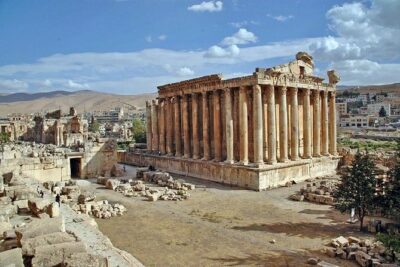
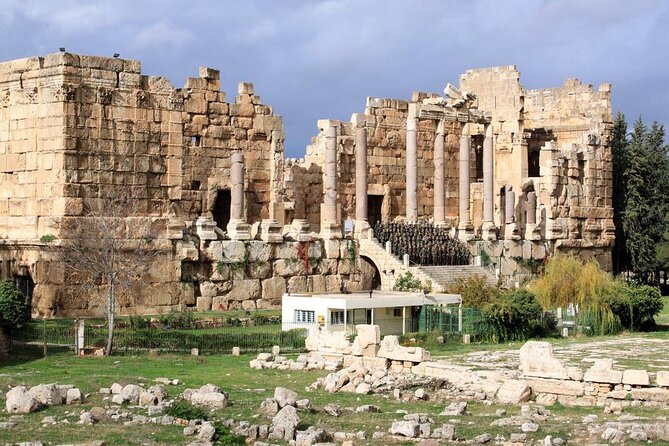
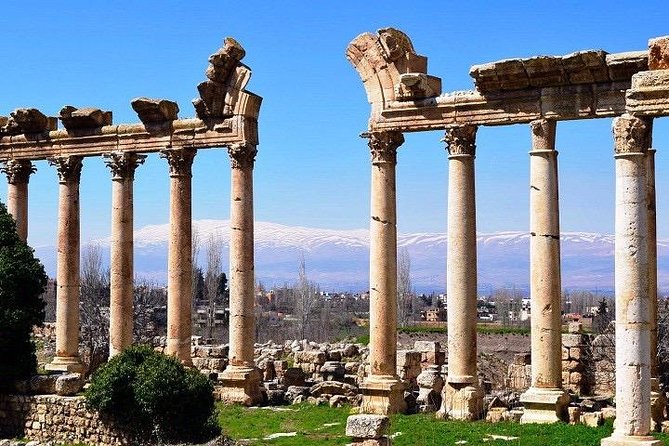
Baalbek deserves the longest stop, and the tour allows about 90 minutes there. The site is a UNESCO World Heritage site with monumental temples dedicated to Jupiter, Bacchus, and Venus. Even if Roman architecture is not your usual interest, the size of the remains makes an immediate impression.
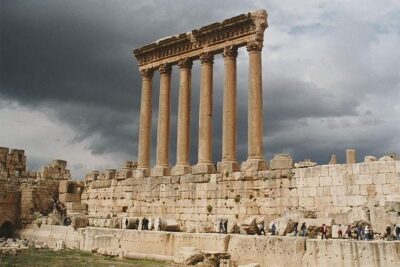
The Temple of Jupiter is the headline attraction. Its enormous columns are described as the largest Roman columns ever built, and that scale is difficult to understand from photographs. Look upward, then compare the columns with the people around you. The comparison gives you a better sense of the engineering and labor involved.
The site also contains intricate carvings and imposing structures that reward a slow walk. I would not spend the whole visit taking pictures from one viewpoint. Move around the ruins and look for changes in scale, stonework, and the way the surviving pieces frame the sky.
The Temple of Bacchus is another major highlight. Its dedication to the Roman god of wine makes it a fitting prelude to the later stop at Chateau Ksara. The connection is not meant to suggest that ancient and modern winemaking are the same, but it does give the day a pleasing thread.
Admission to Baalbek is not included, so you should budget separately for the entrance fee. The supplied information does not state the current amount, so check it before departure rather than assuming the $55 covers all site costs.
The 90-minute visit is enough for a meaningful first look. It may feel short if you want to study every carved detail or walk through the complex at a very slow pace. If photography and ancient architecture are your main reasons for booking, keep your group close and use the available time carefully.
The Stone of the Pregnant Woman
The Stone of the Pregnant Woman receives a 15-minute stop, and that is about right for a quick look. Known locally as Hajar al-Hibla, this enormous megalith is estimated to weigh around 1,000 tons and is thought to be more than 2,000 years old.
Its name comes from a local fertility legend. The story says that women who touch the stone may improve their chances of becoming pregnant. You can treat that as folklore rather than fact, but it adds a human layer to what might otherwise seem like an abandoned piece of construction material.
This stop is free, which makes it a useful addition to the day. It is not a full archaeological site visit, and you should not expect a long guided exploration. Instead, you get time to see the monolith, hear the story attached to it, and consider the practical mystery of how such a huge block was cut and moved.
I like this brief stop because it gives the day a lighter, more local detail after the formal grandeur of Baalbek. It is also a reminder that ancient places are shaped by legends as well as by stone.
Anjar and the Umayyad city plan
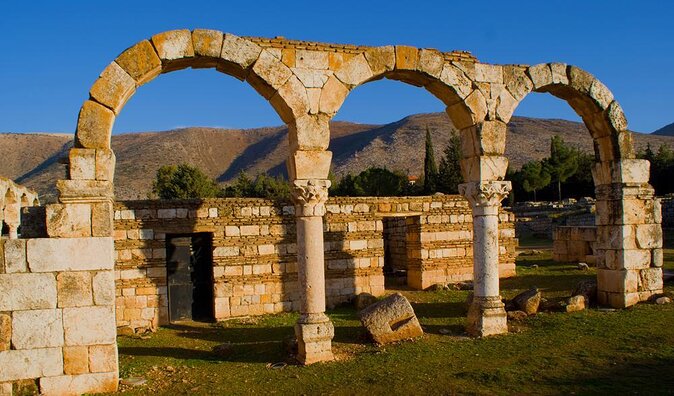
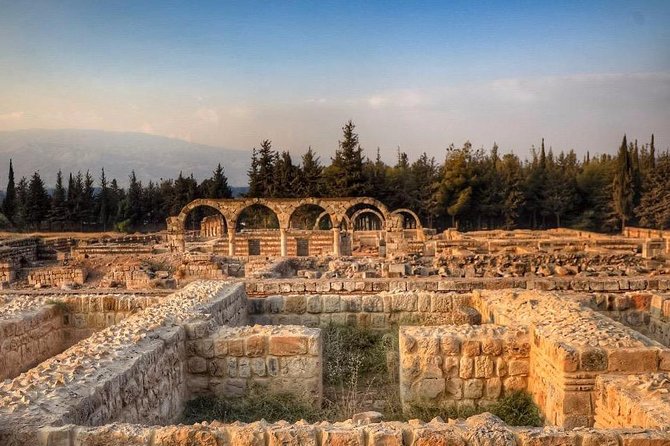
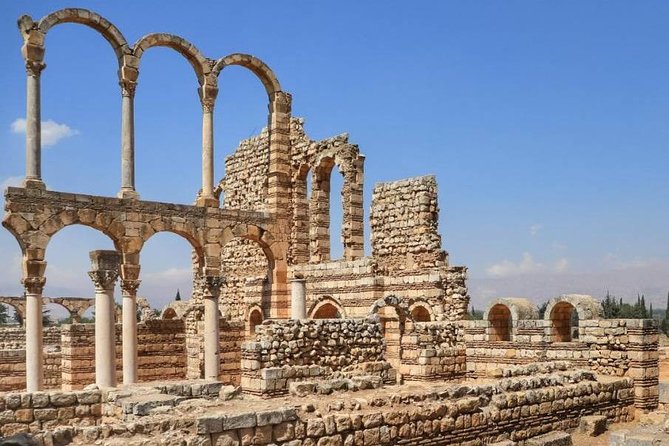
After Baalbek, the tour continues to the Umayyad ruins of Anjar. The visit lasts about 45 minutes, and admission is not included. Anjar was built in the 8th century by Umayyad Caliph Walid I, and its remains reveal a planned city with Roman and Persian architectural influences.
The Great Palace is one of the key features to look for. The ruins also include bathhouses and mosques, giving you a sense of a city designed for civic, religious, and daily life. Compared with Baalbek, Anjar is less about overwhelming height and more about layout and cultural connections.
That difference is important. Baalbek makes you look up at giant columns. Anjar encourages you to look across the site and understand how buildings related to one another. The Roman influence appears in the city’s structure, while Persian elements add another layer to its design.
Forty-five minutes should give you a useful orientation, especially with a tour leader explaining what you are seeing. It will not allow for an exhaustive study of every wall or architectural feature. If you want to read every panel and inspect each remaining detail, you may wish for more time.
Anjar also helps correct the idea that Lebanon’s past can be reduced to the Roman era. The country’s archaeological record includes many periods and cultures. This stop gives the day a needed early Islamic chapter before the final visit to the winery.
More wine tasting in Beirut:
- Lebanon Wine Tasting Tour From Beirut
★ 4.5 · 25 reviews - PRIVATE Tour of Baalbek Temples, Umayyad Anjar & Ksara Winery
★ 5.0 · 12 reviews - Anjar, Baalbek & Ksara Winery
★ 5.0 · 11 reviews - PRIVATE Wine Tasting Tour to the Bekaa Valey Fabulous Wineries
★ 5.0 · 7 reviews
Chateau Ksara and the taste of the Bekaa Valley
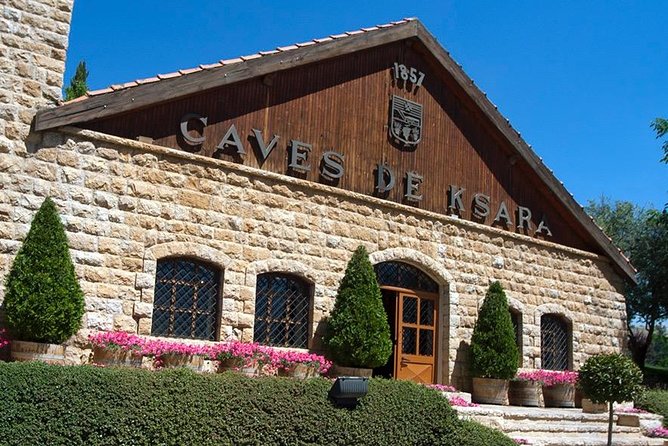
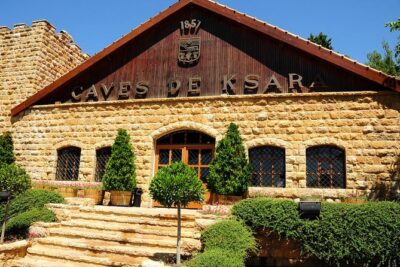
Chateau Ksara provides the day’s most relaxed stop. The winery has a 150-year legacy and offers a one-hour wine tasting experience. You can expect a change of pace from ruins and temple stones, with attention turning to grapes, cellars, and the way Lebanese wine is made.
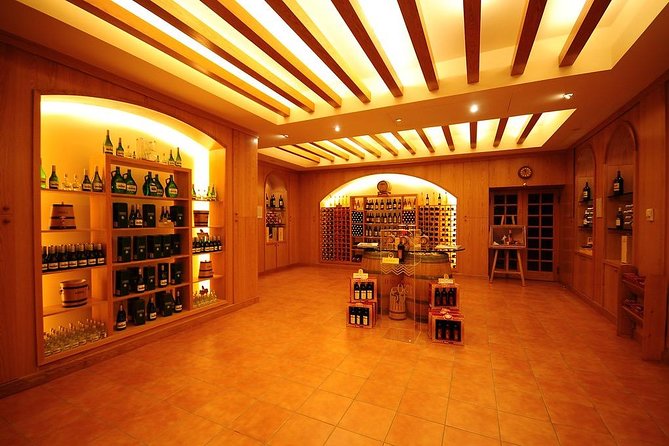
The tasting includes both reds and whites. Sommeliers guide the experience, explaining the wines and the balance between tradition and newer winemaking methods. The description also refers to award-winning wines, though the exact tasting selection is not specified.
Admission to Chateau Ksara is not included, so factor that into your total cost. The $55 tour price covers the vehicle, hotel transfers, and tour leader, but you should not read it as an all-inclusive day.
One hour is enough for an introduction to the winery and a tasting. It is not enough for a long winery visit with several cellar tours, a full meal, and extended shopping time. I would see Ksara as the pleasant finish to a history-focused day, not as a stand-alone wine holiday.
The choice of winery also gives you a local experience that a purely archaeological route would miss. Lebanon is not only about old stones. Food and wine are part of the country’s cultural identity, and Ksara lets you connect the Bekaa Valley with something you can taste.
What the $55 price really covers
At $55 per person, this tour offers good value if you want door-to-door transport and a planned route. The included air-conditioned vehicle is one of the most useful parts of the package. Driving independently would require more planning, and separate transport to Baalbek, Anjar, and Ksara could cost more or take more effort.
The price also includes hotel pickup and drop-off, plus a tour leader. Those inclusions make the tour easier for a first visit to Lebanon, particularly if you are staying in Beirut and want a simple way to reach the Bekaa Valley.
You still need to pay for:
- Entrance to the Temples of Baalbek
- Entrance to the Umayyad ruins of Anjar
- Admission or tasting fees at Chateau Ksara
- Lunch
Because lunch is not included, plan for a meal expense during the day. The supplied details do not identify a restaurant or a set lunch arrangement, so you should ask the provider what stop is planned and how much time is allowed.
The best value comes from the combination of transport and variety. If you already have a rental car and prefer to set your own pace, the fixed schedule may be less appealing. If you want someone else to handle the driving and route, the price is easier to justify.
Timing, group size, and practical comfort
The maximum group size is 15 people. That is small enough for a more personal format than a large sightseeing bus, while still being a group tour rather than a private experience. A smaller group can make it easier to hear the tour leader and keep the day moving.
The 8:30 am start gives you a full day for the three stops. Since the tour lasts about eight hours, expect a tightly arranged schedule. The 90 minutes at Baalbek is the longest visit, followed by 45 minutes at Anjar and one hour at Ksara, with the remaining time used for driving and the meal break.
Wear practical shoes for ancient sites. The information does not specify the exact walking conditions, but archaeological ruins commonly require time on uneven ground. Bring water and keep your schedule flexible around the site visits, since the day includes several stops and admission arrangements.
A mobile ticket is provided, and confirmation is received at booking. Most people can participate, according to the tour details, but specific accessibility information is not supplied. If you need step-free access, special seating, or other assistance, contact Beirut Trip before paying.
The tour is operated by Beirut Trip. The guide’s role matters here because Baalbek and Anjar are much easier to understand with clear explanations. One short review specifically praised the excellent service and guide, so I would give that part of the experience proper weight when making your decision.
Who should book this experience?
I would recommend this tour to someone based in Beirut who wants a broad introduction to Lebanon’s ancient sites and wine culture in one day. It suits people who value convenience, included transport, and a clear schedule over long independent visits.
It is also a good fit if you are interested in Roman architecture but want more than one historical period. Baalbek gives you the giant monuments, Anjar adds an Umayyad perspective, and Ksara offers a modern Lebanese tradition with a long past of its own.
Families and mixed-interest groups may appreciate the variety. One person can focus on temples, another on early Islamic architecture, and another on wine. The day rarely stays in one mode for long.
You may want to skip it if you need a slow pace, a private guide, or a full day devoted only to Baalbek. The fixed schedule leaves limited time for lingering. Wine enthusiasts seeking an extensive tasting should also confirm what is included at Ksara before booking.
The cancellation rule is strict: the experience is non-refundable and cannot be changed after booking. I would only reserve once your date is firm.
Should you book Baalbek, Anjar and Ksara?
Book it if you want an efficient day from Beirut with the major costs of transport and guiding handled for you. The combination of Baalbek’s huge Roman remains, Anjar’s unusual cultural mix, and Chateau Ksara’s wine tasting gives you a far fuller picture of the Bekaa Valley than a single-site excursion.
Before paying, confirm the extra entrance fees, the winery tasting charge, and the lunch plan. If those additions fit your budget, $55 is a sensible starting price for an eight-hour, small-group outing. The monuments and wine are the clear strengths, while the main compromise is the brisk timing.
FAQ
Where does the tour begin?
The tour begins with hotel pickup in Beirut. The scheduled start time is 8:30 am.
How long does the experience last?
The tour lasts approximately eight hours.
What sites are included in the route?
The route includes the Temples of Baalbek, the Stone of the Pregnant Woman, the Umayyad ruins of Anjar, and Chateau Ksara.
Is transportation included?
Yes. An air-conditioned vehicle is included, along with hotel pickup and drop-off.
Is a tour leader included?
Yes. A tour leader is included.
Are admission fees included?
No. Admission to the Temples of Baalbek, the Umayyad ruins of Anjar, and Chateau Ksara is not included in the stated price.
Is lunch included?
No. Lunch is not included.
How many people can join the tour?
The maximum group size is 15 people.
Can most people participate?
The tour information says most people can participate. Specific accessibility details are not provided, so contact Beirut Trip if you have access needs.
Can I cancel or change the booking?
No. The experience is non-refundable and cannot be changed for any reason after booking.
More History Tours in Beirut
- PRIVATE Beirut Historical Walking Half Day Tour
★ 5.0 · 27 reviews - Historical Beirut Tour (AM) Half Day – (4G on Board)
★ 4.0 · 16 reviews - Temple of Eshmun – Mleeta Landmark – Beaufort Castle
★ 5.0 · 9 reviews - Guided Half-Day Private Beirut Historical Tour
★ 5.0 · 6 reviews
Just added in Beirut
- Wine Tasting Tour★ 5.0 · 2 reviews
- Lebanon tours vip jeitta byblos beirut we charge per vechile not per person.★ 5.0 · 1 review
- Lebanon’s Treasures: Jeita Grotto and Harissa Private Tour★ 5.0 · 2 reviews
- Journey Through Time: A Private Tour of Tripoli and Byblos★ 5.0 · 1 review
- Small Group Tour to Baalbek, Anjar & Ksara with Hotel pickup★ 5.0 · 2 reviews
- Small-Group Tour with Lunch to Sidon, Tyre & Maghdouche★ 5.0 · 2 reviews
- Guided Small-Group Tour to Baalbek, Cedars & Qozhaya with Lunch★ 5.0 · 2 reviews
- Small-Group Tour Qadisha Valley, Becharre and Cedars with Lunch and Tickets★ 5.0 · 1 review
Baalbek Anjar and Ksara Day Trips
Anjar, Baalbek & Ksara Day Trip – With Lunch (4G on Board)
Read our review →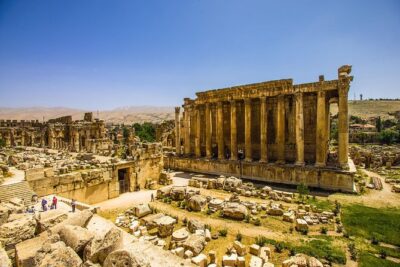
Private Anjar and Baalbek Tour from Beirut with Departure Ticket
Read our review →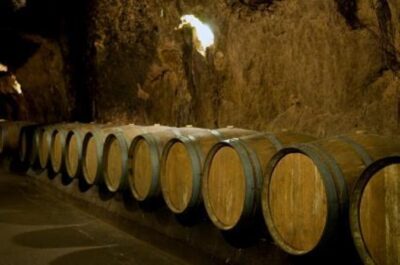
Guided Private Full Day Tour to Baalbek, Anjar and Chateau Ksara
Read our review →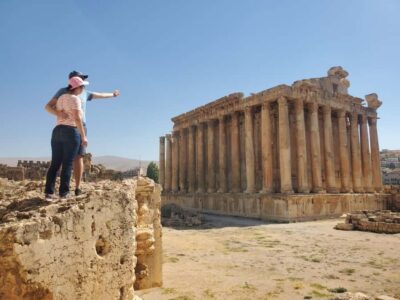
Baalbek Temples & Ksara Caves w/pick-up,guide, entries+lunch
Read our review →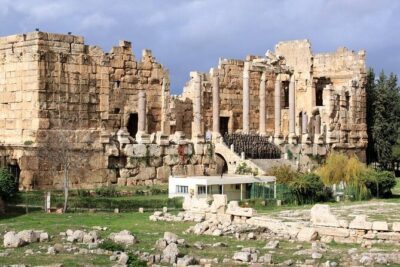
Small Group Tours to Baalbek, Anjar & Chateau Ksara with lunch and Tickets
Read our review →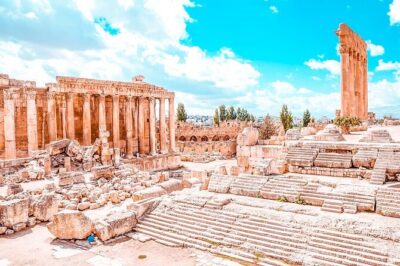
Private Tour: Anjar, Baalbek and Ksara Day Trip from Beirut
Read our review →