REVIEW · TOURS
6-Day Highlights of Lebanon Tour from Beirut with Pickup
Lebanon packs centuries into a small country. This six-day trip links Roman temples, Phoenician ports, mountain monasteries, cedar groves, and Ottoman-era markets while keeping Beirut as your base. I especially like the door-to-door airport transfers and the chance to see both famous ruins and living towns such as Byblos, Sidon, and Bcharre. The main tradeoff is pace: four full sightseeing days mean long drives and a lot of stops.
The small-group limit of 15 people gives the trip a more personal feel than a large coach tour. I also like that the schedule includes local guides for key sites and a wine tasting at Chateau Ksara, not just a procession of ruins. Office contact Fatima is described as quick and clear with details, while guide Alex is praised for being accommodating, responsible, and good-humored. Just remember that dinners are not included, and the exact breakfast and lunch arrangements should be confirmed before you go.
In This Review
- Key points to know before booking
- Why Beirut works as your six-day base
- Day 2: Jeita Grotto, Harissa, and ancient Byblos
- Jeita Grotto
- Harissa and the Jounieh Bay view
- Byblos Citadel and Crusader castle
- Day 3: Baalbek, Anjar, and wine in the Beqaa Valley
- The temples of Baalbek
- Anjar’s Umayyad city plan
- Chateau Ksara
- Day 4: Qadisha Valley, Bcharre, and the Cedars of God
- Qadisha Valley and Saint Anthony
- Bcharre and the Gibran Museum
- The Cedars of God
- Day 5: Sidon, Tyre, and Maghdouche
- Sidon’s sea castle and old town
- Tyre’s Roman scale
- Maghdouche and Our Lady of Awaiting
- Is $790 good value for this much Lebanon?
- Who will enjoy this tour most?
- Should you book this Lebanon tour?
- FAQ
- Where does the tour start?
- How long is the experience?
- How many people can join the small-group tours?
- What accommodation is provided?
- Are airport transfers included?
- Which local guides are included?
- Are meals included?
Key points to know before booking
- Four full-day outings from Beirut: You cover the coast, Beqaa Valley, northern mountains, and southern Lebanon without changing hotels.
- Ancient sites with real variety: Baalbek offers enormous Roman temples, Byblos brings Phoenician and Crusader remains, and Tyre adds a Roman hippodrome and necropolis.
- A mountain day beyond the ruins: Qadisha Valley, Bcharre, the Gibran Museum, and the Cedars of God bring forests, faith, art, and highland scenery into the plan.
- Small groups capped at 15: This is useful for questions, hotel pickups, and keeping the day moving.
- Semi-inclusive pricing: The $790 per person covers five nights in a four-star hotel, airport transfers, four small-group tours, and selected meals, but not dinner.
- A practical first and last day: Airport arrival and departure are handled for you, leaving the middle four days for sightseeing.
Why Beirut works as your six-day base
The tour begins at Beirut-Rafic Hariri International Airport. A representative meets you in Arrivals with a sign bearing your name, helps with luggage, and drives you to the hotel for check-in. Day one is intentionally simple. After a flight, that is a kindness rather than wasted time.
You spend all five nights in a four-star hotel in Beirut. This avoids the repeated packing that can wear you down on a countrywide tour, though it also means returning to the capital after every full day. The drive back can be tiring, especially after the northern and southern excursions.
On the final day, you have free time until departure. The representative collects your luggage and drives you to the airport. Since no sightseeing is scheduled, do not count day six as another touring day.
The four excursions are joining tours, with a maximum of 15 participants. That size is a good middle ground. You get the efficiency of shared transport without the feel of a large bus. The itinerary names local guides at Baalbek, Tyre, and Byblos, and the operator also provides support through its office. Fatima is specifically praised for responding to questions and sending trip details quickly. That sort of communication matters when a six-day schedule crosses the entire country.
Other trips worth a look in Beirut:
- Guided Small-Group Tour to Baalbek, Anjar and Ksara with Lunch
★ 5.0 · 511 reviews - Guided Small-Group Tour to Jeita, Harissa, Byblos with Lunch
★ 5.0 · 361 reviews - Paragliding Trip Over Lebanon – Jounieh Bay
★ 5.0 · 257 reviews
Day 2: Jeita Grotto, Harissa, and ancient Byblos
The first full sightseeing day heads north from Beirut. The route combines nature, a hilltop shrine, and one of Lebanon’s best-known coastal cities, so it gives you a good introduction to the country’s range.
Jeita Grotto
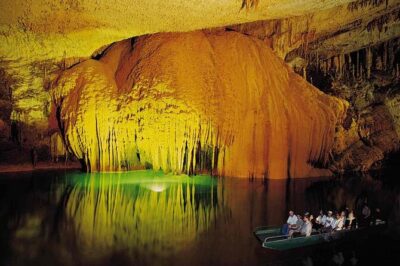
Jeita Grotto is a large geological site in the Kisrwan mountains, formed by centuries of natural erosion. It has an upper grotto reached by cable car and a lower grotto explored by a small boat. The boat route covers about 400 meters, within a cave system extending for roughly 7,800 meters.
You have about 90 minutes here. The cable car and boat make the visit more than a simple walk through a cave, but the time is still limited. If you like geology and unusual natural formations, this should be one of the day’s strongest stops. The admission ticket and cable car are included in the stated package.
Harissa and the Jounieh Bay view
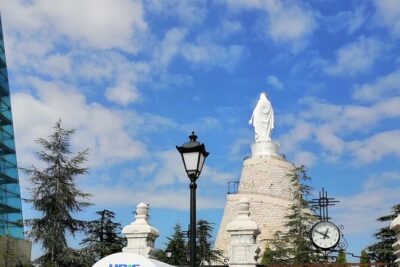
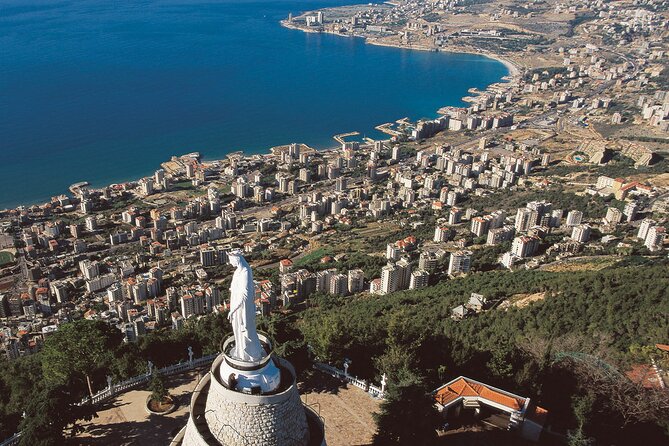
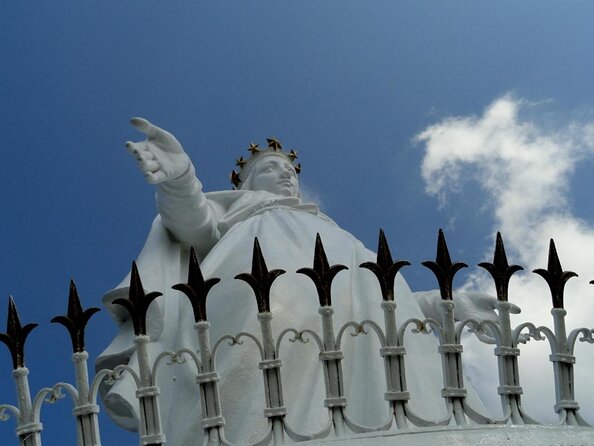
From Jeita, the tour continues to Harissa, where a large white bronze statue of the Virgin Mary rises above the coast. The shrine dates to 1908 and is visited by both Christians and Muslims. A spiral staircase leads toward the statue and a wide view over Jounieh Bay.
The program also includes Notre Dame du Liban church and the Téléferique Harissa cable car, which links Jounieh with the shrine. The scheduled time at the shrine and church is short, about 15 minutes each, so think of this as a scenic and spiritual pause rather than a long religious visit.
A completely different kind of day out:
- Jeita Grotto,Harissa&Byblos Full-Day PRIVATE-CAR Trip from Beirut
★ 5.0 · 222 reviews - First Paragliding Club in Lebanon – Since 1992
★ 5.0 · 193 reviews - Anjar, Baalbek & Ksara Day Trip – With Lunch (4G on Board)
★ 4.5 · 181 reviews - Jeita Grotto – Harissa – Byblos Trip
★ 5.0 · 169 reviews
Byblos Citadel and Crusader castle
Byblos is where the day gains historical weight. The citadel and 12th-century Crusader castle show the city’s defensive past, with iron balls still fixed in the walls as reminders of siege warfare. A small museum inside the castle gives you a basic timeline of the civilizations that passed through the city.
The visit also includes a Roman theater, Saint John-Marc Cathedral, the Abdul Majid mosque, the old souk, and the port. The mosque has a blue dome and octagonal minaret, while the cathedral contains a distinctive outdoor baptism room.
You get about 30 minutes in the souk for shops and restaurants. That is enough for a look and a small purchase, but not enough for a slow wander through every lane. The harbor is a short stop too, yet it helps connect the archaeological site with Byblos’s Phoenician role as a trading port.
The day finishes with a return to Beirut. Byblos is the most layered stop, but you will need to listen closely and use your free time well because the schedule moves briskly.
Day 3: Baalbek, Anjar, and wine in the Beqaa Valley
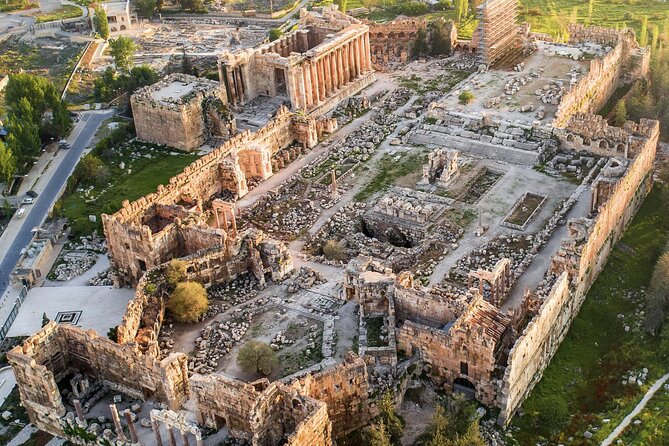
The Beqaa Valley day is the heavyweight of the tour. It joins monumental Roman remains with an Umayyad city and a winery, creating a strong mix of archaeology and present-day Lebanese culture.
The temples of Baalbek
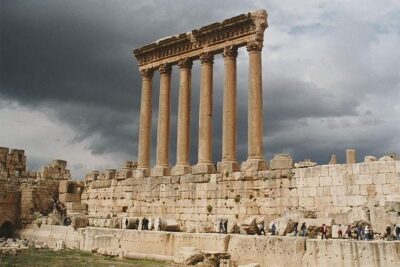
Baalbek was an ancient Phoenician city and later a major Roman religious center. The site includes temples dedicated to Jupiter, Bacchus, and Venus. It also reflects later Christian and Islamic use, so you are not looking at a single-period monument.
The Temple of Jupiter was the main structure in a huge sanctuary. Even in partial ruin, its scale is the point: massive columns and stonework make ordinary human proportions feel rather small. The Temple of Bacchus is especially well preserved and is dedicated to the Roman god associated with wine and leisure. The oval Temple of Venus was later converted into Saint Barbara church.
The overall Baalbek visit is scheduled for around two hours, with additional short stops at individual temples. A local guide is included here, which is valuable because the site is large and its story crosses several religions and empires. Admission information is presented separately for the temple areas, so confirm exactly which site tickets are covered when you receive your final arrangements.
Nearby, you see the Stone of the Pregnant Woman, also called the Hebla stone. Its name relates to an old fertility legend involving women touching the stone. The stop takes about 15 minutes and works as a quick add-on to the main ruins.
A shrine dedicated to Sayyida Khawla, the daughter of Imam Hussein and great-granddaughter of Prophet Muhammad, is also located near Baalbek. This gives the day a living religious dimension rather than making it only an archaeological outing.
Anjar’s Umayyad city plan
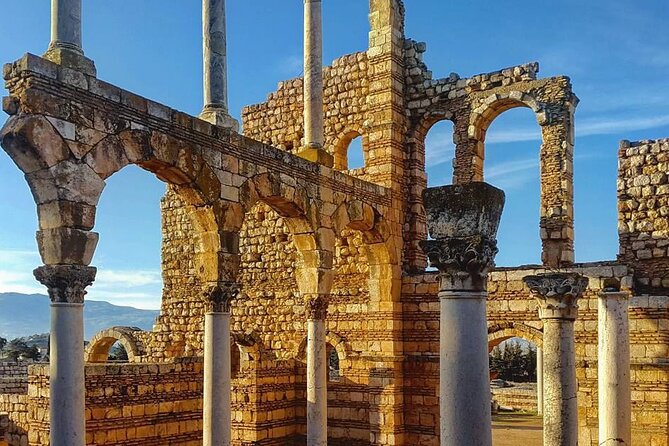
Anjar was founded by Caliph Walid I in the early eighth century. Unlike the sprawling feel of Baalbek, its ruins reveal a regular urban layout associated with Umayyad palace cities.
You have about an hour here, including the Umayyad ruins. The contrast is useful: Baalbek shows imperial Roman religious architecture, while Anjar helps explain early Islamic city planning. The two sites also make the day feel less repetitive than a schedule devoted only to Roman temples.
Chateau Ksara
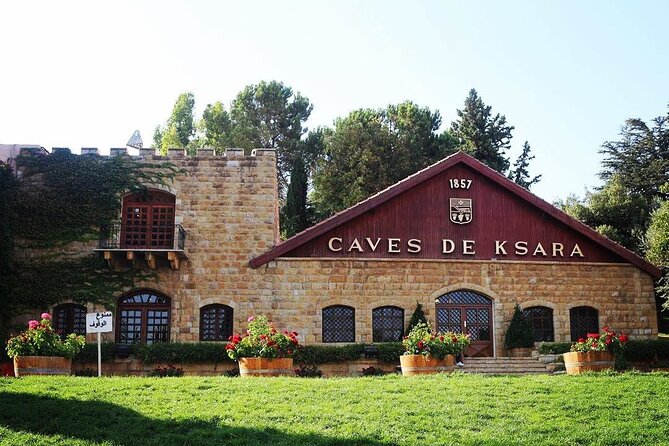
At Chateau Ksara, you tour winery caves and taste Lebanese wine from the Beqaa Valley. The caves help explain how wine is stored and preserved, while the tasting brings a social, modern note to a day filled with ancient stone.
The tasting is included, but dinner is not. If you prefer not to drink alcohol, the archaeological sites still carry the day, though the winery is an important part of the planned experience.
Day 4: Qadisha Valley, Bcharre, and the Cedars of God
The northern mountain day changes the mood completely. You leave behind the broad valley and coastal cities for highland villages, monasteries, cedar trees, and the work of Lebanese artist and writer Khalil Gibran.
Qadisha Valley and Saint Anthony
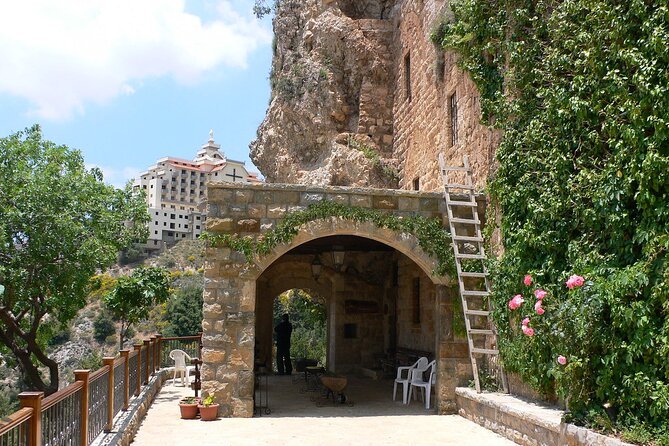
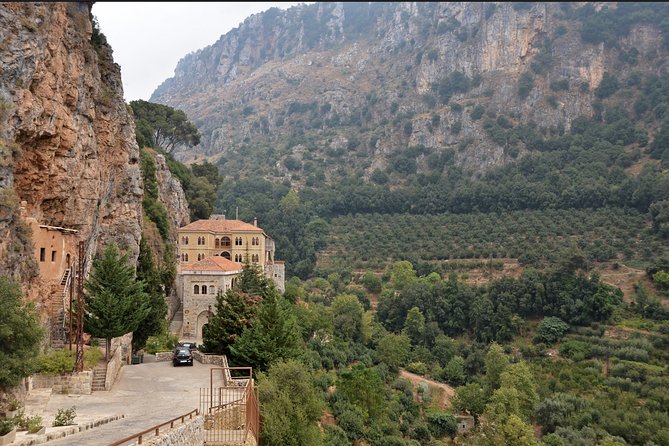
Qadisha is known as the Holy Valley because of its monasteries and long Christian pilgrimage tradition. It is included on the World Heritage list, and the visit focuses on its religious setting as much as its mountain scenery.
The Maronite Monastery of Saint Anthony the Great sits about 950 meters above sea level in the Valley of Kozhaya. Pine and oak cover the surrounding hills, while fruit trees grow along the valley. The program allows about an hour at the monastery, giving you more time here than at several of the short urban stops.
This is a day for quiet observation. You might find the monastery and valley more rewarding if you enjoy religious architecture and mountain walks. The itinerary does not promise a long hike, so do not book this expecting a strenuous trekking day.
Bcharre and the Gibran Museum
Bcharre is associated with Khalil Gibran, the Lebanese poet, painter, and sculptor. His museum contains 440 original paintings and drawings, along with furniture, personal belongings, manuscripts, and his tomb.
The museum visit lasts about 30 minutes. That is enough for a focused introduction, but art lovers may wish for more time. The stop works best when you see it as part of a wider portrait of Bcharre, not as a full museum afternoon.
The Cedars of God
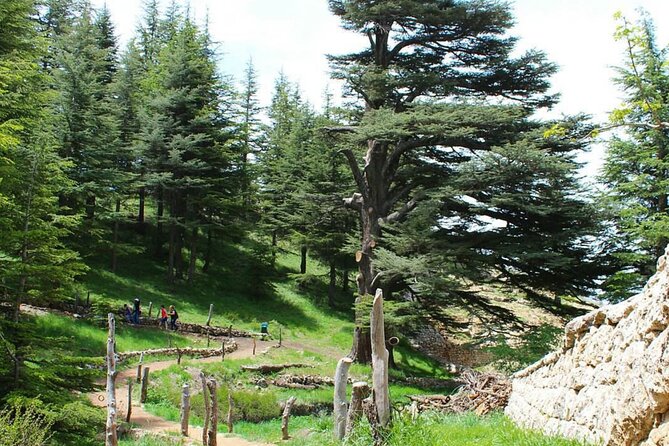
The Cedars of God are among the most memorable natural sights on the route. Cedar timber was prized by Egyptians, Romans, and Persians, and the surviving forest gives you a direct link to a tree that has long carried symbolic weight in Lebanon.
A 30-minute walking visit is planned. Wear comfortable shoes and expect the stop to be a gentle forest walk rather than a long trail excursion. The cedar grove is especially useful for breaking up the museums and monasteries with open air.
The drive back to Beirut makes this one of the more demanding days. The reward is variety: sacred valley, mountain village, art museum, monastery, and old cedar trees all in one outing.
Day 5: Sidon, Tyre, and Maghdouche
The southern day follows Lebanon’s Phoenician coast. It is a long program, but Sidon and Tyre offer different kinds of historical evidence, while Maghdouche adds another religious site.
Sidon’s sea castle and old town
Sidon was a major Phoenician port and is now Lebanon’s third-largest city. The Crusaders built its Sea Castle in 1228 on a small island connected by a stone bridge. The fortress reused Roman stones and columns, a common feature of Crusader construction.
You have about 30 minutes at the castle, followed by stops at Khan al-Franj, the Soap Museum, Debbane Palace, and the traditional souks. Khan al-Franj was built in the early 17th century as a place where merchants could trade cotton and silk, store goods, and rest. The Soap Museum occupies a restored 13th-century stone factory and explains the making of soap for regional hammams.
Debbane Palace shows Ottoman-era domestic architecture, including reception rooms, a long liwan, an inner courtyard, brown and white stonework, and mosaic tiles. These smaller sites help you see how people lived and traded, not only how rulers built monuments.
The Sidon portion lasts about two hours. It is a good place to slow down mentally, even though the schedule itself remains organized.
Tyre’s Roman scale
Tyre was known as the Queen of the Seas and founded colonies including Cadiz and Carthage. The archaeological remains are divided between the Al Bass site and the Al Jazira site.
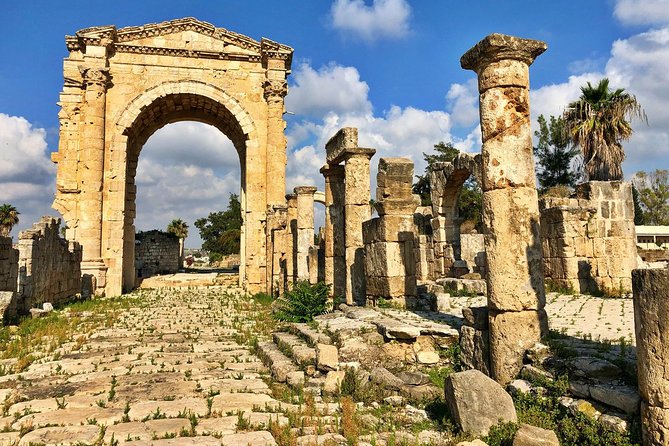
At Al Bass, you see a Roman triumphal arch, a funerary complex, and the hippodrome. The hippodrome is about 480 meters long and 90 meters wide, with room for roughly 40,000 spectators. It was built for chariot races in the second century AD.
The necropolis contains hundreds of stone and marble sarcophagi, along with collective tombs. Some still contain bones, so this is a stop for respectful attention rather than quick photographs.
The program gives Tyre about two hours, with separate half-hour visits to the hippodrome and necropolis. A local guide is included for Tyre, which helps with a site spread over large open areas. The tour also refers to Roman baths and a residential quarter at Al Jazira, though the detailed stop timings focus on Al Bass.
Maghdouche and Our Lady of Awaiting
The final major stop is Maghdouche, near Sidon. Its shrine is called Our Lady of Awaiting, or Mantara, because tradition says Mary waited in a grotto while Jesus preached with his students.
You have about an hour here. Like Harissa, this is both a religious site and a chance to see how sacred places remain part of daily Lebanese life.
Is $790 good value for this much Lebanon?
At $790 per person, the price is fair if you want a planned introduction rather than a self-drive trip. It includes five nights at a four-star hotel, airport pickup and drop-off, four small-group touring days, local guides at major sites, and breakfast plus selected lunches as specified by the operator.
The value comes from transport and coverage. In six days, you reach Byblos in the north, Baalbek and Anjar inland, Qadisha and Bcharre farther north, and Sidon and Tyre in the south. Arranging that network of day trips independently would require careful transport planning.
The package is not fully inclusive. Dinner is excluded, and the meal wording should be checked because breakfast and lunch are marked with optional notes in the inclusions. Entrance coverage is also presented differently at some stops, so ask what is included for each site before departure.
The fixed schedule also limits your freedom. You will not have much time to linger in Byblos, study every room of the Gibran Museum, or wander the southern souks without watching the clock. If you prefer slow travel, a private custom itinerary may suit you better.
Who will enjoy this tour most?
I would choose this trip if you want broad coverage, organized transport, and a first look at Lebanon’s main cultural sites. It suits someone who enjoys archaeology but also wants forests, wine, religious landmarks, markets, and coastal towns.
It is especially practical for a solo visitor or couple who does not want to arrange every transfer. The group cap of 15 keeps the experience smaller, while the four-star hotel provides a consistent base.
You should think twice if you dislike early starts, long road days, or returning to the same city each evening. The itinerary is full, and some stops are only 15 or 30 minutes. Most people can participate, according to the tour information, but the mountain visits and walking portions still call for sensible footwear and steady energy.
The cancellation terms are worth noting before payment. A full refund is available if you cancel at least six full days before the start time. A 50 percent refund applies two to six days before departure, while cancellations less than two full days ahead are nonrefundable.
Should you book this Lebanon tour?
Book it if you want one efficient sweep of Lebanon’s major sights with airport handling, hotel stays, and shared transport already arranged. Baalbek, Byblos, Qadisha, the Cedars of God, Sidon, and Tyre give the trip real range, while Chateau Ksara keeps the program from becoming an endless march through ruins.
The strongest practical reason to choose it is the support. Fatima is noted for fast answers and clear trip information, and guide Alex is praised for being responsible, accommodating, and cheerful. Those qualities matter when a packed six-day route depends on timing.
Skip it if your ideal holiday means long café lunches, unscheduled wandering, or several nights in different regions. This is a broad introduction, not a slow local stay. For a first visit with limited time, though, the mix of ancient sites, mountain culture, coastal history, and reliable transfers makes the $790 price a sensible choice.
FAQ
Where does the tour start?
The tour starts with pickup at Beirut-Rafic Hariri International Airport in Beirut, Lebanon.
How long is the experience?
The tour lasts approximately six days, with five nights of accommodation and four full-day guided outings.
How many people can join the small-group tours?
The activity has a maximum of 15 participants.
What accommodation is provided?
The package includes five nights at a four-star hotel in Beirut.
Are airport transfers included?
Yes. Round-trip airport transfers are included, with arrival pickup and departure transportation to the airport.
Which local guides are included?
Local guides are listed for Baalbek, Tyre, and Byblos. The tour also includes four joining small-group tours.
Are meals included?
Breakfast is included as specified, and lunch is listed with optional details. Dinner is not included, so confirm the exact meal arrangements before departure.
Just added in Beirut
- Wine Tasting Tour★ 5.0 · 2 reviews
- Lebanon tours vip jeitta byblos beirut we charge per vechile not per person.★ 5.0 · 1 review
- Lebanon’s Treasures: Jeita Grotto and Harissa Private Tour★ 5.0 · 2 reviews
- Small Group Tour to Baalbek, Anjar & Ksara with Hotel pickup★ 5.0 · 2 reviews
- Journey Through Time: A Private Tour of Tripoli and Byblos★ 5.0 · 1 review
- Guided Small-Group Tour to Baalbek, Cedars & Qozhaya with Lunch★ 5.0 · 2 reviews
- Small-Group Tour with Lunch to Sidon, Tyre & Maghdouche★ 5.0 · 2 reviews
- Small Group Tours from to Baalbek, Cedars and Qozhaya with lunch and all fees★ 5.0 · 1 review
Tours
Guided Small-Group Tour to Jeita, Harissa, Byblos with Lunch
Read our review →
Private Anjar and Baalbek Tour from Beirut with Departure Ticket
Read our review →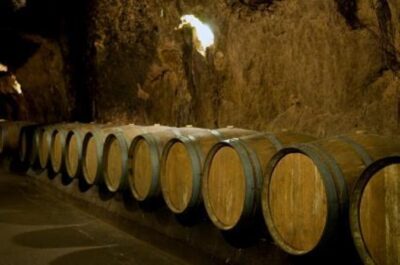
Guided Private Full Day Tour to Baalbek, Anjar and Chateau Ksara
Read our review →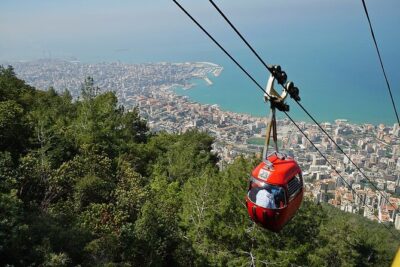
Semi-Private Tour to Jeita Grotto, Harissa & Byblos with Lunch
Read our review →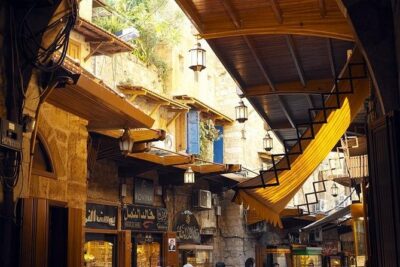
PRIVATE city Tour of authentic Tripoli and vibrant Batroun
Read our review →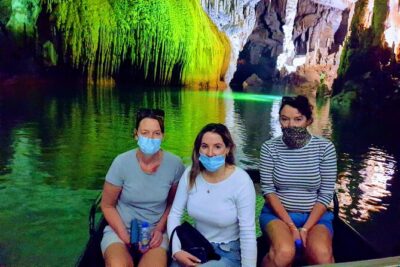
Private Guided Tour to Jeita Grotto through Harissa and Byblos
Read our review →