REVIEW · WINE TOURS
Wine Tasting and Culture
Roman temples and Lebanese wine make an excellent pair. This full-day trip from Beirut combines Baalbek’s colossal ruins with tastings at two Beqaa Valley wineries, giving you both a major cultural sight and a taste of Lebanon’s modern wine trade. I especially like the private transport and hotel pickup, and I like that the day includes time at Château Ksara and Château St Thomas rather than stopping at only one producer. The main drawback is that lunch and entrance fees are not included, so the $100 price is not quite the final cost.
The schedule runs for about eight hours, beginning at 8:30 a.m. You get an air-conditioned vehicle, private transportation, a professional guide, and a tour leader. Hassan, also listed as Hassane in guest feedback, receives particular praise for being courteous, helpful, and excellent at explaining Baalbek. One wine educator at Kefraya is also praised for explaining the science of making and tasting wine, though the stated winery route names Ksara and St Thomas, so I would confirm the exact stops before booking.
In This Review
- Five things to know before you go
- Why the Beirut to Beqaa route works
- Baalbek’s Roman temples in one and a half hours
- The Stone of the Pregnant Woman and Roman scale
- Château Ksara and Lebanon’s wine tradition
- Château St Thomas and the Beqaa Valley vineyards
- What the $100 price includes
- How the day may feel in practice
- Who should book this experience?
- Should you book the Baalbek and wine tour?
- FAQ
- What time does the tour start?
- How long does the experience last?
- Is hotel pickup included?
- Is this a private tour?
- What transportation is provided?
- Is lunch included?
- Which wineries are included?
- Are admission fees included?
- Can you cancel for a full refund?
Five things to know before you go
- Baalbek is the day’s major cultural sight: You visit the Roman temple complex, including the Temple of Bacchus and the Temple of Jupiter, a UNESCO World Heritage site since 1984.
- The tour is private: Only your group takes part, which makes the long drive and sightseeing pace easier to manage.
- Wine comes from the Beqaa Valley: The route introduces you to Lebanese producers in one of the country’s best-known wine regions.
- The Stone of the Pregnant Woman is a quick but memorable stop: This huge Roman block helps you understand the scale of the construction at Baalbek.
- Budget extra for lunch and admissions: The tour includes transport and guiding, but not your meal or the listed entrance charges.
- Confirm the winery schedule: Château St Thomas is assigned about one hour, while Château Ksara is shown with only one minute, which may be an entry error or a very brief stop.
Why the Beirut to Beqaa route works
Leaving Beirut for the Beqaa Valley gives the day a clear rhythm. First comes the long cultural chapter at Baalbek. Then the mood shifts to wine, tasting, and questions about grapes, production, and Lebanese food traditions.
That balance is the main reason I like this experience. Baalbek can be visually overwhelming, with massive columns, carved stone, and broad ceremonial spaces. Wine gives you a quieter way to connect with the region after the ruins. You are not simply checking off an ancient monument, then returning to Beirut. You are also learning how the Beqaa supports a very different part of Lebanon’s identity.
The private setup matters here. An eight-hour day can feel tiring when you are tied to a large group, but private transportation lets your own party share the vehicle. Hotel pickup and drop-off also remove the need to arrange a separate taxi to an early meeting point.
The tour begins at 8:30 a.m., so plan for a full morning and afternoon away from Beirut. The exact driving time is not provided, but the route covers Beirut, Baalbek, and two wineries, so this is not a short local outing.
More wine tasting in Beirut:
- Lebanon Wine Tasting Tour From Beirut
★ 4.5 · 25 reviews - PRIVATE Tour of Baalbek Temples, Umayyad Anjar & Ksara Winery
★ 5.0 · 12 reviews - Anjar, Baalbek & Ksara Winery
★ 5.0 · 11 reviews
Baalbek’s Roman temples in one and a half hours
Baalbek is the strongest part of the day for anyone interested in ancient architecture. The site was known as Heliopolis during the Hellenistic period and continued as a major religious center under Rome. Its sanctuary honored a Romanized version of a Phoenician religious triad: Jupiter, Venus, and Bacchus.
The Temple of Jupiter and the Temple of Bacchus are the main attractions. Their scale is the point. Baalbek was built over more than two centuries, and its surviving blocks show the ambition of Imperial Roman construction at its height.
You are scheduled to have about one hour and thirty minutes at Baalbek. That is enough for a focused visit, especially with a guide who can explain what you are looking at. It is not a leisurely archaeological study session, so keep your attention on the major structures and the story behind them.
I would pay close attention to the Temple of Bacchus. It is one of the best-preserved Roman temples in the complex, and its size makes it easier to imagine the sanctuary as an active place of worship rather than a collection of ruins. The Temple of Jupiter gives you the grander sense of scale, even though time and history have left it less complete.
One practical point: admission to the temple complex is listed as not included. The tour description also lists a free admission entry for the broader Baalbek stop, which is confusing. Ask the operator exactly which site tickets are covered and which you must pay on the day.
The guide can make a major difference here. Hassan, also called Hassane, is praised for giving extensive information and for being helpful throughout the day. A local guide at Baalbek is also credited with explaining the site well. That is useful because the ruins are impressive even without context, but their meaning becomes much clearer when someone explains the Phoenician roots, Roman changes, and religious purpose.
The Stone of the Pregnant Woman and Roman scale
The Stone of the Pregnant Woman takes only about 15 minutes, but it earns its place on the route. This worked Roman monolith is among the largest ancient quarried stone blocks, along with another huge block nearby.
The stone was likely intended for the Roman temple complex. Its value is not in decoration. It shows the physical challenge behind Baalbek’s construction. After seeing the temples, you can look at this block and better understand how much labor, planning, and engineering went into moving material of such size.
Do not expect a long visit here. The stop is brief, so use it as a visual punctuation mark between the main archaeological visit and the wineries. If you enjoy ancient engineering, this may be one of the day’s most memorable details.
Château Ksara and Lebanon’s wine tradition
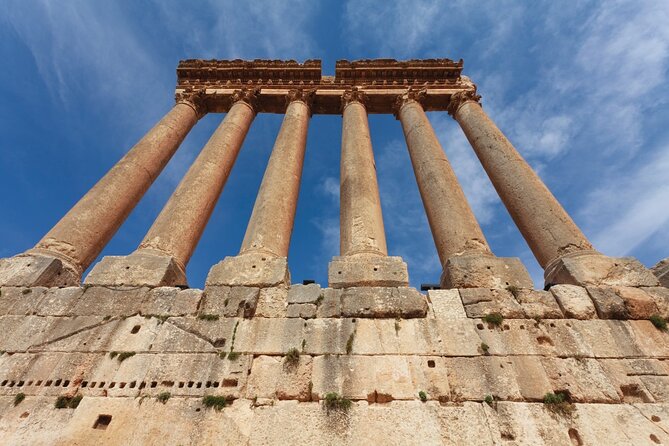
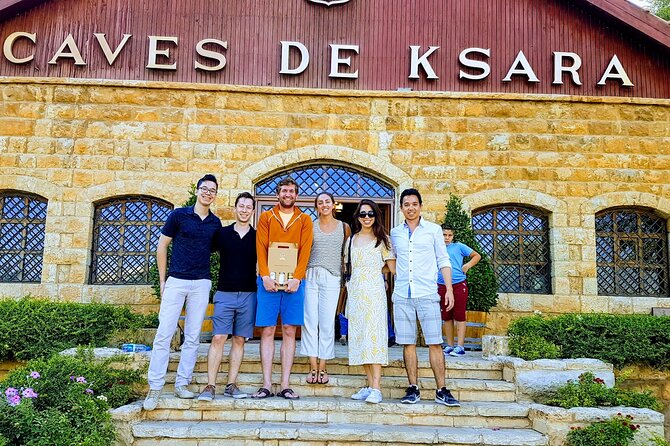
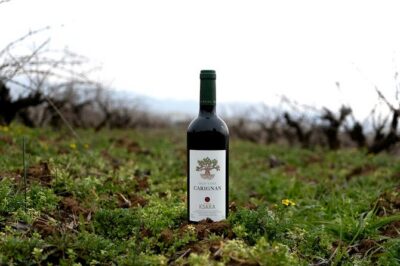
Château Ksara traces its beginnings to 1857, when Jesuit priests established the winery. It later developed Lebanon’s first dry wine and now produces about three million bottles each year. Its wines are exported to more than 40 countries.
Those facts give the tasting more weight. You are not visiting a small producer with only local reach. You are seeing one of Lebanon’s established wine companies, with a history that links religious institutions, agriculture, and commercial winemaking.
The stated time for Château Ksara is one minute, which is too short for a meaningful winery visit or tasting. I would treat this as a scheduling detail that needs clarification, not as a promise of a one-minute experience. The overall description says you visit two wineries and taste different Lebanese wines, but the listed timing does not explain how long you spend at Ksara.
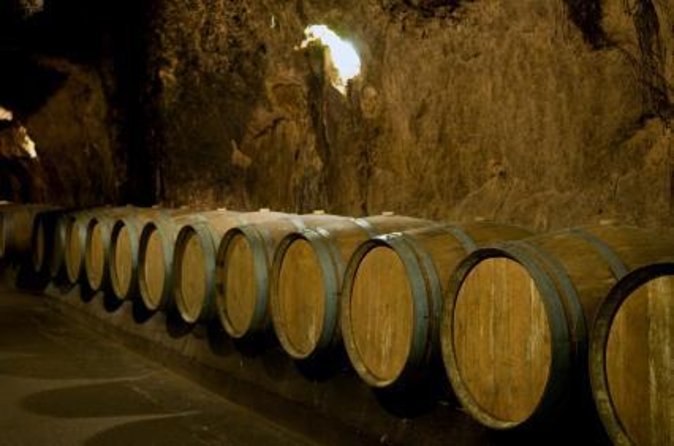
Ask before departure whether the stop includes a cellar tour, tasting, or simply a brief photo or orientation stop. That small check can prevent disappointment, especially if wine is the main reason you are considering the tour.
A completely different kind of day out:
- Guided Small-Group Tour to Baalbek, Anjar and Ksara with Lunch
★ 5.0 · 511 reviews - Guided Small-Group Tour to Jeita, Harissa, Byblos with Lunch
★ 5.0 · 361 reviews - Paragliding Trip Over Lebanon – Jounieh Bay
★ 5.0 · 257 reviews - Jeita Grotto,Harissa&Byblos Full-Day PRIVATE-CAR Trip from Beirut
★ 5.0 · 222 reviews
Château St Thomas and the Beqaa Valley vineyards
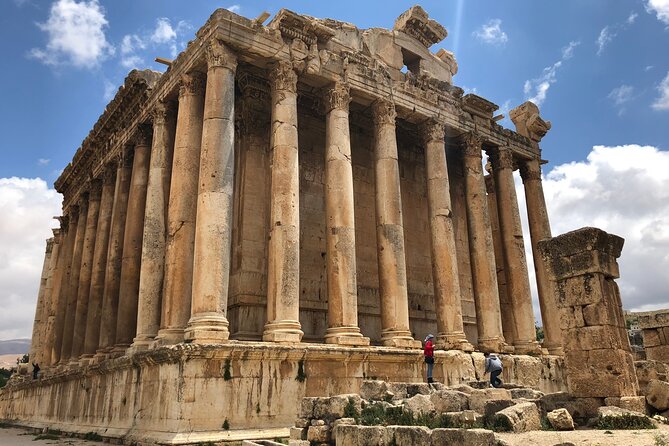
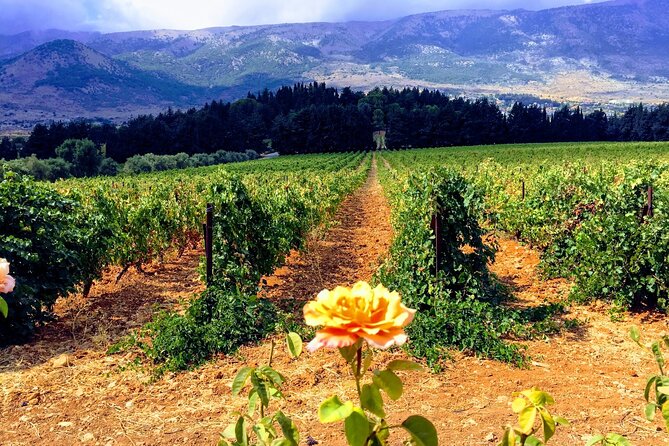
Château St Thomas was founded in 1990 on a hill overlooking the Beqaa Valley. The winery credits the fertile soil of the valley for helping it produce high-quality wine.
The stated visit lasts about one hour, giving this stop a more substantial role than the Ksara entry suggests. You should have more time here to understand the winery and taste several wines, although the exact tasting list and cellar activities are not specified.
The Beqaa setting also helps connect the glass in front of you with the wider region. The wine is not an isolated product brought into Beirut for tourists. It comes from an agricultural valley with its own climate, soil, and long connection to farming.
The best approach is to ask questions. Find out which grapes you are tasting, how the wines differ, and whether the bottle is intended for everyday drinking or longer aging. The staff member credited with explaining the scientific process of winemaking and tasting offers the sort of detail that can turn a pleasant tasting into a useful one.
There is a possible name issue here. One account gives special thanks to Kefraya for the wine explanation, while the stated route lists Ksara and St Thomas. Since Kefraya is another well-known Beqaa wine name but is not listed as one of the two scheduled wineries, confirm the final route if a particular producer matters to you.
What the $100 price includes
At $100 per person, this is not the cheapest way to see Baalbek. It can still be a fair deal if you value convenience and private transport.
The price includes:
- Air-conditioned vehicle
- Private transportation
- Hotel pickup and drop-off
- Tour leader
- Professional guide
- A full day combining Baalbek and two winery visits
For a private group, the value improves. You do not have to arrange transport across a long route, navigate the day yourself, or find separate guides for the ruins and wineries. Group discounts may also be available, so the per-person cost could work better for a larger party.
The price does not include lunch. One account praises the place used for lunch, but the meal itself is not part of the listed inclusions. Bring enough money for food, drinks, and any entrance charges.
The Baalbek admission details also need checking because the information gives both free and not-included entries for different parts of the stop. Winery admission is listed as not included as well. The safest budget is $100 plus lunch and any required site or tasting fees.
How the day may feel in practice
This is a busy day, but not an overloaded one. Baalbek receives roughly three hours across the general site and temple-complex entries, followed by a short monolith stop and two winery visits.
The private vehicle is important after several hours of sightseeing. Guest feedback describes the car as comfortable, and the air conditioning should be welcome during a long day on the road.
The day also depends on your interests. If you want a slow, technical wine education, the schedule may feel too broad. If you want a first introduction to Lebanese wine combined with one of Lebanon’s essential historic sites, the mix works well.
A private group can also make the experience more personal. You can ask Hassan or the other guide to spend more time on Roman religion, Phoenician traditions, architecture, or wine production, depending on what interests you. The tour leader has been praised for making the day easy and for taking care of practical needs.
Who should book this experience?
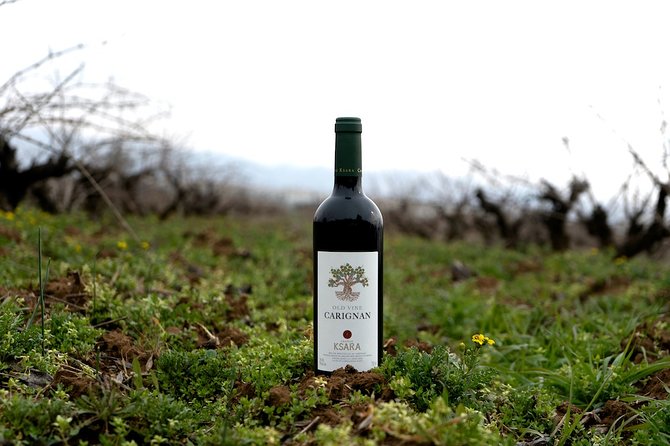
I would recommend it to you if you are staying in Beirut and want to see Baalbek without arranging a separate driver. It suits couples, families, and small groups who want a private day with a guide rather than a basic transfer.
It is especially good for people who enjoy combining subjects. You get ancient temples, a major archaeological site, an unusual Roman building stone, and Lebanese wine in one outing.
It may not suit you if you want a slow visit at Baalbek or a serious winery program with long tastings at each producer. The schedule is broad, and the published timing for Château Ksara needs clarification.
You should also consider your group’s interest in wine. This is not simply a Baalbek day with a token tasting. Two wineries are a central part of the experience, so everyone should be comfortable spending part of the afternoon on wine production and tasting.
Should you book the Baalbek and wine tour?
I would book this tour if private transport, hotel pickup, and a guided visit to Baalbek are worth paying for. The combination is unusual and useful: you see one of Lebanon’s greatest Roman sites, then connect the Beqaa Valley to its modern wine industry.
Before paying, I would ask three direct questions: Which entrance fees are included? Is lunch arranged or simply recommended? How long will you actually spend at Château Ksara, and is Kefraya part of the final route?
If those details are confirmed, the $100 price offers solid convenience for a full private day. The strongest reasons to go are the well-praised guides, comfortable vehicle, and clear mix of culture and wine. The main caution is that the published stop times and admission notes are not fully clear.
FAQ
What time does the tour start?
The tour starts at 8:30 a.m.
How long does the experience last?
The full experience lasts approximately eight hours.
Is hotel pickup included?
Yes. Hotel pickup and drop-off are included.
Is this a private tour?
Yes. Only your group participates in the private activity.
What transportation is provided?
The tour includes private transportation in an air-conditioned vehicle.
Is lunch included?
No. Lunch is not included in the tour price.
Which wineries are included?
The stated route includes Château Ksara and Château St Thomas. The tour description says you will taste different kinds of Lebanese wine at two wineries.
Are admission fees included?
Winery admission is listed as not included. The Baalbek information gives both a free admission entry and a not-included temple-complex entry, so you should confirm the exact fees before departure.
Can you cancel for a full refund?
Yes. You can cancel at least 24 hours before the local start time for a full refund. Cancellations or changes made less than 24 hours before the start time are not refunded or accepted.
More Food and Drink in Beirut
- PRIVATE Wine Tasting Tour to the Bekaa Valey Fabulous Wineries
★ 5.0 · 7 reviews - Full-Day Private Wine Tasting Tour
★ 5.0 · 6 reviews - Wine Tasting Tour
★ 5.0 · 2 reviews - Private Wine Tasting Day Tour from Beirut
★ 5.0 · 1 review
Just added in Beirut
- Wine Tasting Tour★ 5.0 · 2 reviews
- Lebanon tours vip jeitta byblos beirut we charge per vechile not per person.★ 5.0 · 1 review
- Lebanon’s Treasures: Jeita Grotto and Harissa Private Tour★ 5.0 · 2 reviews
- Small Group Tour to Baalbek, Anjar & Ksara with Hotel pickup★ 5.0 · 2 reviews
- Journey Through Time: A Private Tour of Tripoli and Byblos★ 5.0 · 1 review
- Guided Small-Group Tour to Baalbek, Cedars & Qozhaya with Lunch★ 5.0 · 2 reviews
- Small-Group Tour with Lunch to Sidon, Tyre & Maghdouche★ 5.0 · 2 reviews
- Small-Group Tour Qadisha Valley, Becharre and Cedars with Lunch and Tickets★ 5.0 · 1 review
Wine Tours
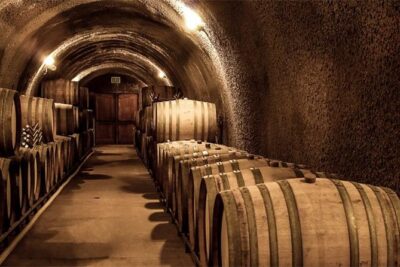
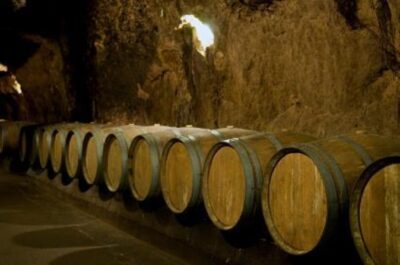
PRIVATE Tour of Baalbek Temples, Umayyad Anjar & Ksara Winery
Read our review →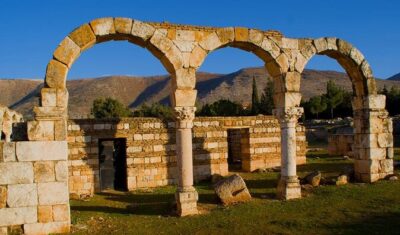
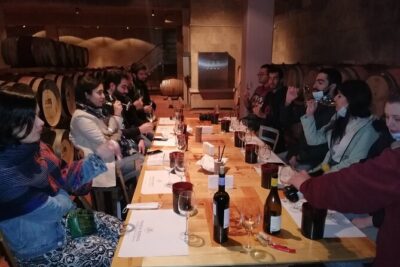
PRIVATE Wine Tasting Tour to the Bekaa Valey Fabulous Wineries
Read our review →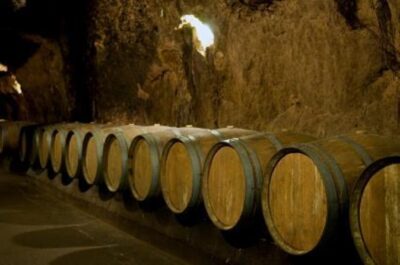
Journey Through Lebanese Wine: A Private Tour in the Beqaa Valley
Read our review →
Lebanese wineries guided tour with tastings & lunch
Read our review →