REVIEW · WINE TOURS
Lebanese wineries guided tour with tastings & lunch
Lebanon pours its past into every glass. This full-day private tour takes you from Beirut into the Bekaa Valley, where generations of winemakers produce red, white, and rosé wines beside some of the country’s best-known cellars. I like the private transport from Beirut and the chance to combine winery visits with craft beer, arak, and a Lebanese meal. I also like that the tour gives you more than a tasting counter, with guided visits through caves, vineyards, and production spaces.
The main point to check is the exact route. The description names Château Ksara and Château Kefraya, while the detailed schedule lists Kefraya, Château Rayak, and Château St Thomas. A past tour also included Colonel Brewery, Phoenix Winery, and Ixsir. Ask for the confirmed stops before booking, and clarify where lunch will be served.
In This Review
- Key points at a glance
- From Beirut to the Bekaa Valley
- Why the Bekaa Valley matters to Lebanese wine
- Château Kefraya: the main opening stop
- Château Rayak and the smaller-producer contrast
- Lebanese lunch: a welcome pause with one question to ask
- Château St Thomas and the final tasting
- Wine, craft beer, and Lebanese arak
- What the $140 price really covers
- Who will enjoy this day most
- Practical advice before you book
- Should you book the Lebanese wineries tour?
- FAQ
- Where does the Lebanese winery tour begin?
- How long does the experience last?
- What is the tour price?
- Which wineries are included?
- Is Château Kefraya included?
- Is lunch included?
- Where is lunch served?
- Is craft beer part of the experience?
- Is Lebanese arak included?
- Is the tour private and guided in English?
- Can I cancel the booking?
- Can I reserve now and pay later?
Key points at a glance
- Bekaa Valley wine country: Leave Beirut for Lebanon’s main wine-producing area and learn how the country’s ancient wine tradition continues today.
- Several tasting styles: Expect wine tastings, plus Lebanese arak and craft beer as part of the wider food-and-drink theme.
- Kefraya’s 1.5-hour visit: This is the longest listed stop, with a guided tour and tasting.
- Small and large wineries: The route can contrast intimate producers with major estates and impressive winery buildings.
- Traditional Lebanese lunch: Lunch is included, but its exact location should be confirmed in advance.
- Private English-language touring: Hotel pickup, admission fees, transport, and a live English-speaking guide are included.
From Beirut to the Bekaa Valley
Your day begins with hotel pickup in Beirut. That matters here. The Bekaa Valley is not a practical place to explore by public transport if you want several wineries in one day, and a private vehicle lets you focus on the scenery and tastings instead of road directions.
The tour lasts one day and returns to Beirut. You should expect a full schedule, with three winery visits listed at roughly one to one and a half hours each, plus lunch and driving time. The exact departure hour depends on availability, so check the start time before you commit to other plans that evening.
The drive also adds a useful local layer to the day. The chauffeur on one recorded tour was praised for explaining Beirut and pointing out places along the way. That is a nice touch, since the day is not only about wine. You get a moving introduction to Lebanon before reaching the vineyards.
The experience is offered as a private group, so you are not folded into a large coach party. That can make the day easier to shape around your pace, questions, and interests. It also makes the $140 price more understandable, since the fee includes private transport, hotel pickup and return, winery admission, tastings, a brewery admission, and lunch.
More wine tasting in Beirut:
- Lebanon Wine Tasting Tour From Beirut
★ 4.5 · 25 reviews - PRIVATE Tour of Baalbek Temples, Umayyad Anjar & Ksara Winery
★ 5.0 · 12 reviews - Anjar, Baalbek & Ksara Winery
★ 5.0 · 11 reviews
Why the Bekaa Valley matters to Lebanese wine
Lebanon is considered one of the oldest wine-producing areas in the world. The Phoenicians, based along the country’s coast, helped spread wine and grape growing across the Mediterranean in ancient times.
That long story gives the tour more weight than a simple afternoon of sampling. You are tasting products from a country where winemaking has survived wars, political upheaval, and difficult economic conditions. Lebanon now produces about 600,000 cases of wine each year, and the number of wineries has grown from five in 1998 to more than 30.
You do not need to be a wine expert to enjoy this context. The useful question is not only which bottle tastes best. It is how a country with a small wine industry has built an international reputation, and how old methods and newer investment now sit side by side.
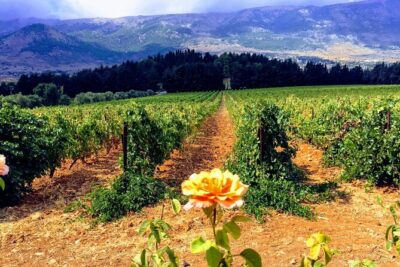
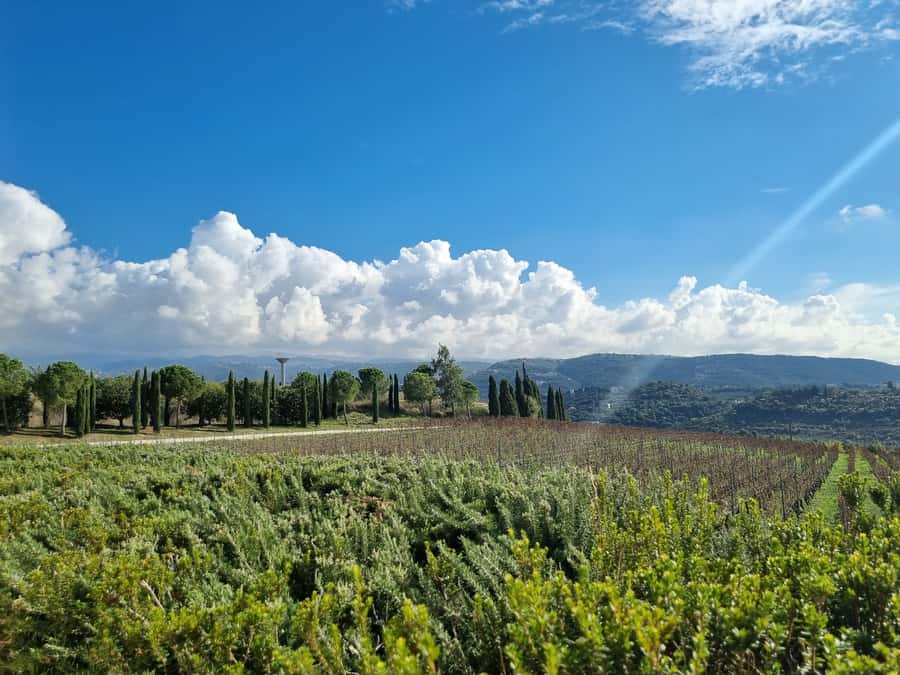
The Bekaa Valley is the natural setting for that story. The tour description points to vineyards, underground caves, and large winery properties. Bring a light layer, even on a warm day, since cave areas can feel cooler than the outdoor sections.
Château Kefraya: the main opening stop
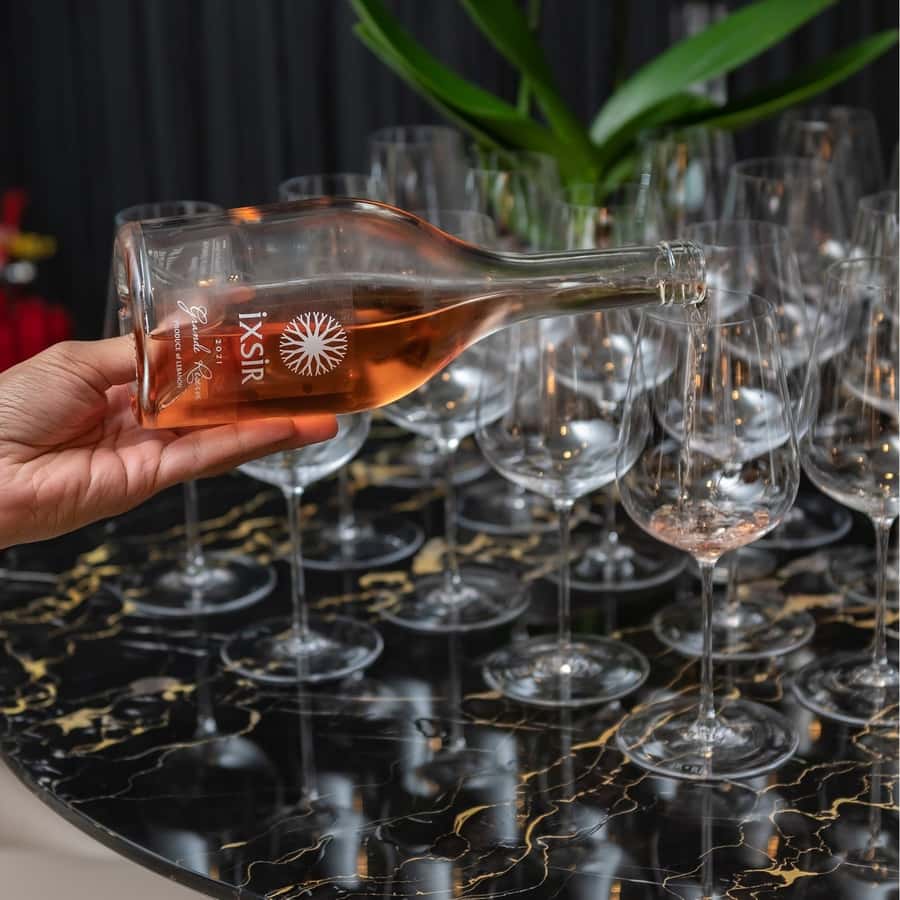
Château Kefraya is listed as the first winery visit, with about one and a half hours for the guided tour and tasting. Since it receives the longest time allocation, it is likely to be the day’s main introduction to Lebanese wine.
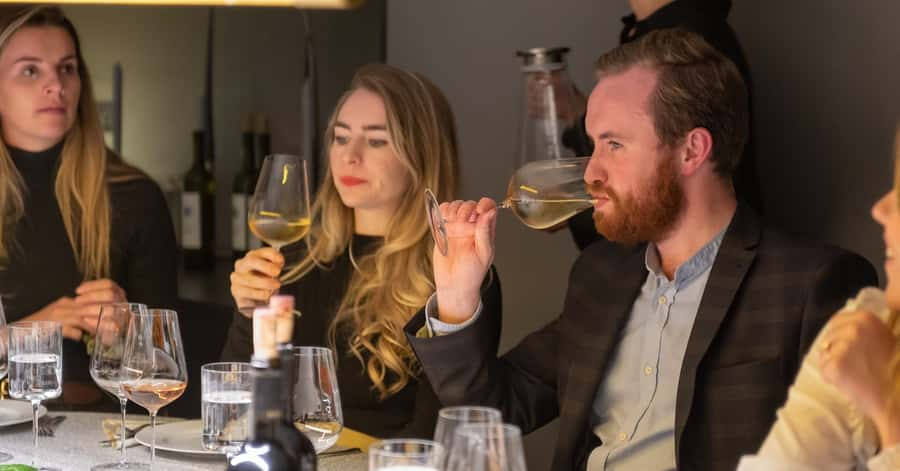
A proper visit here should give you more than a row of poured glasses. You can expect an explanation of the winemaking process, a look at the winery or vineyard setting, and a tasting of different styles. The tour focuses on Lebanese red, rosé, and white wines, so this is a good place to compare how the country handles each category.
I like the way this stop sets up the rest of the day. You begin with the basic vocabulary of local wine, then have a better chance of noticing differences at the later producers. If you normally order only one kind of wine, use this first tasting to sample across the range.
The exact tasting selection is not specified, so do not arrive expecting particular grapes or vintages. Wine offerings can change. The value is in the guided comparison and the chance to ask questions in English, not in a guaranteed bottle list.
Château Rayak and the smaller-producer contrast
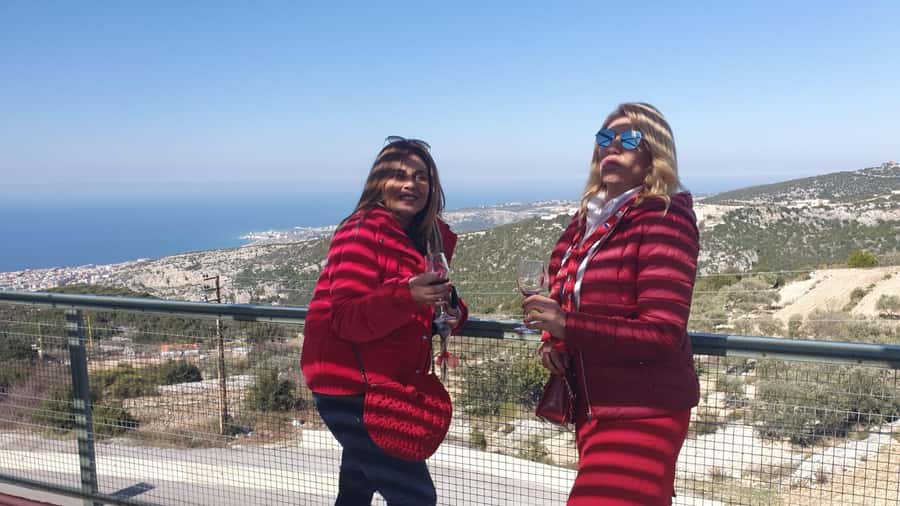
The detailed route gives Château Rayak about one hour for a guided tour and tasting. This stop can provide a useful change of scale after Kefraya.
A previous version of the day included Phoenix Winery, described as a smaller operation where the story was delivered with clear passion. That detail is worth keeping in mind because the route may vary. A smaller winery can feel more personal, while a large estate may offer more polished visitor facilities and a broader production story.
If Château Rayak is your confirmed stop, ask how its visit differs from Kefraya. You will get more from the day if each tasting has a distinct purpose. For example, one stop might focus on caves and storage, while another may emphasize the vineyard or family background.
The one-hour timing is enough for a focused visit, but it is not an extended winery workshop. If you want technical explanations about fermentation, aging, or grape varieties, ask questions early rather than waiting until the final tasting.
A completely different kind of day out:
- Guided Small-Group Tour to Baalbek, Anjar and Ksara with Lunch
★ 5.0 · 511 reviews - Guided Small-Group Tour to Jeita, Harissa, Byblos with Lunch
★ 5.0 · 361 reviews - Paragliding Trip Over Lebanon – Jounieh Bay
★ 5.0 · 257 reviews - Jeita Grotto,Harissa&Byblos Full-Day PRIVATE-CAR Trip from Beirut
★ 5.0 · 222 reviews
Lebanese lunch: a welcome pause with one question to ask
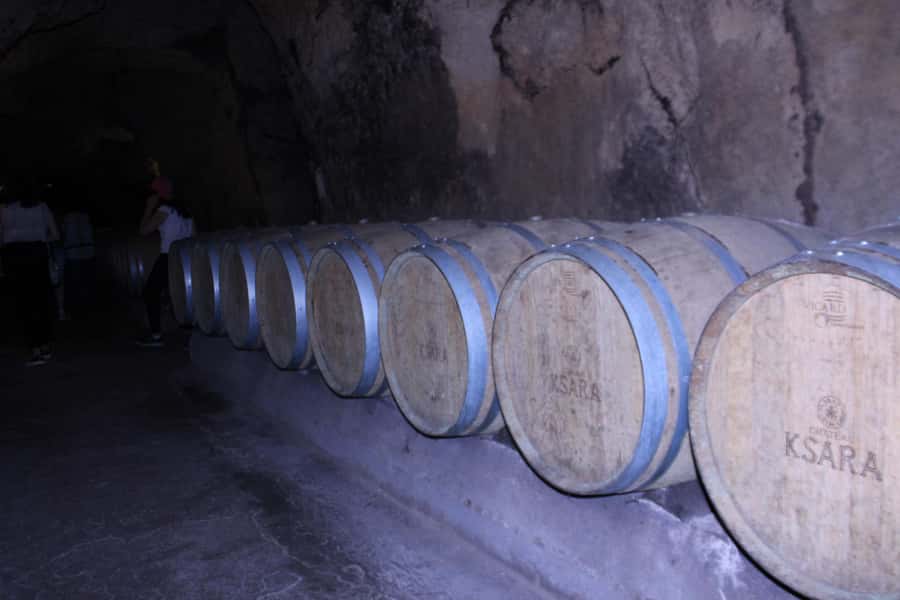
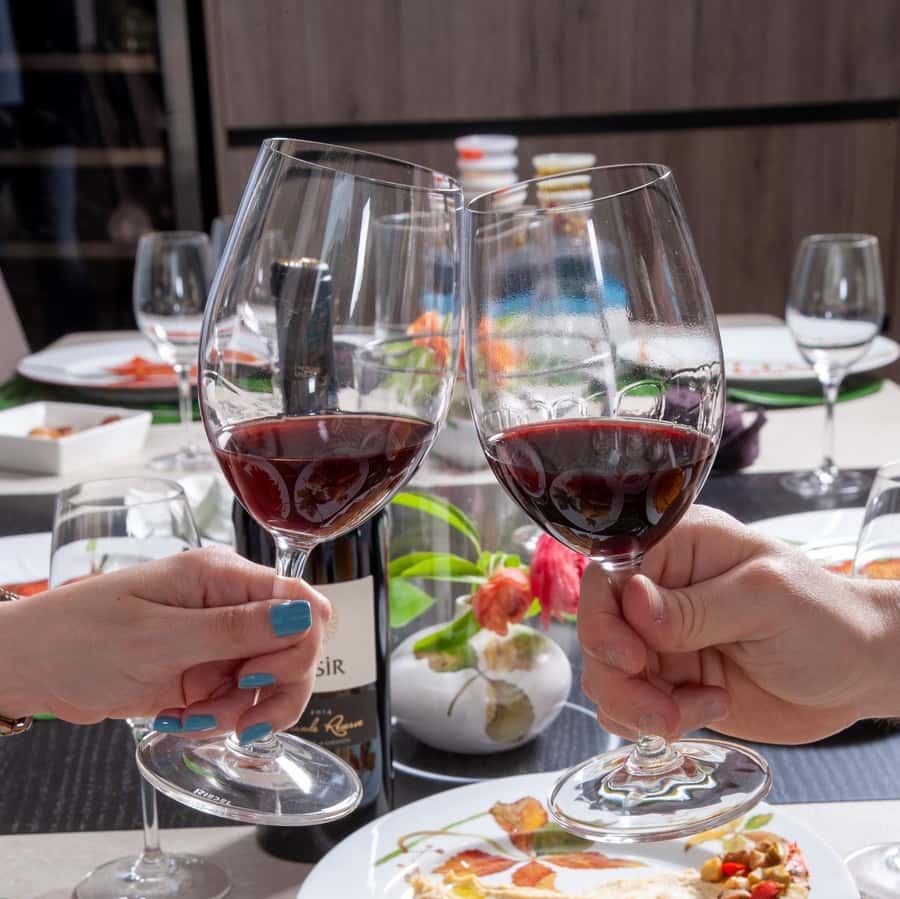
Lunch is included and described as a traditional Lebanese meal at a local restaurant. After a morning of driving and tasting, this break is important. Food gives you time to reset, and Lebanese cooking provides a natural match for the wines.
You should confirm the lunch location before departure. On one tour, lunch was not served at the winery where it appeared possible to eat. That was the main disappointment in an otherwise positive day. The issue was not that lunch was missing, but that the location did not match expectations.
This is an easy thing to prevent. Ask whether lunch will be at a local restaurant, one of the wineries, or another venue. Also ask what kind of meal is included if you have dietary needs. The supplied information confirms Lebanese lunch, but it does not give a menu or dietary details.
Do not treat lunch as filler. It is part of the cultural value of the tour. Lebanese food helps you understand why wine is often served alongside generous shared dishes, rather than treated as a stand-alone tasting exercise.
Château St Thomas and the final tasting
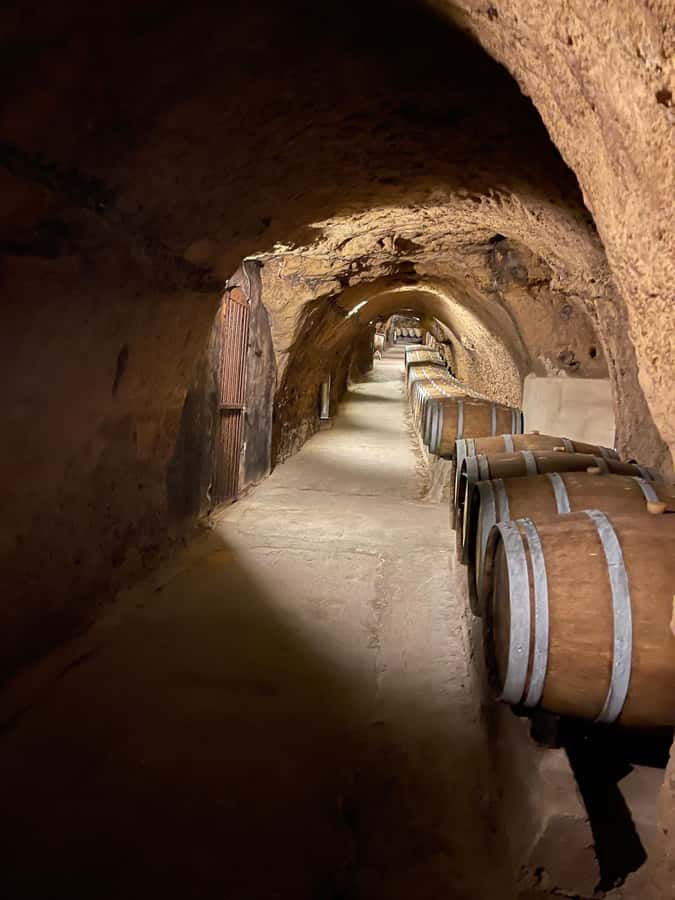
The final scheduled winery is Château St Thomas, with about one hour for a guided visit and tasting. Ending at a third winery gives you a chance to compare the day’s styles while the earlier explanations are still fresh.
The description of the route also refers to Château Ksara and Château Kefraya as major destinations in the West Bekaa. Because the detailed stop list names St Thomas instead of Ksara, confirm which winery is included on your date. Château Ksara is one of Lebanon’s best-known names, but you should not assume it is part of every departure.
A past route included Ixsir, described as a large winery in a striking building. That stop may be part of a different version of the experience, not a guaranteed feature of this one. The same applies to Colonel Brewery and Phoenix Winery.
This changing mix is not automatically a flaw. It may reflect availability, season, or the operator’s current partnerships. Still, the distinction matters if you are choosing the tour for one particular winery. Ask for the names of all confirmed stops before paying.
Wine, craft beer, and Lebanese arak
Wine is the center of the day, but the experience also includes other Lebanese drinks. You may taste craft beer, Lebanese arak, and the drink sometimes called white milk because of arak’s cloudy appearance when water is added.
The brewery element gives the day a broader view of local drinks. Colonel Brewery was praised for its attractive overall concept and interesting visit. If Colonel is included on your date, it adds a welcome change from cellar-to-cellar tasting.
Arak is especially important to Lebanese food culture. It is traditionally associated with anise, and its cloudy appearance after dilution explains the white milk nickname. The supplied tour information confirms arak as part of the theme, but it does not promise a separate arak tasting at every stop. Ask how it will be served and where it fits into the schedule.
You should also pace yourself. With several wineries, beer, and arak in the program, this is not a day for rushing through every glass. Taste thoughtfully, eat lunch, and use the guide’s advice. The private format makes it easier to say that you prefer smaller pours or more time with one style.
What the $140 price really covers
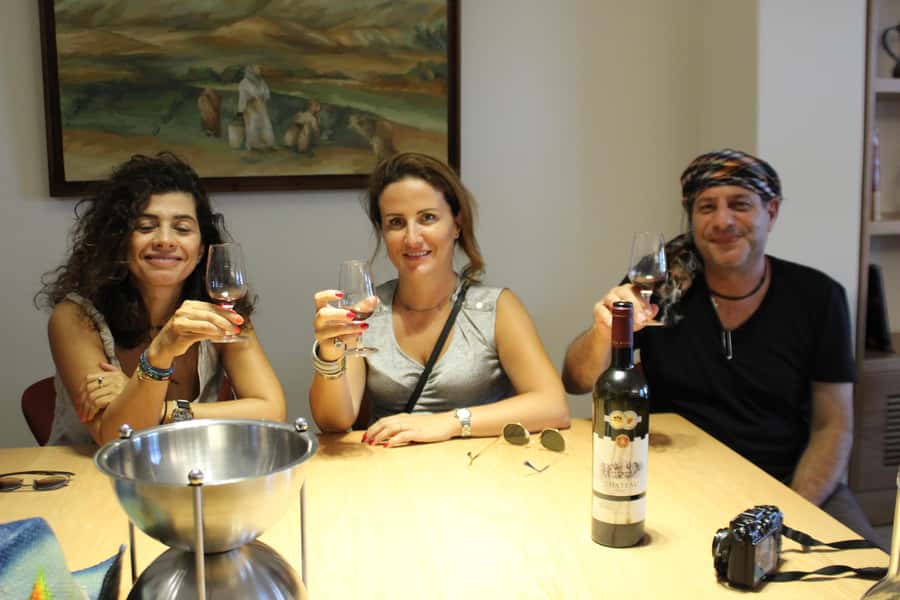
At $140 per person, the tour is not the cheapest way to see one Lebanese winery. It becomes better value if you want several stops without arranging transport, admissions, tastings, and lunch separately.
The price includes:
- Hotel pickup and drop-off in Beirut
- Transport for the day
- Winery admission fees
- Brewery admission fees
- Wine tastings
- Lebanese lunch
- A live English-speaking guide
- A private group arrangement
That package removes several practical headaches. You do not need to find a driver for the Bekaa Valley, calculate separate entrance fees, or decide how to return after tasting wine. For a private group, the cost can be reasonable, especially when shared among several people.
The value is weaker if you only care about one famous winery or want a slow, specialist wine course. Three listed winery visits, lunch, and the drive make this a broad introduction rather than a relaxed single-estate experience.
The tour also offers free cancellation up to 24 hours before departure and a reserve-now, pay-later option. These terms give you some flexibility, though you should still confirm the exact route and starting time before booking.
Who will enjoy this day most
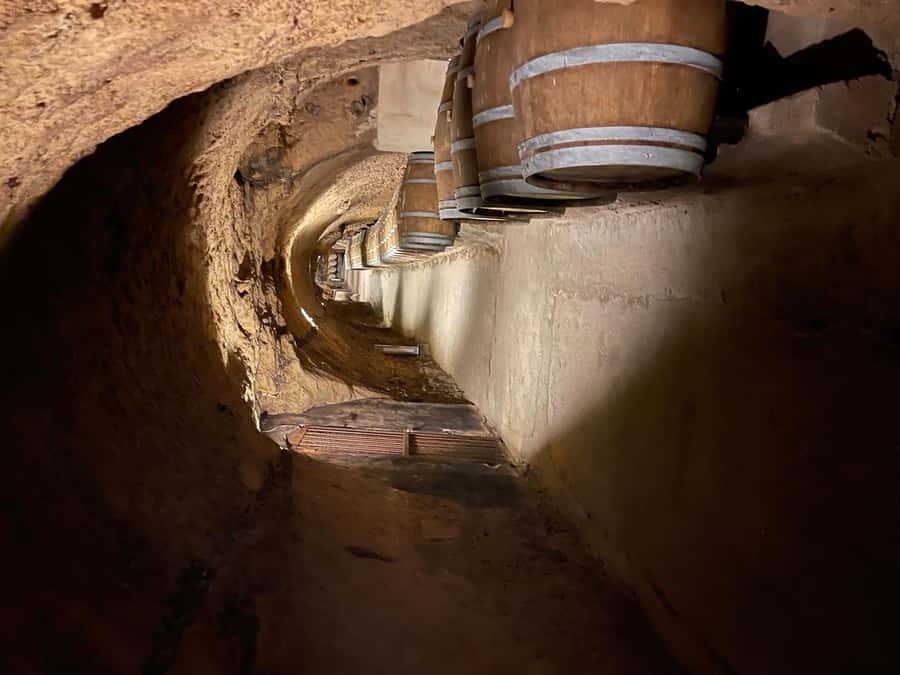
I would recommend this experience to you if you want an easy introduction to Lebanese wine and prefer a private day outside Beirut. It suits couples, families with adult members, and small groups who want transport and meals arranged in advance.
It is also useful for people who enjoy variety. You are not limited to wine alone, since beer and arak may be part of the day. The mix of large wineries, smaller producers, caves, vineyards, and Lebanese food gives you a wider view of local drinking culture.
You may want another kind of experience if you are a serious wine collector seeking detailed information about specific vintages. The available description does not promise a sommelier, a technical blending workshop, or a fixed list of bottles.
It may also disappoint you if one particular winery is your main reason for booking. The named stops are not fully consistent, so confirm the schedule in writing. That simple step can turn a vague promise into a day that matches your expectations.
Practical advice before you book
Ask these questions before confirming:
- Which three wineries are operating on my date?
- Is Château Ksara included, or is it replaced by Château Rayak or Château St Thomas?
- Is Château Kefraya definitely part of the route?
- Is Colonel Brewery included?
- Where exactly will lunch be served?
- How long will the drive from Beirut take?
- Are wine, beer, and arak all included, or only available at selected stops?
Wear comfortable shoes for winery and vineyard visits. The tour includes caves and outdoor areas, so practical clothing is more useful than dressing for a formal tasting room.
Keep your afternoon open. The scheduled visits alone total about three and a half hours, before driving and lunch. You will return to Beirut after a full day, not a quick half-day outing.
The English-language guiding is another strong point. A past chauffeur was praised for explaining Beirut and showing interesting places along the road, so pay attention between wineries. Those road comments may add context that you would miss if you treated the transfer as dead time.
Should you book the Lebanese wineries tour?
Book this tour if you want a convenient, private introduction to Lebanon’s wine country, with food and several drink traditions included. The best parts are the Beirut pickup, the English-speaking guide, the Bekaa Valley setting, and the contrast between major wineries and smaller producers.
I would not book without confirming the final route and lunch venue. The difference between Kefraya, Ksara, Rayak, St Thomas, Phoenix, or Ixsir is meaningful if you have a particular winery in mind.
For most first-time visitors who want a full day beyond Beirut, $140 is a fair price for the transport, admission, tastings, lunch, and private format. Go for the broad Lebanese experience, not a tightly controlled wine syllabus, and you should find the day both practical and rewarding.
FAQ
Where does the Lebanese winery tour begin?
The tour begins with pickup in Beirut.
How long does the experience last?
It is a one-day experience and returns to Beirut after the winery visits and lunch.
What is the tour price?
The price is $140 per person.
Which wineries are included?
The route information names Château Kefraya, Château Rayak, and Château St Thomas in the detailed schedule. It also refers to Château Ksara and Château Kefraya, so you should confirm the exact stops for your date.
Is Château Kefraya included?
Château Kefraya is included in the detailed schedule, with a guided tour and wine tasting lasting about one and a half hours.
Is lunch included?
Yes. A traditional Lebanese lunch is included.
Where is lunch served?
The information describes lunch at a local restaurant, but the exact venue should be confirmed before booking.
Is craft beer part of the experience?
The tour includes admission to a brewery and highlights Lebanese craft beer. Colonel Brewery was included on one recorded tour, but you should confirm if it is part of your scheduled route.
Is Lebanese arak included?
Arak is listed among the drinks associated with the experience. Confirm how and where it will be served on your departure.
Is the tour private and guided in English?
Yes. It is a private group experience with a live English-speaking guide.
Can I cancel the booking?
You can cancel up to 24 hours in advance for a full refund.
Can I reserve now and pay later?
Yes. The tour offers a reserve-now, pay-later option.
Just added in Beirut
- Wine Tasting Tour★ 5.0 · 2 reviews
- Lebanon tours vip jeitta byblos beirut we charge per vechile not per person.★ 5.0 · 1 review
- Lebanon’s Treasures: Jeita Grotto and Harissa Private Tour★ 5.0 · 2 reviews
- Small Group Tour to Baalbek, Anjar & Ksara with Hotel pickup★ 5.0 · 2 reviews
- Journey Through Time: A Private Tour of Tripoli and Byblos★ 5.0 · 1 review
- Guided Small-Group Tour to Baalbek, Cedars & Qozhaya with Lunch★ 5.0 · 2 reviews
- Small-Group Tour with Lunch to Sidon, Tyre & Maghdouche★ 5.0 · 2 reviews
- Small-Group Tour Qadisha Valley, Becharre and Cedars with Lunch and Tickets★ 5.0 · 1 review
Wine Tours
PRIVATE Tour of Baalbek Temples, Umayyad Anjar & Ksara Winery
Read our review →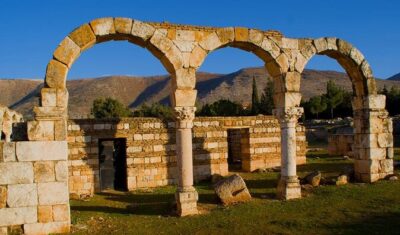
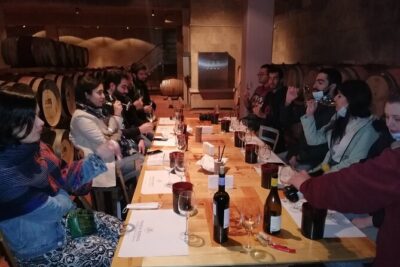
PRIVATE Wine Tasting Tour to the Bekaa Valey Fabulous Wineries
Read our review →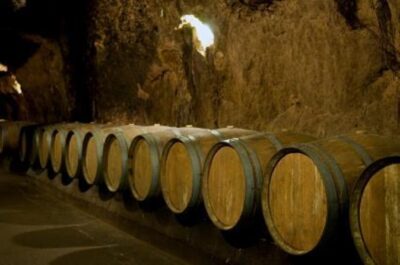
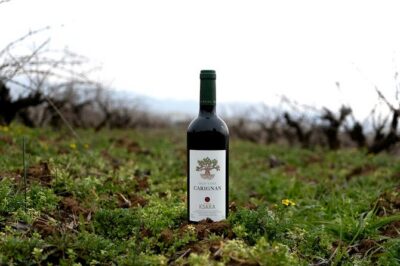
Journey Through Lebanese Wine: A Private Tour in the Beqaa Valley
Read our review →
Baalbek, Anjar & Wine: A Journey Through Lebanon’s Heritage
Read our review →