REVIEW · BAALBEK ANJAR AND KSARA DAY TRIPS
Small-Group Tour with Lunch to Baalbek, Anjar and Ksara
Lebanon’s ancient heartland makes a strong day trip. This small-group outing from Beirut combines the giant Roman temples of Baalbek, the Umayyad ruins of Anjar, a Lebanese lunch, and wine tasting at Château Ksara, all in roughly eight hours. I like the way it fits three very different stops into one day, and I like the door-to-door pickup, which removes much of the fuss from reaching the Bekaa Valley.
The group limit of 15 people is another plus. Guides including Albert, Ghofran, and Ziad have been praised for clear explanations, careful timing, and thoughtful answers. My main caution is that the day is tightly packed, and some entrance fees are not included in the $65 price, so you should carry extra money and expect a brisk pace.
In This Review
- Key points to know before booking
- Why this day trip works from Beirut
- Arriving at Baalbek and its giant Roman temples
- The Stone of the Pregnant Woman and ancient engineering
- Anjar, an Umayyad city with Roman echoes
- Lebanese lunch keeps the long day grounded
- Château Ksara and Lebanon’s wine tradition
- Guides and the small-group advantage
- Is $65 a fair price?
- Timing, comfort, and useful expectations
- Who should book this Baalbek day trip?
- Should you book it?
- FAQ
- What time does the tour start?
- How long does the tour last?
- Is hotel pickup included?
- How many people can join the tour?
- Is lunch included?
- Is wine tasting included?
- Are entrance tickets included?
- Can I cancel for a full refund?
Key points to know before booking
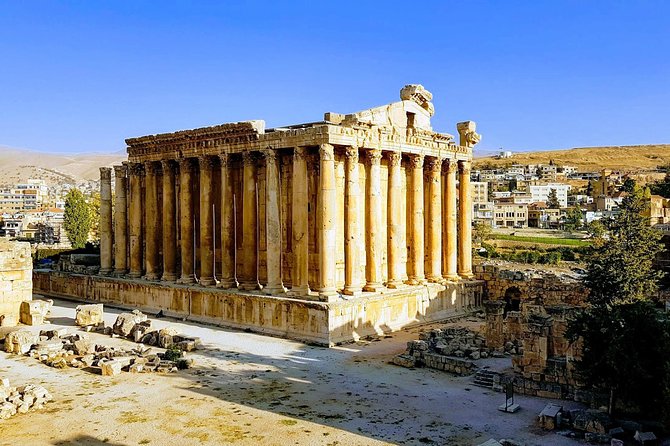
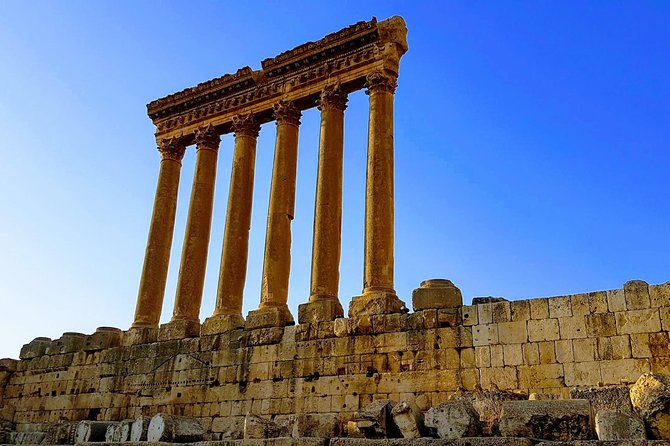
- Baalbek supplies the major wow factor: The Temple of Jupiter and Temple of Bacchus form one of the finest surviving examples of Imperial Roman building.
- Anjar changes the historical lens: Its Umayyad palace, mosque, baths, and arcades show a planned eighth-century commercial city with Roman design influences.
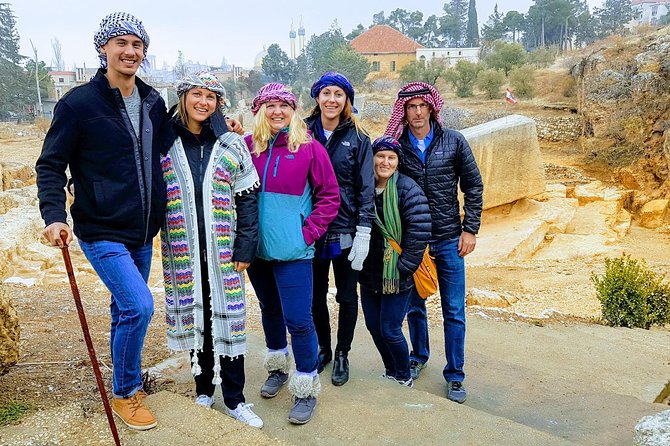
- The Stone of the Pregnant Woman is a quick but memorable stop: This enormous quarried block helps you understand the scale of Baalbek’s construction.
- Lunch is included: You get an authentic Lebanese meal, a useful value on a long day outside Beirut.
- Château Ksara adds a local food and drink angle: The winery was founded by Jesuit priests in 1857 and includes a complimentary tasting.
- Small-group transport saves time: Pickup and drop-off within Beirut city center make this easier than arranging several separate rides.
Why this day trip works from Beirut
Baalbek and Anjar are not practical quick visits from central Beirut by ordinary sightseeing alone. You need transport, route planning, entrance arrangements, and enough time to make the long outing worthwhile. This tour packages those pieces into one day and lets you focus on the sites instead of negotiating the journey.
Pickup begins at 8:30 am, with collection and return offered from locations within Beirut city center. The vehicle is air-conditioned, and the tour is limited to 15 participants. That number is small enough to make questions possible, yet large enough to keep the price at $65 per person.
I see the transportation as one of the strongest parts of the deal. You get hotel pickup, hotel drop-off, a tour leader, a professional guide, and lunch for one fixed price. The main extra cost is admission at the Baalbek temple complex and Anjar, since those tickets are not included. The Stone of the Pregnant Woman and the first Baalbek stop are listed without an additional admission charge, while Château Ksara also requires you to check what is covered beyond the tasting.
The schedule leaves little room for wandering off on your own. That is useful if you want to see the key monuments in one day, but less ideal if you prefer long museum visits, slow photography, or quiet time among the ruins.
More Baalbek and Bekaa day trips:
- Guided Small-Group Tour to Baalbek, Anjar and Ksara with Lunch
★ 5.0 · 511 reviews - Anjar, Baalbek & Ksara Day Trip – With Lunch (4G on Board)
★ 4.5 · 181 reviews - Baalbek – Anjar – Ksara Trip From Beirut
★ 4.5 · 80 reviews
Arriving at Baalbek and its giant Roman temples
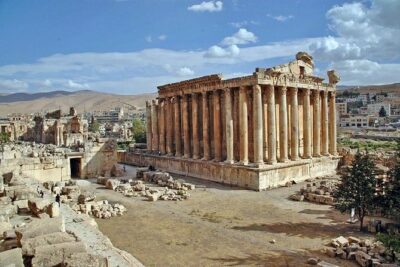
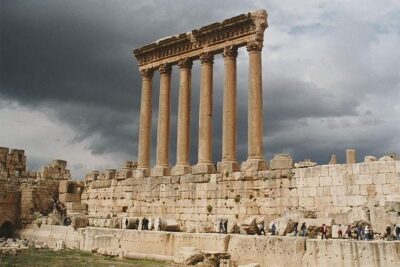
Baalbek is the reason many people choose this outing, and it earns the attention. At about 1,150 meters above sea level, the complex sits near the southwestern slope of the Anti-Lebanon range, beside the fertile Bekaa Valley. The setting gives the ruins a broad, open feel, while the surviving stonework makes the human scale seem almost comical.
The site was known as Heliopolis during the Hellenistic period. Its religious role continued under Roman rule, when the sanctuary attracted pilgrims who came to honor the Heliopolitan Triad: Jupiter, Venus, and Bacchus. That blend of Phoenician worship and Roman form is important. Baalbek is not simply a Roman ruin dropped into Lebanon. It reflects several layers of local and imperial history.
You should expect about 90 minutes at the broader Baalbek area and another 90 minutes focused on the temple complex. The split gives your guide time to explain the setting and then lead you through the principal monuments. Baalbek was inscribed as a UNESCO World Heritage site in 1984, and its scale explains why.
The Temple of Jupiter is the grandest visual statement. Even in ruin, its colossal columns and massive foundations suggest the resources poured into the sanctuary over more than two centuries. The Temple of Bacchus is smaller, but its preserved decoration and strong proportions often make it the more satisfying building to study closely.
I would listen carefully during this part of the visit. Without context, you may see broken columns and blocks. With a good explanation, you begin to understand the building project, the cults practiced here, and the way Roman architecture reached its peak in this corner of the ancient world.
The site admission is not included in the advertised price. That is not a deal breaker, but it matters when you compare the tour with a self-guided visit. A clear guide can help you notice details that are easy to miss, and the tour’s timing means you do not need to work out how to fit both Baalbek and Anjar into the same day.
The Stone of the Pregnant Woman and ancient engineering
The short visit to the Stone of the Pregnant Woman lasts about 15 minutes. It is a simple stop, but it helps explain the massive construction at Baalbek better than another view of a column might.
The stone is a worked Roman monolith, one of the largest blocks ever quarried, and another huge block lies nearby. Both were likely intended for the temple complex. Their size raises the practical questions that make ancient sites come alive: how were these blocks cut, moved, and fitted into a monumental sanctuary?
You will not spend long here, so treat it as a visual lesson rather than a full archaeological visit. I like its place in the schedule because it connects the famous temples with the physical labor behind them. Take a quick look, listen to the explanation, and save your energy for the main complex.
Anjar, an Umayyad city with Roman echoes
Anjar offers a sharp change of period and style. The ruins belong to the Umayyad civilization and represent an inland commercial center built where important routes crossed. One route connected Beirut with Damascus, while another ran across the Bekaa toward Homs and Tiberiade.
The ancient city was only uncovered by archaeologists in the late 1940s. That relatively recent discovery gives Anjar a different feel from Baalbek. You are looking at the remains of a planned city whose story is tied to trade, administration, and the early Islamic period.
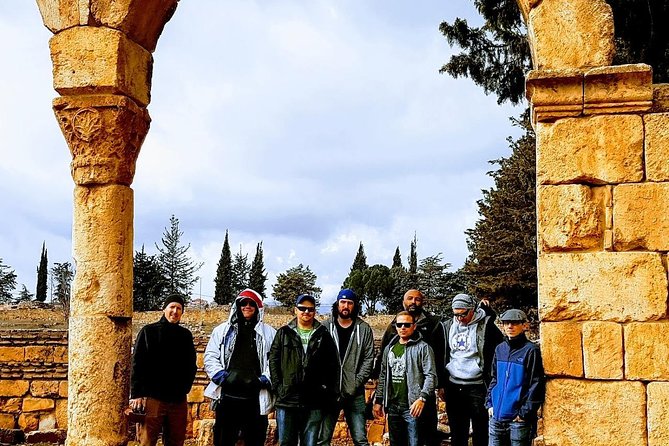
Allow about 45 minutes here. The ruins include the walls of the Umayyad palace, harems, a mosque, the great palace of the Caliph, thermal baths, and rows of pillars. Some architectural elements recall Roman design, which makes the site especially useful after Baalbek. You can compare how later builders used familiar forms for different religious and political purposes.
Anjar is less immediately overwhelming than Baalbek. Its appeal comes from reading the plan of the city and imagining how its parts worked together. If you want one enormous monument after another, this stop may feel quieter. If you enjoy seeing how cities functioned, it adds needed variety to the day.
The admission fee is not included. Since the visit is fairly short, I would ask the guide how much time remains before moving on and use it wisely. Focus on the palace area, mosque, baths, and surviving pillars rather than trying to inspect every stone.
A completely different kind of day out:
- Guided Small-Group Tour to Jeita, Harissa, Byblos with Lunch
★ 5.0 · 361 reviews - Paragliding Trip Over Lebanon – Jounieh Bay
★ 5.0 · 257 reviews - Jeita Grotto,Harissa&Byblos Full-Day PRIVATE-CAR Trip from Beirut
★ 5.0 · 222 reviews - First Paragliding Club in Lebanon – Since 1992
★ 5.0 · 193 reviews
Lebanese lunch keeps the long day grounded
Lunch is part of the package, and that matters on an eight-hour excursion. The meal is described as authentic Lebanese food, served in the local style. The supplied details do not specify the restaurant, menu, or whether drinks are included, so you should not book expecting a particular dish.
Still, including lunch gives this tour a practical advantage. You do not need to search for a place between archaeological stops, and the meal creates a proper pause after the morning’s large monuments. I value that kind of arrangement on a full-day outing, especially when the route includes several stops and return transport.
The meal also helps balance the tour. Baalbek and Anjar can feel like a concentrated history lesson. A Lebanese lunch brings the day back to present-day life and gives you a chance to talk with the guide or other people in the group.
Château Ksara and Lebanon’s wine tradition
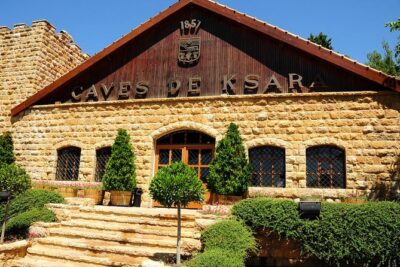
The final major stop is Château Ksara, a Lebanese wine company in the Bekaa Valley. Jesuit priests founded it in 1857, and the winery developed Lebanon’s first dry wine. Today it produces about three million bottles a year and exports to more than 40 countries.
The visit lasts about one hour and includes a complimentary tasting. The tasting is a pleasant change after the ruins, but it is also more than a drink break. It shows how the Bekaa Valley supports a modern agricultural and commercial tradition alongside its ancient sites.
The supplied details do not specify the number of wines poured, the tasting format, or whether a winery tour is included. Keep your expectations flexible. The value here is the chance to sample local wine at a well-established Lebanese producer without adding a separate tasting appointment to your trip.
If you do not drink alcohol, the archaeological stops remain the main reason to book. Château Ksara is a bonus rather than the central purpose of the day. If wine interests you, however, it gives the itinerary a welcome local flavor and makes the return journey feel less like a string of monuments.
Guides and the small-group advantage
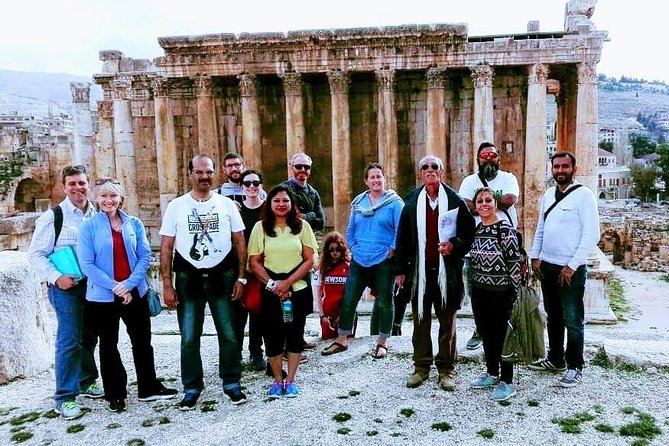
A group capped at 15 people can make a real difference at Baalbek. Large groups often force you to stand at the back of a crowd or wait while a guide repeats the same point. A smaller group usually makes it easier to hear, ask questions, and keep the day moving.
The strongest praise has focused on the guiding and timing. Albert has been described as organizing the day carefully and explaining each point in detail. Ghofran gave Baalbek a full presentation, while Ziad handled both driving and guiding, answered questions, and explained the sites clearly.
Those details are useful because Baalbek rewards a guide who can connect the stones to the story. The schedule also depends on good time control. You have five principal stops, lunch, transport from Beirut, and a return trip within about eight hours. A guide who keeps the group together without rushing every explanation is essential.
Your experience can still vary by guide and group makeup. A 15-person maximum is not the same as a private tour. You will have less freedom to set your own pace, and stopping for a long personal exploration may not be possible. The trade-off is a much lower price than a private vehicle and guide.
Is $65 a fair price?
At $65 per person, I consider this a strong value for a full-day outing, provided you account for the extra admission fees. The price includes air-conditioned transportation, hotel pickup and drop-off within Beirut city center, lunch, a tour leader, a guide, a small group, and a wine tasting.
The practical savings are clear. Arranging a private trip to Baalbek and Anjar would normally require more planning and could cost far more, while public transport would not offer the same direct routing or guided interpretation. You are paying for convenience as much as for sightseeing.
The weak point is the unclear final total once entrance tickets are added. Ask about the current admission costs before departure if staying within a strict budget matters to you. Also confirm the pickup area if your accommodation is outside Beirut city center.
I would choose this tour for a first visit to Lebanon when I wanted a broad introduction to the Bekaa Valley in one day. I would not choose it for a slow, specialist visit centered only on Roman architecture or wine.
Timing, comfort, and useful expectations
The day begins at 8:30 am and lasts approximately eight hours. That is a full schedule, but the air-conditioned vehicle and hotel pickup make it easier than arranging each leg yourself.
Wear comfortable shoes and bring water, since the Baalbek and Anjar visits involve walking around exposed archaeological sites. Those suggestions are ordinary good sense for ruins, not special requirements stated by the operator. The provided information says most people can participate, but it does not give detailed accessibility notes, so ask before booking if you have specific mobility needs.
Confirmation arrives at booking. Free cancellation is available up to 24 hours before the start time for a full refund. Cancellations or changes made within 24 hours are not accepted for a refund, and the cut-off follows local time.
Who should book this Baalbek day trip?
I would recommend it to first-time visitors based in Beirut who want to see the country’s major inland highlights without renting a car. It also suits anyone who values a guide’s explanation, included lunch, and a fixed route over personal control.
History fans get the strongest payoff from Baalbek and Anjar. Wine enthusiasts will appreciate the Château Ksara stop, while budget-minded visitors will like the combination of transport, food, and guiding at $65.
You may want another option if you dislike scheduled group touring, need long periods at each ruin, or want to choose your own restaurant and winery. The itinerary is efficient, not leisurely.
Should you book it?
Book this tour if you want the easiest way to combine Baalbek’s Roman temples, Anjar’s Umayyad ruins, Lebanese lunch, and a wine tasting in one day from Beirut. The strongest reasons are the capable named guides, small group limit, careful timing, and door-to-door transport.
Before paying, confirm the pickup location and budget for entrance tickets not included in the price. If you accept the brisk pace and shared schedule, this is a well-priced introduction to the Bekaa Valley. If you want freedom to linger, book a private outing instead.
FAQ
What time does the tour start?
The tour starts at 8:30 am.
How long does the tour last?
The experience lasts approximately eight hours.
Is hotel pickup included?
Yes. Pickup and drop-off are offered from locations within Beirut city center.
How many people can join the tour?
The group has a maximum of 15 participants.
Is lunch included?
Yes. The tour includes an authentic Lebanese lunch.
Is wine tasting included?
A complimentary tasting is included at Château Ksara.
Are entrance tickets included?
Admission to the main Baalbek temple complex and Anjar is not included. The Stone of the Pregnant Woman is listed with free admission, and the initial Baalbek stop is also listed without an admission charge.
Can I cancel for a full refund?
Yes. You can cancel at least 24 hours before the start time for a full refund. Cancellations or changes made within 24 hours are not refunded or accepted.
Just added in Beirut
- Wine Tasting Tour★ 5.0 · 2 reviews
- Lebanon tours vip jeitta byblos beirut we charge per vechile not per person.★ 5.0 · 1 review
- Lebanon’s Treasures: Jeita Grotto and Harissa Private Tour★ 5.0 · 2 reviews
- Small Group Tour to Baalbek, Anjar & Ksara with Hotel pickup★ 5.0 · 2 reviews
- Journey Through Time: A Private Tour of Tripoli and Byblos★ 5.0 · 1 review
- Guided Small-Group Tour to Baalbek, Cedars & Qozhaya with Lunch★ 5.0 · 2 reviews
- Small-Group Tour with Lunch to Sidon, Tyre & Maghdouche★ 5.0 · 2 reviews
- Small-Group Tour Qadisha Valley, Becharre and Cedars with Lunch and Tickets★ 5.0 · 1 review
Baalbek Anjar and Ksara Day Trips
Anjar, Baalbek & Ksara Day Trip – With Lunch (4G on Board)
Read our review →
Private Anjar and Baalbek Tour from Beirut with Departure Ticket
Read our review →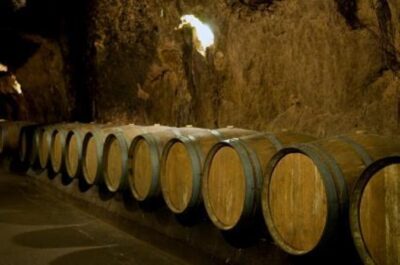
Guided Private Full Day Tour to Baalbek, Anjar and Chateau Ksara
Read our review →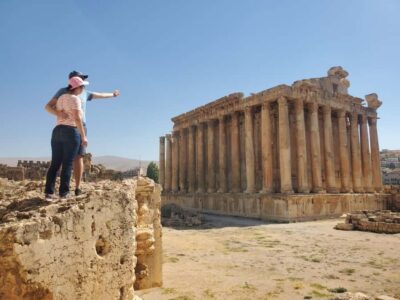
Baalbek Temples & Ksara Caves w/pick-up,guide, entries+lunch
Read our review →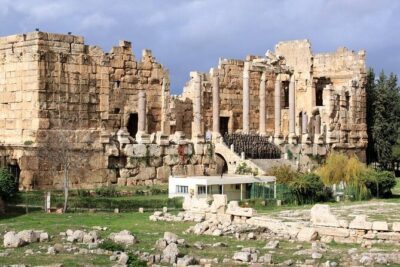
Small Group Tours to Baalbek, Anjar & Chateau Ksara with lunch and Tickets
Read our review →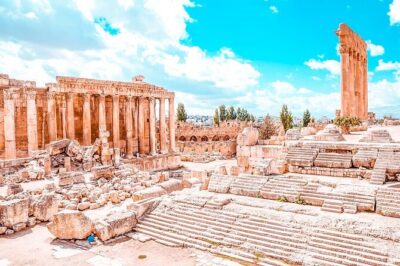
Private Tour: Anjar, Baalbek and Ksara Day Trip from Beirut
Read our review →