REVIEW · QADISHA VALLEY AND THE CEDARS OF GOD
Private Trip to Qadisha Valley, Bcharri and Cedars of God
Mountain Lebanon rewards the curious. This private day trip from Beirut brings together the Qadisha Valley, Bcharre, the Gibran Museum, the Cedars of God, and Deir Qozhaya in one long but rewarding outing. I especially like the door-to-door hotel pickup and the freedom of a private car, plus the mix of Christian heritage, mountain scenery, literature, and old cedar forests.
The main drawback is time. Eight hours is enough to see the headline sights, but not enough for a slow exploration of every monastery, cave, church, or trail in the Qadisha region. You should also note that lunch is not included, and the entrance fee for the Gibran Museum is extra.
In This Review
- Key points before you book
- Why this private mountain trip works
- Mseilha Fort sets the northern tone
- Qadisha Valley, a dramatic Christian refuge
- Bcharre connects churches, skiing, and Gibran
- The Gibran Museum gives the day a human face
- The Cedars of God are the day’s signature sight
- Deir Qozhaya shows the valley’s monastic life
- The guide and car matter more than usual
- What to expect from the pace
- Who should book this tour?
- Should you book it?
- FAQ
- Is hotel pickup included?
- What time does the tour start?
- How long does the experience last?
- Is this a private tour?
- Is lunch included?
- Is the Gibran Museum admission included?
- What is included in the price?
- Can I cancel for a full refund?
Key points before you book
- A private route from Beirut: Your own group travels in an air-conditioned vehicle with hotel pickup and drop-off.
- Five major stops: The route includes Mseilha Fort, Qadisha Valley, Bcharre, the Gibran Museum, the Cedars of God, and Deir Qozhaya.
- A strong guide can shape the day: Albert, Hassan, Natasha, and Kasem were praised for care, flexibility, humor, and a comfortable driving style.
- The cedar forest is the visual high point: The Cedars of God contains 375 trees, among the last surviving stands of Lebanon’s ancient cedar forests.
- Culture goes beyond scenery: The Gibran Museum holds original art, manuscripts, personal belongings, and the artist’s tomb.
- Budget about $75 per person: That price includes transport, a professional guide, and hotel transfers, but not lunch or the museum admission.
Why this private mountain trip works
Lebanon packs a lot into a small area, but Beirut’s busy streets can make the northern mountains feel far away. This excursion solves the transport problem in one stroke. You leave your hotel at about 8:30 am, settle into a private vehicle, and let the driver handle the mountain roads.
I like this format for a group of friends, a couple, or a family that wants to move at its own pace. You are not tied to strangers, and the guide can explain the places in front of you rather than giving a fixed speech to a large crowd.
The price is $75 per person. That is fair value if your group wants a full day of private transport and guiding from Beirut. A public bus or independent taxi might cost less in some cases, but it would not give you the same direct connection between these scattered mountain sights. Since fuel, driving, and route planning are handled for you, the fee is especially practical for visitors who do not want to rent a car.
There is a tradeoff. The tour covers a lot of ground. You receive an overview of the region rather than a long walk through the Qadisha Valley. If you want serious hiking, extended church visits, or quiet time in the forest, ask about a custom schedule before booking.
More of the Qadisha Valley and the Cedars:
- Guided Small-Group Tour to Qadisha, Bcharee & Cedars with Lunch
★ 5.0 · 39 reviews - Cedars of Lebanon, Qozhaya, & Bcharre – With Lunch (4G on Board)
★ 4.5 · 34 reviews - Cedars, Bsharre & Kozhaya Day Tour
★ 5.0 · 15 reviews
Mseilha Fort sets the northern tone
Mseilha Fort is listed as an early stop on the route, although no exact visit length is provided. The fort sits on a long, narrow limestone ridge near the Nahr el-Jawz River, a strong position that once helped control the route between Tripoli and Beirut.
Emir Fakhreddine II built the fortification in the 17th century. Its walls use small sandstone blocks from the nearby coast and follow the edge of the rock, giving the site a compact, defensive shape.
This is a useful first stop because it connects Lebanon’s scenery with its military past. You see how a narrow rock formation could control movement through the region. Since the time allowed is not specified, treat Mseilha as a possible photo and orientation stop rather than expecting a long guided visit.
Qadisha Valley, a dramatic Christian refuge
The Qadisha Valley is the heart of the day. It is one of the world’s important early Christian settlement areas, with caves, monasteries, cultivated terraces, and hermit sites spread through steep mountain terrain.
The valley is not just one building or viewpoint. It is a broad cultural area shaped by centuries of religious life. Monks and hermits used natural caves and isolated slopes, while monasteries grew in places that offered shelter and distance from the outside world.
The scheduled visit is about 10 minutes, with no admission charge listed. That is the clearest sign that this tour provides a scenic introduction rather than a full valley hike. You can expect to see the rugged setting and hear about the area’s religious importance, but you should not plan on exploring every cave or walking between remote monasteries during this stop.
The brief timing may disappoint hikers. Still, it makes sense within an eight-hour route that also reaches Bcharre, the museum, the cedar forest, and Deir Qozhaya. If Qadisha is your main reason for coming, ask the operator if the private format can be adjusted.
Bcharre connects churches, skiing, and Gibran
Bcharre is the main town associated with the mountain portion of this trip. It is known as the home of the surviving original Cedars of God and as the birthplace of Kahlil Gibran, the Lebanese writer and artist.
The town is sometimes called the city of churches, with about 37 churches. That detail gives you a sense of the area’s strong Christian identity, which continues through the nearby monasteries and the Qadisha Valley.
Bcharre also has Lebanon’s oldest skiing area and the country’s first ski lift, built in 1953. The town therefore links several parts of Lebanon’s identity: religious life, mountain culture, literature, and winter sport.
The planned stop is about 30 minutes and does not list an admission fee. That is enough to get your bearings, hear about Gibran, and take in the setting, but not enough for a detailed town walk. If you want to see churches beyond the main route, that would need extra time.
A completely different kind of day out:
- Guided Small-Group Tour to Baalbek, Anjar and Ksara with Lunch
★ 5.0 · 511 reviews - Guided Small-Group Tour to Jeita, Harissa, Byblos with Lunch
★ 5.0 · 361 reviews - Paragliding Trip Over Lebanon – Jounieh Bay
★ 5.0 · 257 reviews - Jeita Grotto,Harissa&Byblos Full-Day PRIVATE-CAR Trip from Beirut
★ 5.0 · 222 reviews
The Gibran Museum gives the day a human face
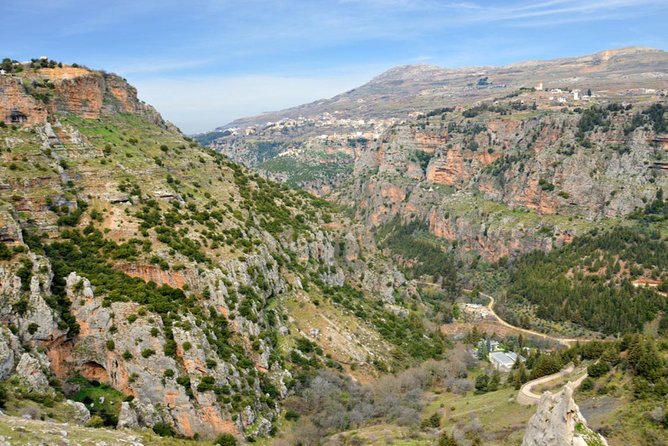
The Gibran Museum occupies the former Monastery of Mar Sarkis in Bcharre. It is dedicated to Kahlil Gibran, whose work as a writer, philosopher, painter, and sculptor made him one of Lebanon’s best-known cultural figures.
The collection includes 440 original paintings and drawings, along with furniture and personal belongings from his New York studio. You can also see private manuscripts and Gibran’s tomb.
This is one of the most worthwhile indoor stops because it adds personal detail to the mountain story. The cedars and monasteries show you Lebanon’s natural and religious heritage. The museum shows you how one Lebanese artist carried that heritage into an international career.
The visit is scheduled for 30 minutes. That is a useful introduction, but art lovers may want longer. The museum admission is not included, so budget for an additional ticket. The tour price covers the vehicle and guide, not every entrance along the route.
If you have read Gibran or already know his paintings, you may wish to ask for more time here. If not, the museum still helps explain why Bcharre is more than a pass-through mountain town.
The Cedars of God are the day’s signature sight
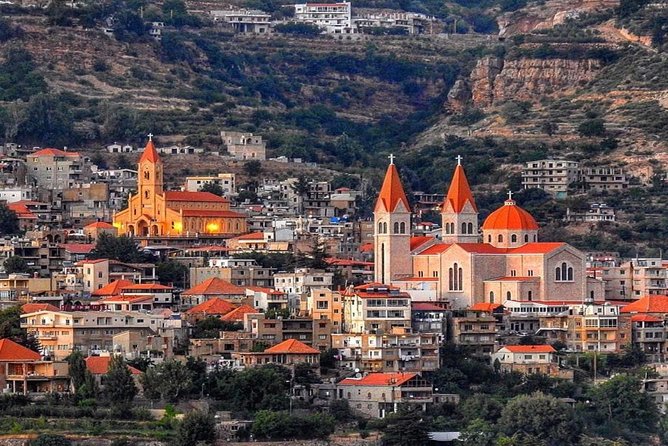
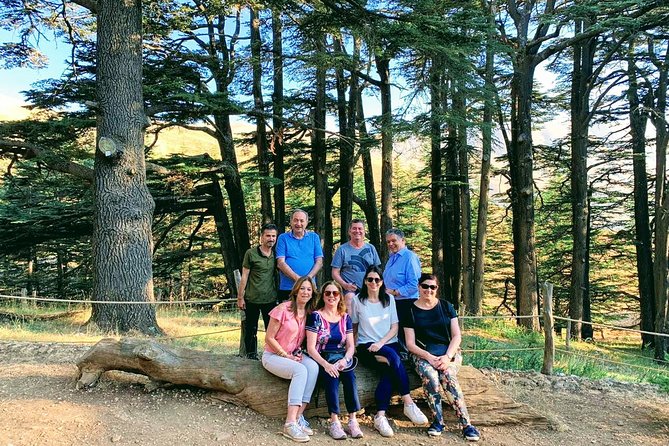
The Cedars of God forest is the most famous stop on the route, and for good reason. The forest contains 375 trees, described as the last remains of Lebanon’s ancient cedar forests and one of the rare places where these trees still grow.
The cedar is Lebanon’s national symbol and appears on the country’s flag. It was prized in ancient times as a building material for major religious structures, and it is mentioned 103 times in the Bible.
That background matters when you arrive. This is not simply a patch of trees with a famous name. The forest represents a national symbol, an old resource, and a living link to the country’s past.
The planned visit is 45 minutes, with no admission fee listed. You should have time to walk among the trees, take photographs, and listen to the guide explain their place in Lebanese culture. The exact conditions can vary by season. One published account describes snow still lying on the ground, which shows how different the forest can feel in colder months.
Wear shoes suited to uneven outdoor ground and bring an extra layer if you are visiting the mountains. The tour information does not promise a particular trail or walking distance, so ask your guide what route is open on the day.
Deir Qozhaya shows the valley’s monastic life
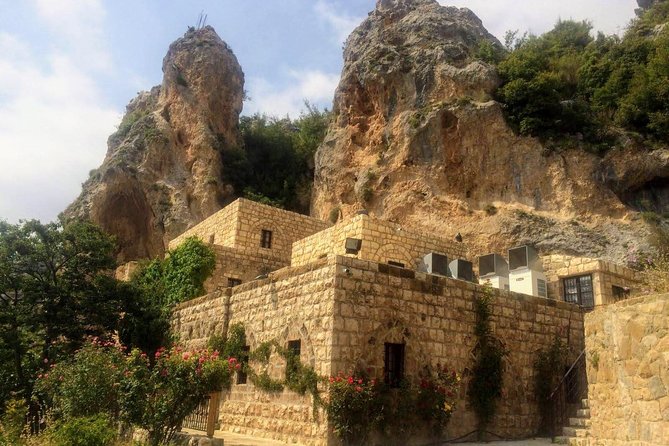
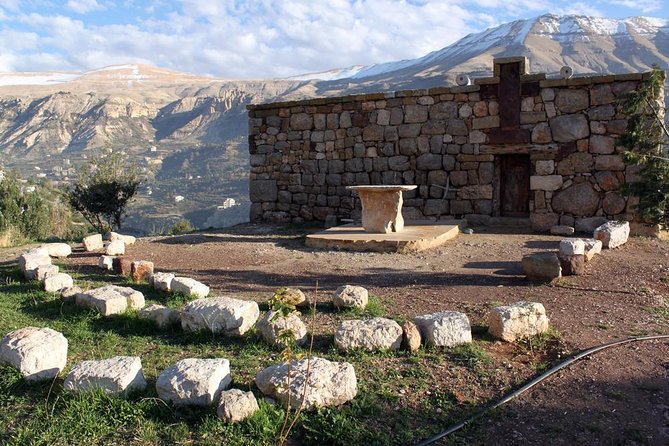
Deir Qozhaya, also known as the Monastery of Saint Anthony the Great, sits at about 950 meters above sea level in the Qozhaya Valley. Pine and oak cover the surrounding hills, while fruit trees line the valley.
The monastery is closely tied to the wider Qadisha area and its long tradition of hermits seeking an isolated religious life. Historians place its first construction and occupation by hermits around the beginning of the fourth century. Parts of the site date back to the seventh century.
The monastery has endured repeated looting, fires, and destruction. That history gives the visit a sober edge. You are not looking at a perfectly preserved monument untouched by time. You are seeing a religious site that survived repeated damage and remained part of the valley’s life.
The scheduled stop is 30 minutes and admission is listed as free. That should allow a visit to the main area and time to take in the setting, but not a detailed study of every building or religious object.
The monastery also helps balance the day. The Cedars of God is about nature and national identity. The Gibran Museum is about one individual. Deir Qozhaya brings you back to the wider story of faith, retreat, and mountain communities.
The guide and car matter more than usual
This is a driving-heavy day, so the quality of the guide affects the whole experience. Albert was praised for arriving on time, driving well, explaining the area, and using humor without losing sight of practical details. One account also describes him taking care when food service ran late, a small point that suggests attention beyond the standard sightseeing script.
Hassan was described as relaxed and reassuring, with enough time built into the day to see the main places without feeling hurried. Natasha received especially warm praise for her kindness, thoughtful planning, and clear answers. Kasem was also singled out for being courteous and well informed about the route.
You cannot guarantee a specific guide unless the company confirms one. Still, these names are useful when you contact Lebanon Tours & Travels. If you have a preference, ask directly. The private format also gives you a better chance to discuss timing, food, and the balance between sightseeing and walking.
The air-conditioned vehicle is included, along with hotel pickup and drop-off in Beirut. That is a real advantage on a full mountain day. You avoid arranging separate transfers and can return to the same hotel at the end.
What to expect from the pace
The day begins at about 8:30 am and lasts roughly eight hours. The route contains several stops, but the timing is uneven. Qadisha Valley receives about 10 minutes, Bcharre 30 minutes, the Gibran Museum 30 minutes, the cedar forest 45 minutes, and Deir Qozhaya 30 minutes. Mseilha Fort has no stated duration.
The rest of the day is spent moving between sites. That is not wasted time. The road connects Beirut with Lebanon’s northern mountain country, and the guide can use the drive to explain the area. Still, you should expect a full schedule rather than a lazy mountain day.
Lunch is not included. Ask the guide about the meal plan at the start, especially if you have dietary needs or want to avoid losing sightseeing time. One account specifically noted a delay when food arrived, so flexibility helps.
Free cancellation is available if you cancel at least 24 hours before the start time. Changes or cancellations inside that window are not accepted for a refund.
Who should book this tour?
I would choose this trip if you want to see several important northern Lebanon sights in one day without handling mountain transport yourself. It suits first-time visitors, couples, families, and small groups that value a private vehicle and direct hotel service.
It is also a good match if you want more than scenery. The route combines early Christian sites, a historic fort, a literary museum, a national symbol, and a working monastic tradition.
I would hesitate if your main goal is hiking through Qadisha Valley. The short valley stop does not allow much walking. I would also hesitate if you dislike long road days or prefer to spend an entire afternoon in one place.
Should you book it?
Book this tour if you want an efficient, private introduction to Lebanon’s northern mountains and cultural heritage. The $75 price is sensible for private transport, an air-conditioned vehicle, hotel transfers, and a guide, especially when split among a small group.
Before confirming, ask about the exact guide, lunch arrangements, museum admission, and whether the schedule can give you more time in Qadisha Valley or at the Gibran Museum. If the company can adjust the timing to match your interests, this becomes an even stronger choice. If you want a serious hike, request a different itinerary rather than trying to force too much into one eight-hour day.
FAQ
Is hotel pickup included?
Yes. Pickup and drop-off from your Beirut hotel are included.
What time does the tour start?
The listed start time is 8:30 am.
How long does the experience last?
The tour lasts approximately eight hours.
Is this a private tour?
Yes. Only your group participates in the activity.
Is lunch included?
No. Lunch is not included in the tour price.
Is the Gibran Museum admission included?
No. Admission to the Gibran Museum is not included. The listed visit lasts about 30 minutes.
What is included in the price?
The price includes hotel pickup and drop-off, private transportation, an air-conditioned vehicle, and a professional guide.
Can I cancel for a full refund?
Yes, if you cancel at least 24 hours before the experience starts. Cancellations or changes made less than 24 hours in advance are not accepted for a refund.
Just added in Beirut
- Wine Tasting Tour★ 5.0 · 2 reviews
- Lebanon tours vip jeitta byblos beirut we charge per vechile not per person.★ 5.0 · 1 review
- Lebanon’s Treasures: Jeita Grotto and Harissa Private Tour★ 5.0 · 2 reviews
- Journey Through Time: A Private Tour of Tripoli and Byblos★ 5.0 · 1 review
- Small Group Tour to Baalbek, Anjar & Ksara with Hotel pickup★ 5.0 · 2 reviews
- Small-Group Tour with Lunch to Sidon, Tyre & Maghdouche★ 5.0 · 2 reviews
- Guided Small-Group Tour to Baalbek, Cedars & Qozhaya with Lunch★ 5.0 · 2 reviews
- Small-Group Tour Qadisha Valley, Becharre and Cedars with Lunch and Tickets★ 5.0 · 1 review
Qadisha Valley and the Cedars of God
Guided Small-Group Tour to Qadisha, Bcharee & Cedars with Lunch
Read our review →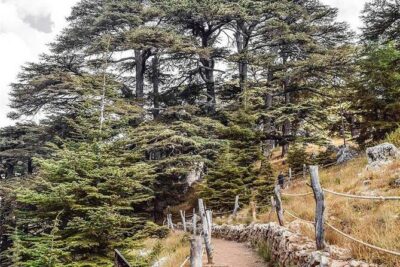
Cedars of Lebanon, Qozhaya, & Bcharre – With Lunch (4G on Board)
Read our review →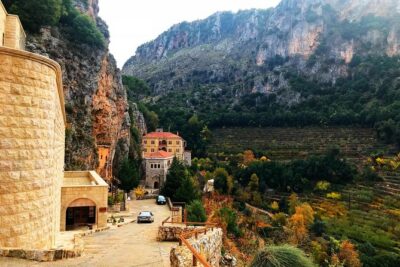
Cedars Shouf & Beiteddine w/pick-up, guide, entries+lunch
Read our review →
Guided small group to Cedars Reserve & Beiteddine w/lunch+entries
Read our review →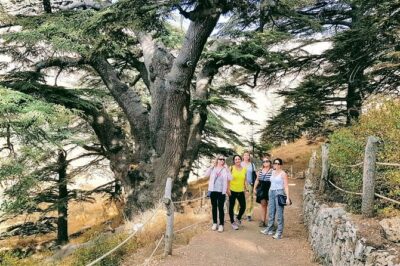
Small-Group Tour with Lunch to Qadisha Valley, Bcharre and Cedars
Read our review →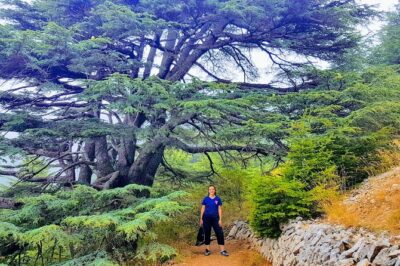
Guided Full-Day Private Trip to Cedars, Baalbek and Chateau Ksara
Read our review →