REVIEW · WORKSHOPS
Private Lebanese Cooking Class in Beirut with Amal + Transfers
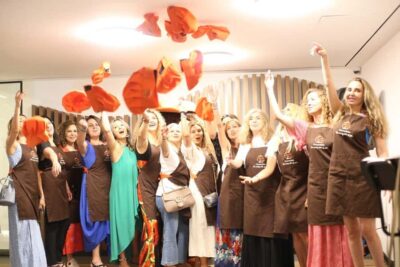
Warm food, warmer company. This private class takes you from Beirut to Aramoun, where Amal and her family welcome you into a classic Lebanese home for cooking, conversation, and lunch. I especially like the private format, which keeps the experience personal, and the use of garden-grown herbs and vegetables, which connects the meal to the family’s daily life.
The main consideration is time. The full experience lasts about three hours, but only around one hour is hands-on cooking. The rest is devoted to introductions, drinks, dining, and family hospitality. That is a strength if you want a social meal, but less ideal if you expect a long technical cooking lesson.
In This Review
- Key points to know before booking
- Leaving Beirut for Amal’s home in Aramoun
- A classic Lebanese home with a terrace and fireplace
- An hour of hands-on Lebanese cooking
- What may appear on the Lebanese table
- Why the family welcome matters
- Is $142 a fair price?
- Dietary needs and practical planning
- Who will enjoy this experience most?
- Should you book the Lebanese cooking class?
- FAQ
- Where does the cooking class take place?
- How long does the experience last?
- Is hotel pickup available?
- Is the cooking class private?
- How much hands-on cooking is included?
- What foods might be included?
- Can vegetarian, vegan, or halal meals be provided?
- What should I do about allergies or dietary restrictions?
- Can I cancel for a full refund?
Key points to know before booking
- Aramoun setting: You leave central Beirut for a residential suburb surrounded by gardens and family homes.
- Private cooking time: Your group works directly with Amal and her mother, rather than joining a large class.
- Three-course meal: You learn to prepare an appetizer, salad, and dessert, then eat the finished food with the family.
- Family garden ingredients: Organic fruits, vegetables, and herbs add a useful connection between the garden and the kitchen.
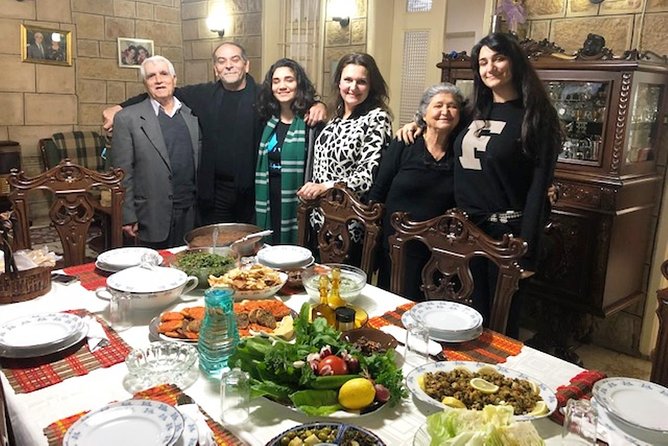
- Three generations at the table: The welcome may include Amal, her parents, and other family members, creating a warm home-meal atmosphere.
- Hotel transfers included: Pickup and drop-off in Beirut make the outing easier, especially if you do not want to arrange transport to Aramoun.
Leaving Beirut for Amal’s home in Aramoun
The class takes place in Aramoun, a suburb outside Beirut. This matters because the setting feels different from a restaurant or cooking school. You are visiting a family home in a residential area, with gardens and pleasant homes around it rather than a commercial kitchen built for tour groups.
Pickup and drop-off at your Beirut hotel are included, which removes one of the more tiresome parts of arranging a short outing. You do not need to work out a separate route to the home or find your way back after a full meal. The tour is also near public transportation, though the included transfer is the simpler choice for most people.
The drive gives the class a clear change of pace. Beirut can feel dense and busy, while Aramoun offers a quieter residential setting. Do not book this expecting a sightseeing tour of the suburb. The neighborhood is mainly the backdrop for the home visit, and the real focus begins when you arrive at Amal’s house.
Because the activity is private, only your group participates. That is useful for families, couples, and friends who want to ask questions freely or work at their own pace. It also means the cost is easier to justify for a small group than for a solo visitor paying the full per-person rate.
More cooking classes in Beirut:
- Authentic Lebanese Cooking Lesson and Meal with Tania’s Family in Beirut
★ 5.0 · 62 reviews - Traveling Spoon Lebanese Mezze Private Online Cooking Class
★ 5.0 · 4 reviews - Authentic Lebanese Virtual Cooking Class Live from Lebanon
★ 5.0 · 2 reviews
A classic Lebanese home with a terrace and fireplace
Amal’s home is part of the appeal. The house is described as a beautiful, classic Lebanese family home, with a fireplace and a terrace offering views toward Beirut. You begin with a refreshing drink while Amal introduces you to Lebanese cooking and explains how the dishes fit into the country’s food traditions.
This opening is important. You are not simply handed ingredients and told to follow instructions. The meal begins with a sense of place, family, and custom. You get context before you start chopping or mixing, which makes the food easier to understand when it reaches the table.
The terrace should be a pleasant place to pause, especially in good weather. The fireplace also gives the home a comfortable gathering point when conditions are poor. One memorable version of the experience took place during unpleasant weather, yet the family kept everyone comfortable indoors by the fire. That detail says a lot about the value of this outing: the welcome does not depend entirely on sunshine.
The home setting also brings a few practical limits. This is not a purpose-built classroom with rows of workstations, professional equipment, or a printed lesson plan. You are cooking in a family kitchen, so the experience is more intimate and less formal. I see that as a plus for cultural contact, but visitors who want a polished culinary workshop should set their expectations accordingly.
An hour of hands-on Lebanese cooking
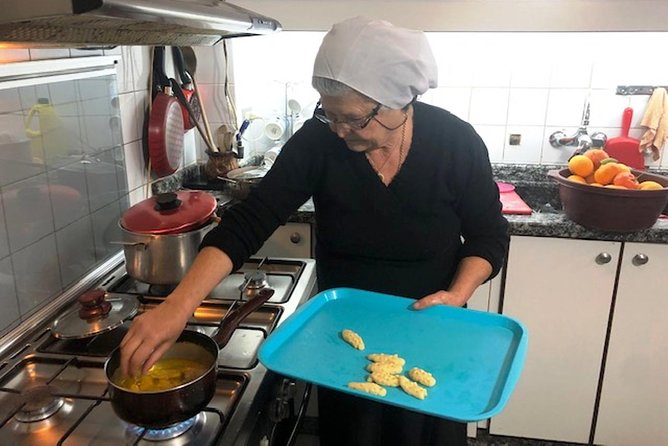
The active cooking portion lasts about one hour. You work with Amal and her mother in the home kitchen, preparing an appetizer, a salad, and a dessert based on family recipes.
The class is short enough to fit neatly into a Beirut itinerary, but it still gives you a chance to handle the food yourself. You can learn how ingredients are combined, how Lebanese flavors are balanced, and how familiar dishes are prepared at home rather than simply plated in a restaurant.
The use of authentic Lebanese techniques is one of the strongest parts of the class. You are not preparing a simplified international menu designed only to be easy for visitors. The recipes come from the family, and the ingredients may include fruits, vegetables, and herbs grown in the family garden.
That garden connection adds real value. When you use an herb or vegetable grown beside the house, the dish has a clear link to the place you are visiting. It also gives you a better sense of the everyday foundation of Lebanese cooking: fresh produce, herbs, lemon, garlic, olive oil, tahini, grains, and carefully seasoned meat.
You should not expect to prepare every dish in the final meal from start to finish. The advertised cooking time centers on one appetizer, one salad, and one dessert, while the complete lunch may include additional dishes prepared by the family. That is normal for a home-hosted meal, but it is worth knowing if your main goal is to master a large number of recipes.
What may appear on the Lebanese table
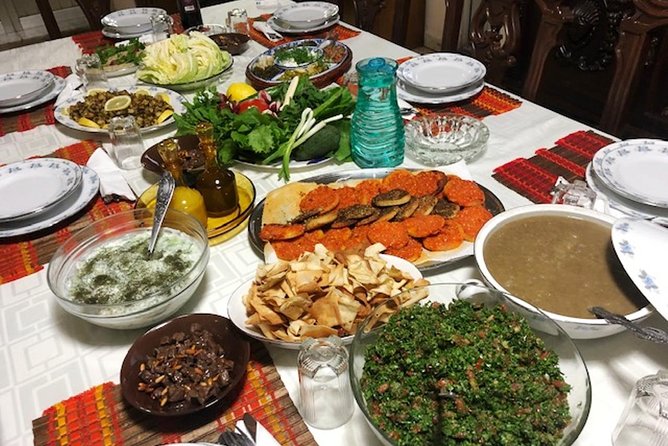
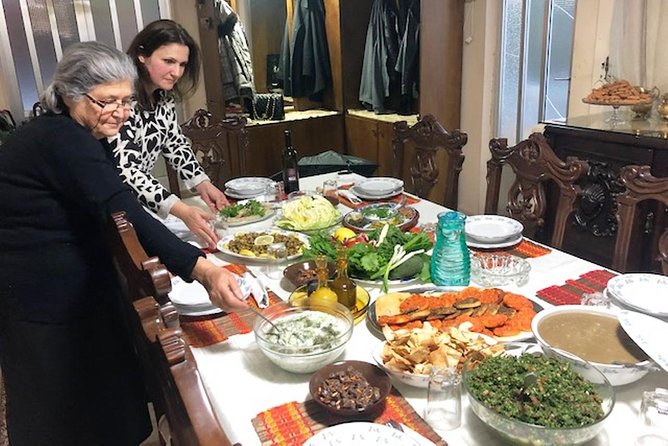
The menu can include chickpeas with lemon, olive oil, and garlic sauce. This simple combination shows how much flavor Lebanese cooks can draw from a short ingredient list. The balance depends on the sharpness of the lemon, the richness of the oil, and the strength of the garlic.
Tabouli may also be served. The familiar salad is built around fresh herbs and grains, and it works as a bright counterpoint to heavier foods. Preparing a salad like this gives you a useful lesson in proportion, chopping, and seasoning rather than relying on a bottled dressing or a fixed recipe.
Kibbi is another possible dish. It combines minced meat with herbs and nuts, creating a more substantial centerpiece. If you eat meat, this is the kind of dish that shows how Lebanese food can be both finely seasoned and filling without relying on heavy sauces.
Mtabal may appear as well. This grilled and mashed eggplant is mixed with tahini, lemon juice, and garlic. It is smooth, smoky, nutty, and sharp, and it makes a good example of how a few strong ingredients can form a complete mezze dish.
Dessert may be maakaroun, made from semolina fingers that are deep fried and soaked in sugar syrup. It is a sweet finish and a useful reminder that the meal is not limited to savory dips and salads. You can expect a traditional home-style spread, though the exact menu may change.
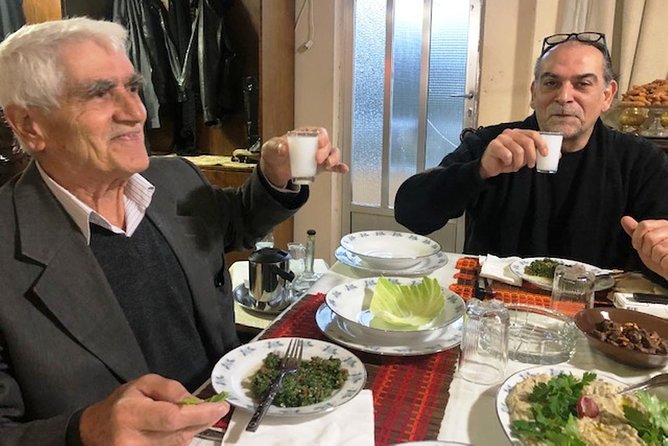
The meal includes drinks, and you sit down with Amal and her parents to eat what you helped prepare. That shared table is the emotional center of the experience. You are not sent away with a plate after the lesson. The people who taught you remain part of the meal.
A completely different kind of day out:
- Guided Small-Group Tour to Baalbek, Anjar and Ksara with Lunch
★ 5.0 · 511 reviews - Guided Small-Group Tour to Jeita, Harissa, Byblos with Lunch
★ 5.0 · 361 reviews - Paragliding Trip Over Lebanon – Jounieh Bay
★ 5.0 · 257 reviews - Jeita Grotto,Harissa&Byblos Full-Day PRIVATE-CAR Trip from Beirut
★ 5.0 · 222 reviews
Why the family welcome matters
The most praised feature of this experience is the warmth of the family. The gathering may include three generations, giving the meal a broad family feel rather than a one-host presentation. That can make the class feel less like a transaction and more like an invitation into someone’s home.
Of course, a family visit is not the same as a private restaurant table. Conversation may be central, and the pace may be relaxed. If you prefer a tightly timed class with constant instruction, you may find the social side takes up more room than expected.
I would choose this experience for the human contact as much as for the food. Cooking with Amal and her mother, then eating with Amal’s parents, gives you a glimpse of how recipes and hospitality pass between generations. The family setting also makes the meal easier to remember than a standard restaurant lunch.
The private format helps here. You can ask about ingredients, cooking methods, or Lebanese food customs without worrying about a large group waiting. If your party has different interests, the hosts can give more attention to your questions and pace.
Is $142 a fair price?
At $142 per person, this is not a budget lunch. The price pays for more than the food itself. You are also paying for a private class, hotel transfers, a home visit, drinks, personal instruction, and a meal shared with the family.
Value depends heavily on what you want from a Beirut outing. If you only want to eat Lebanese food, a local restaurant will cost less and may offer a wider menu. If you want a private cultural experience with transport included, the price becomes easier to defend.
The economics work best for a small group. A couple or family can share the private setting and receive direct attention from the hosts. Group discounts are available, so larger parties should check how the total changes before booking.
I also like that the class uses family recipes and home-grown ingredients. Those details make the cost feel tied to the experience rather than to a standard commercial cooking lesson. Still, you should book it for the combination of food, instruction, and hospitality, not simply for the number of dishes you will cook.
Dietary needs and practical planning
Tell the provider about allergies, dietary restrictions, and food preferences when you book. Vegetarian, vegan, and halal meals can be provided, but they need to be requested in advance.
That advance notice is especially important in a private home kitchen. The hosts can plan the menu and ingredients properly, rather than trying to make last-minute substitutions. Be as specific as possible about allergies and avoid assuming that a general request will cover a serious medical concern.
The experience lasts about three hours. Pickup and drop-off make it easy to place in a Beirut day, but confirmation is subject to availability and is sent within 48 hours of booking. Since the experience is typically booked about 19 days ahead, planning early is sensible if your schedule is fixed.
Free cancellation is available up to 24 hours before the local start time. Changes or cancellations made later are not accepted for a refund, so keep that deadline in mind before arranging other activities around it.
Who will enjoy this experience most?
I would recommend this class to anyone who wants food to be the main route into Lebanese culture. It suits couples, families, and small groups who value conversation and a relaxed home setting as much as formal instruction.
It is also a good choice if you have only a few days in Beirut. Three hours gives you a meaningful outing without taking a full day away from the city. The included transport keeps the schedule straightforward.
Food-focused visitors will appreciate the chance to see dishes such as tabouli and mtabal in a family kitchen. People who enjoy local hospitality will likely value the time at the table even more than the cooking itself.
You may want a different activity if you need a long, technical class with several hours of practice, professional kitchen equipment, or a guaranteed fixed menu. The lesson is hands-on, but the overall experience is designed as a home visit and shared lunch.
Should you book the Lebanese cooking class?
Book it if you want a personal Beirut experience built around family food, not just a demonstration. The private setting, garden ingredients, hotel transfers, and meal with Amal and her parents give the three-hour outing a strong sense of place.
I would be comfortable recommending it at $142 when the goal is a special cultural experience and your group values comfort and personal attention. I would hesitate only if you are focused on low cost or expect intensive cooking practice from start to finish.
For most people, the best reason to book is simple: you get to cook a little, eat well, and share a Lebanese table with a welcoming family. That is a fair exchange for an afternoon outside Beirut.
FAQ
Where does the cooking class take place?
The class takes place in Amal’s family home in Aramoun, a suburb outside Beirut.
How long does the experience last?
The experience lasts approximately three hours.
Is hotel pickup available?
Yes. Pickup and drop-off at your Beirut hotel are offered.
Is the cooking class private?
Yes. Only your group participates in the activity.
How much hands-on cooking is included?
The hands-on cooking portion lasts about one hour. You prepare an appetizer, a salad, and a dessert with Amal and her mother.
What foods might be included?
Possible dishes include chickpeas with lemon, olive oil, and garlic sauce, tabouli, kibbi, mtabal, and maakaroun dessert. The exact menu may vary.
Can vegetarian, vegan, or halal meals be provided?
Yes. Vegetarian, vegan, and halal meals can be provided if you request them when booking.
What should I do about allergies or dietary restrictions?
Advise the provider about allergies, dietary restrictions, and food preferences at the time of booking.
Can I cancel for a full refund?
Yes. You can cancel at least 24 hours before the experience start time for a full refund. Cancellations or changes made less than 24 hours before the start time are not refunded.
Just added in Beirut
- Wine Tasting Tour★ 5.0 · 2 reviews
- Lebanon tours vip jeitta byblos beirut we charge per vechile not per person.★ 5.0 · 1 review
- Lebanon’s Treasures: Jeita Grotto and Harissa Private Tour★ 5.0 · 2 reviews
- Small Group Tour to Baalbek, Anjar & Ksara with Hotel pickup★ 5.0 · 2 reviews
- Journey Through Time: A Private Tour of Tripoli and Byblos★ 5.0 · 1 review
- Guided Small-Group Tour to Baalbek, Cedars & Qozhaya with Lunch★ 5.0 · 2 reviews
- Small-Group Tour with Lunch to Sidon, Tyre & Maghdouche★ 5.0 · 2 reviews
- Small-Group Tour Qadisha Valley, Becharre and Cedars with Lunch and Tickets★ 5.0 · 1 review
Workshops
Authentic Lebanese Cooking Lesson and Meal with Tania’s Family in Beirut
Read our review →
Authentic Lebanese Virtual Cooking Class Live from Lebanon
Read our review →