REVIEW · WORKSHOPS
Authentic Lebanese Cooking Lesson and Meal with Tania’s Family in Beirut
Home cooking opens Beirut’s door. This private three-hour visit brings you into Tania’s family home for a hands-on lesson in five Lebanese dishes, with her mother cooking from family recipes and her father weighing in on meat and garden produce. I like the intimate setting and the chance to talk about daily Lebanese life while you work.
I also like that Tania is an agronomist and food safety specialist, so the food comes with useful context, not just instructions. The main consideration is practical: you must reach Forn El Chebbak yourself at 11 a.m., and the private price of $100 per person is easier to justify for food lovers who value a personal home visit over a standard restaurant meal.
In This Review
- Key things to know before you book
- Arriving in Forn El Chebbak at 11 a.m.
- Meeting Tania and her food-minded family
- Cooking five Lebanese dishes by hand
- Sharing a home-cooked Lebanese meal
- What the garden adds to the experience
- A private format with room for questions
- Is $100 per person good value?
- Who will enjoy this Beirut food experience?
- Booking, timing, and cancellation details
- Should you book Tania’s family cooking lesson?
- FAQ
- How long does the cooking experience last?
- What time does the activity begin?
- Where does the experience start?
- Where does the experience end?
- How many dishes will I learn to cook?
- Is a vegetarian option available?
- Are drinks included?
- Is hotel pickup included?
Key things to know before you book
- Five dishes in a family kitchen: You learn by helping, not simply by watching a demonstration.
- Tania’s mother cooks from family recipes: Her experience as a home chef gives the class its strongest link to Lebanese tradition.
- A former butcher takes meat seriously: Tania’s father helps with the cooking and adds a practical view of meat preparation.
- Garden produce shapes the meal: Much of the family’s fruit and vegetables come from their local organic garden outside Beirut.
- Arak comes with the meal: You receive non-alcoholic drinks and one to two glasses of local alcohol, including arak.
- A genuinely private visit: Only your group takes part, which makes it easier to ask questions and discuss dietary needs.
Arriving in Forn El Chebbak at 11 a.m.
The experience begins at 11 a.m. in Forn El Chebbak, and you return to the same meeting point at the end. Hotel pickup and drop-off are not included, so plan your route before the morning of the class. The meeting point is one of the few logistical details that needs your attention, since the cooking takes place in a private home rather than at a central tourist venue.
The three-hour length gives the visit a relaxed shape. You are not rushing through a quick recipe demonstration, and you have time to cook, sit down for the meal, and talk with the family. If you want a packed sightseeing day, this will take a useful block of time. If food is one of your main reasons for visiting Beirut, the schedule is well judged.
The family atmosphere starts early. The experience includes a warm welcome over coffee, according to the account of one participant, which helps set the tone before the cooking begins. This is not a class built around a polished studio or a row of identical workstations. You are entering a home where food is part of family life.
More cooking classes in Beirut:
- Private Lebanese Cooking Class in Beirut with Amal + Transfers
★ 5.0 · 20 reviews - Traveling Spoon Lebanese Mezze Private Online Cooking Class
★ 5.0 · 4 reviews - Authentic Lebanese Virtual Cooking Class Live from Lebanon
★ 5.0 · 2 reviews
Meeting Tania and her food-minded family
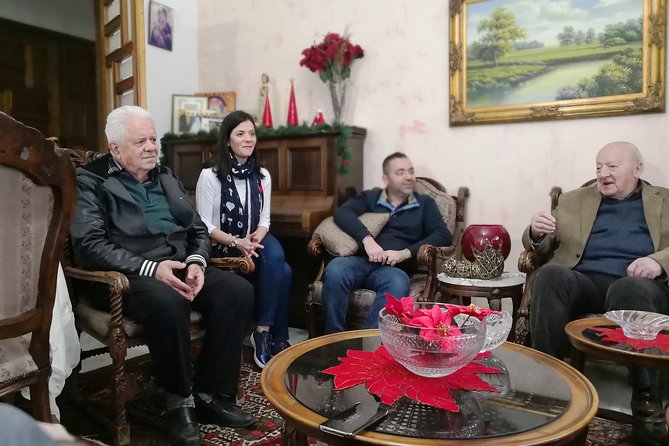
Tania brings an unusual professional background to the table. She is an agronomist and food safety specialist, as well as someone who enjoys music, travel, singing, and playing the piano. That mix gives her several ways to explain Lebanese food, from the care of ingredients to the way meals fit into family routines.
Her mother is the heart of the cooking tradition. She has prepared traditional meals for the family all her life and uses recipes passed through the family. I would pay close attention when she demonstrates a technique, especially if you normally rely on restaurant versions of hummus, eggplant dishes, or stuffed vegetables.
Tania’s father adds a different point of view. He is a retired butcher and is described as very serious about meat, which should appeal to anyone curious about Lebanese meat preparation. He also grows fruit and vegetables in a garden on the outskirts of Beirut, giving the family a direct connection to the ingredients on the table.
This combination is a major strength. You are not learning only from one host with a prepared script. You are spending time with a family whose members bring agriculture, food safety, butchery, gardening, and home cooking into the same conversation.
Cooking five Lebanese dishes by hand
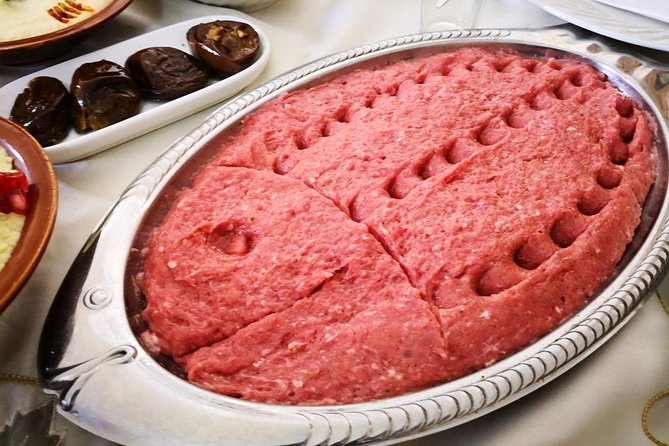
The lesson covers five authentic Lebanese dishes, although the precise selection can vary. Dishes specifically associated with this experience include hummus, baba ganoush, eggplant salad, stuffed zucchini, kibbeh, and kibbeh naye. You should not expect every named dish to appear in one session, but these examples show the range of food you may encounter.
Hummus and baba ganoush offer a useful introduction to the foundations of Lebanese home cooking. They look simple on a restaurant menu, yet the balance of texture and seasoning matters. In a family kitchen, you can ask why one preparation is smoother, smokier, thicker, or more sharply seasoned than another.
Eggplant salad continues that lesson in a different form. Eggplant is common in Lebanese cooking, and the dish gives you a chance to see how a familiar vegetable can become a central part of a meal rather than a side note. Tania’s family garden also adds meaning to the ingredient discussion, since the produce is tied to local growing and household use.
Stuffed zucchini shows the more hands-on side of the class. Stuffed vegetables take more patience than scooping dip into a bowl, so this is where the private format becomes useful. You can ask questions as you work and watch how the family handles the preparation without feeling that you are slowing down a large group.
Kibbeh brings meat into the lesson. Kibbeh naye is a raw meat preparation, so anyone considering it should tell the host about dietary preferences, restrictions, or concerns before booking. Tania’s father’s former work as a butcher makes his contribution especially relevant, though the supplied information does not promise that both kibbeh and kibbeh naye will be served every time.
The best approach is to arrive ready to participate. This is not the right choice if you want to sit quietly while someone else prepares every dish. It suits you if you enjoy chopping, shaping, mixing, tasting, and asking why a recipe is made in a particular way.
Sharing a home-cooked Lebanese meal
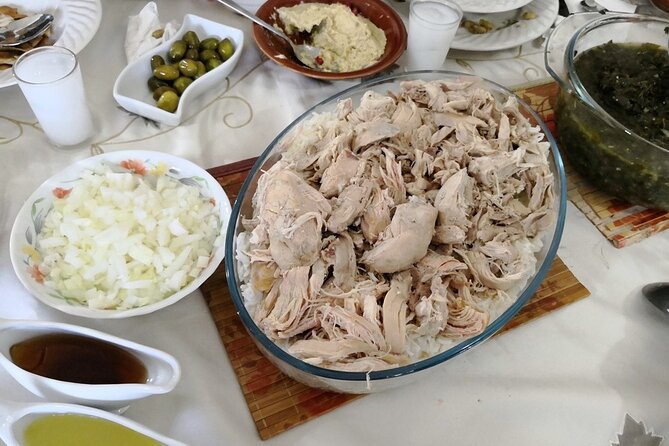
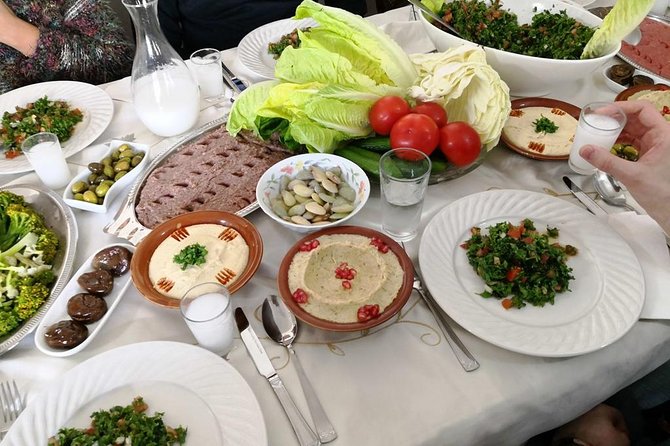
After the cooking, you sit down to eat what you helped prepare. That shift from kitchen work to a shared meal is important. The dishes are no longer abstract recipes, because you have seen the ingredients and taken part in the process.
The meal includes soft drinks and non-alcoholic beverages, plus one to two glasses of local alcohol. Arak is the key local drink associated with the experience. If you do not drink alcohol, you can still take part, but tell Tania about your preferences when you book so the meal suits you.
One of the strongest details from the experience is the sense of conversation around the food. The family discusses cooking, gardening, culture, and traditions, and Tania can also speak about her work in the food industry and her other ventures. This gives the meal a wider frame than a recipe class alone.
I especially like that the conversation is not limited to food history. You may talk about family life, work, travel, gardening, and the everyday choices behind a meal. That is often where a home visit earns its price. You come away with a better sense of how food connects people, not just a list of dishes to recreate.
A completely different kind of day out:
- Guided Small-Group Tour to Baalbek, Anjar and Ksara with Lunch
★ 5.0 · 511 reviews - Guided Small-Group Tour to Jeita, Harissa, Byblos with Lunch
★ 5.0 · 361 reviews - Paragliding Trip Over Lebanon – Jounieh Bay
★ 5.0 · 257 reviews - Jeita Grotto,Harissa&Byblos Full-Day PRIVATE-CAR Trip from Beirut
★ 5.0 · 222 reviews
What the garden adds to the experience
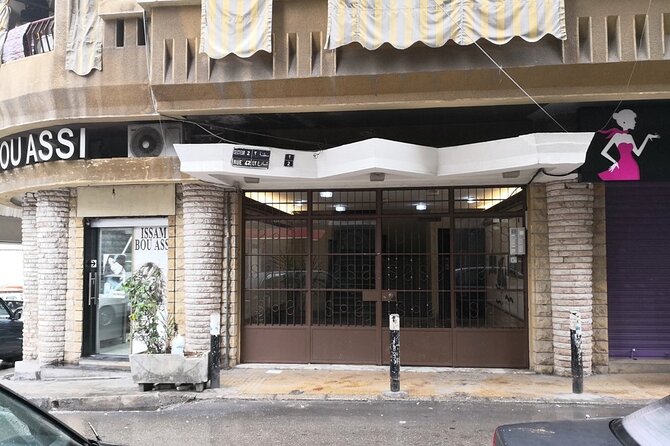
Much of the family’s produce comes from a garden outside Beirut. The fruit and vegetables are described as local, fresh, and organic, and Tania’s father tends the garden after retiring from his work as a butcher. This detail gives the class a useful farm-to-table connection without turning the experience into a formal agricultural tour.
You should keep your expectations sensible. The available information does not say that you will visit the garden during the three-hour class, so do not book this expecting a garden excursion. The value is in learning how the family grows and uses its own produce, and in seeing how that practice supports the home kitchen.
For you, the garden may make familiar dishes feel more connected to place. An eggplant salad or stuffed zucchini is not just a recipe when the family can talk about growing vegetables, buying locally, and using food at home. Tania’s professional training in agriculture also gives her a strong basis for explaining ingredients and food handling.
A private format with room for questions
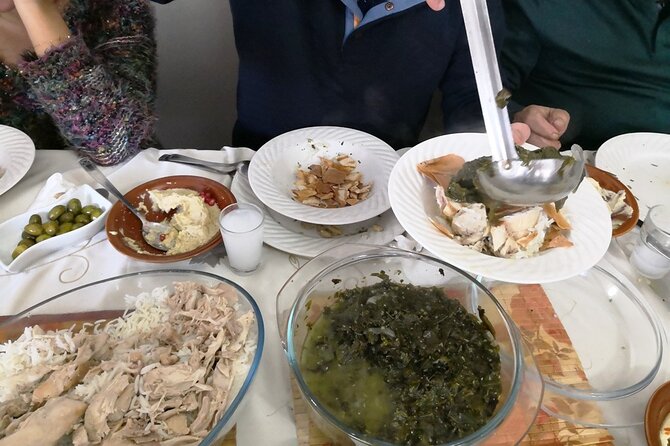
This is a private, personalized activity. Only your group participates, which is a real advantage for a cooking lesson. You can ask about ingredients, request clarification, and speak openly about your own cooking habits without competing with a large class.
The private format also helps if your group has different interests. One person may want to discuss Lebanese traditions, another may care about meat, and someone else may focus on vegetarian dishes. Tania and her parents can shape the conversation around your questions more easily than a guide leading a crowded demonstration.
A vegetarian option is available, but you need to request it at booking. You should also report allergies, dietary restrictions, and cooking preferences at that time. Service animals are allowed, though the experience takes place in a private home, so it is sensible to provide clear information in advance.
The intimate setting has one possible drawback. A home kitchen may not offer the same space or polished setup as a professional cooking school. That is part of the point, but you should choose this experience for personal contact and family food rather than for a carefully staged culinary classroom.
Is $100 per person good value?
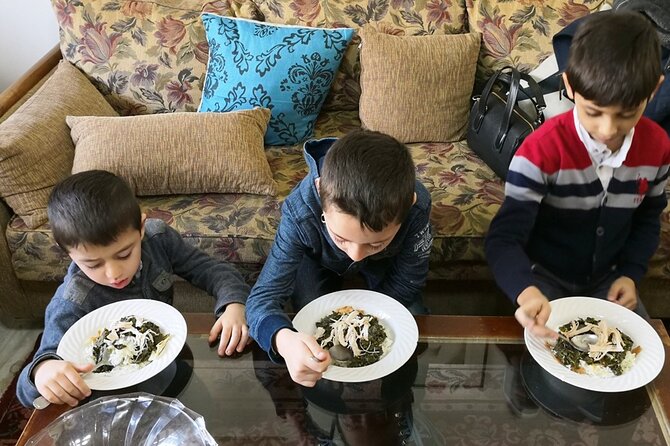
At $100 per person, this is not a bargain meal. You are paying for more than the food itself, though. The price covers a private lesson, a home-cooked meal, local alcoholic and non-alcoholic drinks, taxes, fees, handling charges, and gratuities.
I see the value most clearly for a couple, family, or small private group that wants a personal connection to Beirut. Five dishes, several hours with Tania and her parents, and the chance to ask questions can make the cost reasonable for someone who would otherwise spend money on both a cooking class and a restaurant meal.
The value is less clear if your only goal is to eat cheaply. Beirut has many ways to enjoy Lebanese food for less money, and this experience is not designed as a low-cost lunch. You are paying for access to a family home, the shared preparation, the stories, and the practical lessons around the table.
Group discounts may help if several people book together. Since the activity is private, ask about the discount before finalizing your plans. The experience is booked an average of 14 days ahead, so leaving it until the last minute may limit your choice of date.
Who will enjoy this Beirut food experience?
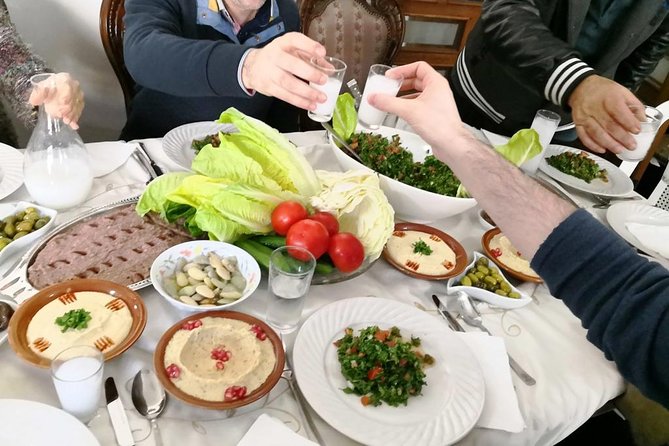
I would recommend it most strongly to people who plan trips around food. You will get more from the visit if you want to understand the ingredients, methods, and family customs behind Lebanese dishes rather than simply photograph a finished plate.
It also suits first-time visitors who want a human-scale introduction to Beirut. Instead of learning about Lebanon only through monuments or museums, you spend time with a local family and hear about food, work, gardening, and traditions in an ordinary domestic setting.
Families and private groups should find the format comfortable, particularly if everyone has different questions. Couples may enjoy the warm, social mood, while solo participants can benefit from the direct conversation with Tania and her parents.
This is not ideal for someone with a strict schedule or little interest in cooking. The class takes about three hours, begins at 11 a.m., and requires you to arrange your own transport to Forn El Chebbak. It is also important to discuss allergies and dietary restrictions before booking, especially if you are unsure about particular ingredients or raw meat dishes.
Booking, timing, and cancellation details
You receive confirmation at the time of booking. The activity begins at 11 a.m. and ends back at the meeting point after about three hours. Since transport is not included, allow enough time to reach Forn El Chebbak without cutting the start close.
You can cancel for a full refund if you do so at least two full days before the local start time. Cancellations made later are not refunded, and changes inside that same two-day window are not accepted. I would settle your meeting point, food requirements, and alcohol preferences before that deadline.
Should you book Tania’s family cooking lesson?
Book it if you want a personal Beirut experience built around food, conversation, and family life. Tania’s mix of food safety and agricultural experience, her mother’s lifetime of home cooking, and her father’s background as a butcher give the visit more depth than a standard recipe class.
The strongest reason to go is the family setting. You cook five Lebanese dishes, eat together, discuss local ingredients and traditions, and share arak if you choose. The main reasons to hesitate are the $100 price, the need to reach Forn El Chebbak independently, and the fact that this is a home visit rather than a polished cooking school.
For food-focused visitors, I think the personal contact makes the cost worthwhile. Arrive hungry, tell Tania about every dietary need in advance, and come ready to work with the family rather than simply watch them cook.
FAQ
How long does the cooking experience last?
The experience lasts approximately three hours.
What time does the activity begin?
The cooking lesson begins at 11 a.m.
Where does the experience start?
It starts in Forn El Chebbak, Lebanon.
Where does the experience end?
The activity ends back at the meeting point in Forn El Chebbak.
How many dishes will I learn to cook?
You will learn to cook five authentic Lebanese dishes. The exact selection may vary, with examples including hummus, baba ganoush, eggplant salad, stuffed zucchini, kibbeh, and kibbeh naye.
Is a vegetarian option available?
Yes. A vegetarian option is available, but you must request it when booking.
Are drinks included?
Yes. The experience includes non-alcoholic beverages and one to two glasses of local alcohol, including arak.
Is hotel pickup included?
No. Hotel pickup and drop-off are not included, so you must arrange your own transportation to and from Forn El Chebbak.
Just added in Beirut
- Wine Tasting Tour★ 5.0 · 2 reviews
- Lebanon tours vip jeitta byblos beirut we charge per vechile not per person.★ 5.0 · 1 review
- Lebanon’s Treasures: Jeita Grotto and Harissa Private Tour★ 5.0 · 2 reviews
- Small Group Tour to Baalbek, Anjar & Ksara with Hotel pickup★ 5.0 · 2 reviews
- Journey Through Time: A Private Tour of Tripoli and Byblos★ 5.0 · 1 review
- Guided Small-Group Tour to Baalbek, Cedars & Qozhaya with Lunch★ 5.0 · 2 reviews
- Small-Group Tour with Lunch to Sidon, Tyre & Maghdouche★ 5.0 · 2 reviews
- Small-Group Tour Qadisha Valley, Becharre and Cedars with Lunch and Tickets★ 5.0 · 1 review
Workshops
Private Lebanese Cooking Class in Beirut with Amal + Transfers
Read our review →
Authentic Lebanese Virtual Cooking Class Live from Lebanon
Read our review →