REVIEW · BAALBEK ANJAR AND KSARA DAY TRIPS
Baalbek, Anjar & Ksara: Private Tour Through Lebanon’s Treasures
Roman giants and Umayyad streets await. This full-day trip from Beirut packs Baalbek, Anjar, and Chateau Ksara into about eight hours, with a private air-conditioned vehicle and hotel pickup included. I like the freedom of traveling with only your own group, and I like that the route links two major archaeological sites with a Lebanese wine stop.
The main drawback is cost control: admission fees and lunch are extra, and the day covers a lot of ground. The tour price is $65 per person, which is appealing for private transport, but you should confirm the entry fees and wine visit arrangements before setting out.
In This Review
- Key things to know before booking
- Why this Beirut day trip works so well
- Leaving Beirut for the Beqaa Valley
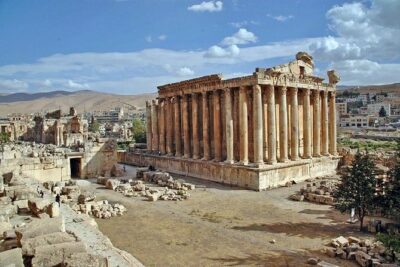
- Baalbek’s Roman sanctuary and colossal scale
- The Stone of the Pregnant Woman, a quick lesson in Roman engineering
- Anjar’s planned Umayyad city
- Chateau Ksara and Lebanon’s Beqaa wine
- Is $65 per person good value?
- Who will enjoy this tour most?
- Practical advice for a smoother day
- Should you book Baalbek, Anjar, and Ksara?
- FAQ
- What time does the tour start?
- How long does the experience last?
- Is hotel pickup included?
- Is the tour private?
- Is transportation air-conditioned?
- Is an English-speaking driver included?
- Are lunch and admission tickets included?
Key things to know before booking
- Baalbek’s Roman temples are the main event: Allow about 90 minutes to see the sanctuary and its enormous columns, courtyards, and carved stonework.
- The Stone of the Pregnant Woman adds a striking 15-minute stop: This massive Roman block helps explain how ambitious the nearby temple builders were.
- Anjar offers a sharp change of era: Its orderly Umayyad streets, palace remains, mosque, baths, and arcades date from the early eighth century.
- The private format gives you breathing room: You are not tied to a large group or a fixed pace, although the driver is described as English-speaking rather than a dedicated historian.
- Chateau Ksara brings wine into the history day: The Beqaa producer dates to 1857 and offers a chance to buy local bottles.
- Hotel transfers simplify a long day from Beirut: Pickup begins at 9:00 am, with drop-off included afterward.
Why this Beirut day trip works so well
Lebanon packs startling changes into a small area. In one day, you move from Roman imperial religion to Umayyad city planning, then finish among vineyards and wine cellars in the Beqaa Valley. That range gives the excursion more shape than a simple ruins tour.
I especially like the private setup. You can ask for a slower look at a carved doorway, take a few extra minutes at a viewpoint, or move on when your attention starts to fade. That matters at Baalbek, where the scale can be hard to absorb if you are hurried through with a big bus group.
The route is also practical for anyone based in Beirut. Hotel pickup and drop-off remove the need to arrange separate transport to Baalbek and Anjar. The air-conditioned vehicle matters too, since the drive and the sightseeing together make this a full day.
Still, this is not a guided museum tour from beginning to end. The listed service provides an English-speaking driver, while one particularly strong account praises Albert for his care and detail, along with an archaeologist who guided the Baalbek visit. If that same team is available, the historical side of the day becomes much stronger. When booking, ask exactly who will accompany you at each site.
More Baalbek and Bekaa day trips:
- Guided Small-Group Tour to Baalbek, Anjar and Ksara with Lunch
★ 5.0 · 511 reviews - Anjar, Baalbek & Ksara Day Trip – With Lunch (4G on Board)
★ 4.5 · 181 reviews - Baalbek – Anjar – Ksara Trip From Beirut
★ 4.5 · 80 reviews
Leaving Beirut for the Beqaa Valley
The pickup time is 9:00 am, and the tour lasts roughly eight hours. That gives you a useful full-day outline, though the actual rhythm can change with road conditions, time spent at the ruins, and the wine stop.
The Beqaa Valley is the natural setting for this route. Baalbek lies near the southwestern slope of the Anti-Lebanon range at about 1,150 meters, beside a fertile plain. You get more than a collection of old stones here. The valley explains why this area supported major religious centers and sat along routes linking coastal Lebanon with inland Syria and other parts of the region.
A private vehicle also means you do not need to piece together several local connections. That is one of the tour’s strongest practical points. You can leave the driving to someone else and keep your energy for the sites.
Lunch is not included, so plan for that extra cost. The supplied schedule does not name a restaurant or set lunch location, so ask the operator how much time is normally allowed and where lunch fits into the day.
Baalbek’s Roman sanctuary and colossal scale
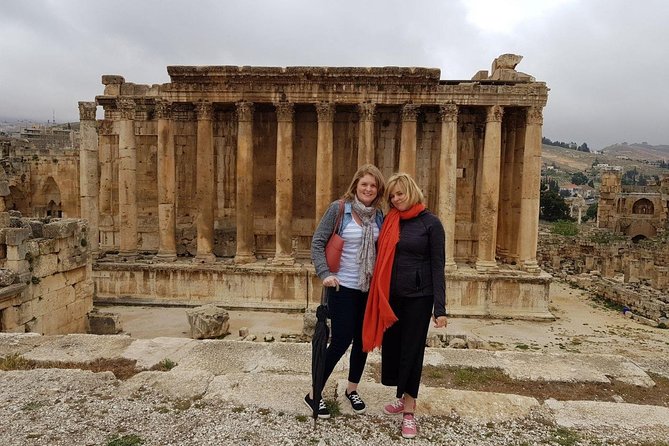
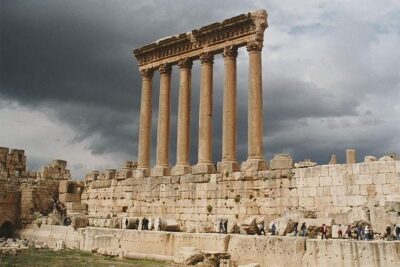
Baalbek deserves the longest stop, and the planned 90 minutes is a sensible minimum. The sanctuary reached its height during Roman times, after more than two centuries of building. Its scale is the first thing you notice, but the real pleasure comes from looking at how the complex was arranged as a place of worship.
The Roman sanctuary honored the Heliopolitan Triad: Jupiter, Venus, and Bacchus. These Roman names cover an older Phoenician religious tradition, so the site reflects several layers of belief rather than a single imported Roman idea.
You can expect to see the remains of temples and the grand architectural spaces that made Baalbek one of the major sanctuaries of the Roman world. The columns and stone blocks are not delicate museum pieces. They give you a direct sense of the force, money, and labor needed to build here.
This is where a good guide makes a real difference. An archaeologist leading the Baalbek visit can point out construction details, explain the religious setting, and help you read the ruins instead of simply photographing them. Albert is praised for being attentive and clear, so his involvement would be a real benefit.
The possible weakness is the time limit. Ninety minutes can pass quickly, especially if you want to study the major temple areas, listen to detailed explanations, and take photographs. If Baalbek is your main reason for booking, tell the operator before departure that you want the site treated as the priority.
Admission to the Baalbek temple complex is not included in the $65 price. That does not make the tour poor value, but you should add the ticket to your budget rather than treating the advertised price as the complete day’s cost.
The Stone of the Pregnant Woman, a quick lesson in Roman engineering
The nearby Stone of the Pregnant Woman receives about 15 minutes. That sounds brief, but it is enough for a close look and a useful explanation of the building methods behind Baalbek.
This worked Roman monolith is among the largest quarried stone blocks known, along with another ancient block close by. The stones were apparently intended for the Roman temple complex. Their size helps you understand that Baalbek’s grandeur was not only about columns and decoration. The builders were also handling enormous blocks with tools and methods that remain impressive today.
The stop is free, which makes it an easy addition to the day. Do not expect a full archaeological visit here. It is best treated as a short, memorable pause that adds scale to what you have just seen at the temples.
A completely different kind of day out:
- Guided Small-Group Tour to Jeita, Harissa, Byblos with Lunch
★ 5.0 · 361 reviews - Paragliding Trip Over Lebanon – Jounieh Bay
★ 5.0 · 257 reviews - Jeita Grotto,Harissa&Byblos Full-Day PRIVATE-CAR Trip from Beirut
★ 5.0 · 222 reviews - First Paragliding Club in Lebanon – Since 1992
★ 5.0 · 193 reviews
Anjar’s planned Umayyad city
Anjar changes the mood completely. Founded by Caliph Walid I at the beginning of the eighth century, the city was built with a notably regular plan. Instead of the monumental religious focus of Baalbek, Anjar gives you the remains of an inland commercial center organized around streets and public buildings.
You have about 45 minutes at the city, followed by another 45 minutes for the Umayyad ruins. In practice, these are two parts of one archaeological stop. The first portion introduces the city, while the second lets you examine its palace walls, mosque, baths, arcades, and other remains.
Anjar sat at the crossroads of important routes. One route linked Beirut with Damascus, while another crossed the Beqaa between Homs and Tiberiade. That position helps explain why the city was laid out as a trading and administrative center rather than as an isolated palace.
The ruins include the great palace of the caliph, a harem area, thermal baths, and many pillars. Some pillars show Roman architectural influence, which gives the site an interesting visual link with Baalbek. You are not seeing Roman ruins simply repeated in another place. You are seeing later builders use and adapt architectural ideas within an Umayyad city.
The site was only identified by archaeologists in the late 1940s, a detail that adds a sense of discovery without needing exaggerated claims. Anjar is also less immediately overwhelming than Baalbek. I find that useful because the orderly layout gives you a chance to think about how a city functioned.
Admission to the Umayyad ruins is not included. The schedule lists Anjar admission separately as not included as well, so clarify whether there is one combined ticket or more than one charge. The supplied information does not give the current prices.
Chateau Ksara and Lebanon’s Beqaa wine
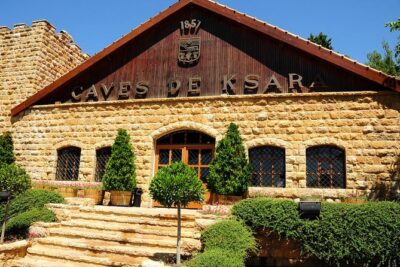
The final listed stop is Chateau Ksara, with about an hour set aside. Founded by Jesuit priests in 1857, the company developed Lebanon’s first dry wine and now produces about three million bottles a year, exporting to more than 40 countries.
After a morning and early afternoon of stonework, temples, and palace ruins, the wine stop gives the day a different finish. You have the chance to learn about or purchase local vintages, depending on the arrangements made for your visit.
Do not assume that wine tasting is automatically included. The stop’s admission is not included, and the tour description specifically says the visit provides a chance to purchase local wines. Ask in advance what the hour includes, especially if you want a tasting rather than a shop visit.
The stop will suit you if you enjoy connecting history with present-day local production. It may feel less important if your only goal is archaeology. In that case, you could ask how flexible the private itinerary is, though no altered route is promised in the supplied details.
Is $65 per person good value?
At $65 per person, the tour is priced attractively for a private day from Beirut. You receive hotel pickup and drop-off, private transportation, an air-conditioned vehicle, and an English-speaking driver. Booking as a private group also lets you divide the cost among your own party, and group discounts may be available.
The value depends on what you would otherwise pay for transport. Reaching two major sites in the Beqaa Valley independently would require more planning, and you would still need to arrange a vehicle for the full route. Here, the driving is handled and the three main stops are joined into one day.
The price does not cover lunch or admission at Baalbek, Anjar, and Chateau Ksara. The Stone of the Pregnant Woman is free. Those extras are not unusual for a day tour, but they mean you should compare the full expected cost, not just the headline rate.
The private format is the main reason to choose this option over a cheaper shared excursion. If you are traveling with family or friends, the ability to keep your own pace may be worth more than a small saving. If you are alone and care mainly about the lowest price, a group tour could cost less, but you would give up the private setting.
Who will enjoy this tour most?
I would recommend this trip to you if you want several of Lebanon’s major sights in one day and prefer not to organize the transport yourself. It suits history fans, first-time visitors based in Beirut, and small groups that want a flexible vehicle rather than a crowded coach.
It also works for mixed-interest groups. Someone fascinated by Roman architecture can focus on Baalbek, while another person may prefer Anjar’s city plan or the wine stop at Ksara. That variety keeps the day from feeling like eight hours of similar ruins.
You should think twice if you dislike long sightseeing days or want a slow, detailed study of one site. Baalbek alone can fill much of a day for an enthusiastic history reader, and the route adds Anjar and Ksara afterward.
You should also ask about the guiding arrangement. The strongest praise is directed at Albert’s personal attention and at an archaeologist who guided Baalbek. Since the standard description centers on an English-speaking driver, it is worth confirming whether a dedicated guide is included, available on request, or provided only at certain locations.
Practical advice for a smoother day
Wear shoes suited to uneven historic ground. The tour information does not give detailed accessibility notes, so ask the operator about surfaces and walking needs if that matters for your group.
Keep some time and money available for the extras. Lunch is not included, and the entry charges for Baalbek, Anjar, and Chateau Ksara are outside the tour price. The only listed free admission is for the Stone of the Pregnant Woman.
Use the private format to set priorities early. If the temples at Baalbek matter most, say so at pickup. If you would rather spend longer at Ksara, ask about the timing before the day begins.
The tour is booked, on average, 11 days ahead. That is not a guarantee of availability, but it is a useful reason to reserve early if your Beirut dates are fixed. Confirmation is received at booking, and free cancellation is available until 24 hours before the start time. Cancellations or changes within 24 hours are not refunded or accepted.
Should you book Baalbek, Anjar, and Ksara?
Book it if you want an efficient private day that combines Roman monuments, Umayyad city ruins, and Lebanese wine without arranging transport yourself. The $65 per-person price is a good starting value, especially for a small group, but budget separately for lunch and site admissions.
Before paying, confirm two points: the exact entry costs and whether a dedicated guide will join you at Baalbek. If Albert or an archaeologist is available, the experience gains much more than a driver-led transfer alone. For a first visit to Lebanon, this is a strong way to reach the Beqaa Valley and see three very different sides of the country in one well-packed day.
FAQ
What time does the tour start?
The tour starts at 9:00 am.
How long does the experience last?
The tour lasts approximately eight hours.
Is hotel pickup included?
Yes. Hotel pickup and drop-off are included.
Is the tour private?
Yes. Only your group participates in the private tour or activity.
Is transportation air-conditioned?
Yes. The tour includes private transportation in an air-conditioned vehicle.
Is an English-speaking driver included?
Yes. An English-speaking driver is included.
Are lunch and admission tickets included?
No. Lunch is not included. Admission fees for the Baalbek temples, Anjar, and Chateau Ksara are not included. The Stone of the Pregnant Woman has free admission.
Just added in Beirut
- Private Guided Tour of Beiteddine and Deir el Qamar★ 5.0 · 2 reviews
- Unveiling the Charms of Chouf Cedars, Baalbek Temples & Ksara★ 5.0 · 1 review
- Discover Lebanon: Private Tour to Jeita Grotto, Harissa & Byblos★ 5.0 · 1 review
- Exploring Lebanon’s: Journey to Beit elDin, Deir ElQamar & Cedars★ 5.0 · 2 reviews
- Discovering Lebanon’s Charms: A Private Tour to Tripoli & Batroun★ 5.0 · 1 review
- Exploring History & Viticulture: Private Tour to Baalbek & Ksara★ 5.0 · 1 review
- Private Wine Tasting Day Tour from Beirut★ 5.0 · 1 review
- Private Full-Day Tour to Qadisha valley, Cedars of God and Baalbek from Beirut★ 5.0 · 1 review
Baalbek Anjar and Ksara Day Trips
Anjar, Baalbek & Ksara Day Trip – With Lunch (4G on Board)
Read our review →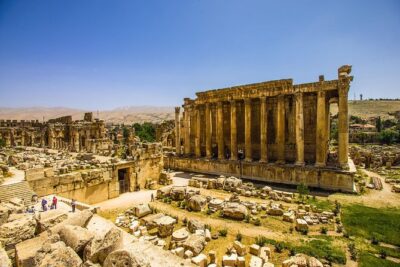
Private Anjar and Baalbek Tour from Beirut with Departure Ticket
Read our review →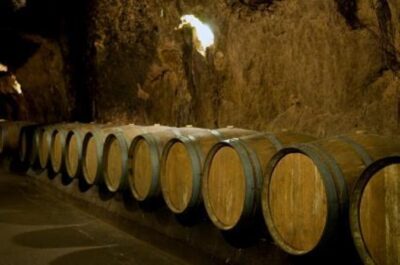
Guided Private Full Day Tour to Baalbek, Anjar and Chateau Ksara
Read our review →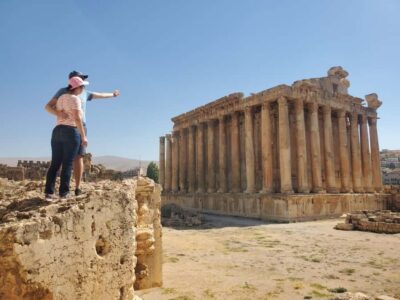
Baalbek Temples & Ksara Caves w/pick-up,guide, entries+lunch
Read our review →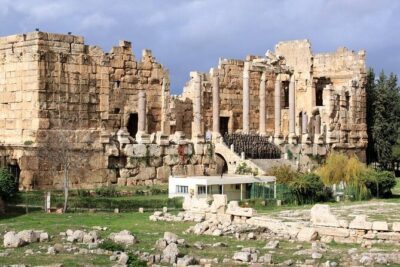
Small Group Tours to Baalbek, Anjar & Chateau Ksara with lunch and Tickets
Read our review →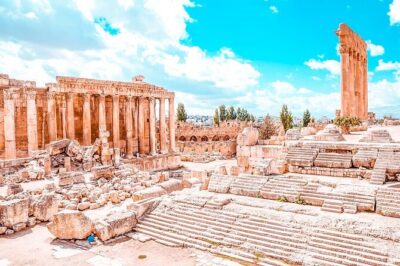
Private Tour: Anjar, Baalbek and Ksara Day Trip from Beirut
Read our review →