REVIEW · BAALBEK ANJAR AND KSARA DAY TRIPS
Anjar, Baalbeck and Ksara
Ancient stones, living wine. This private day trip links Baalbeck, Anjar, and Château Ksara, giving you three very different views of Lebanon in one long outing. I like the strong mix of archaeology and local wine, and I also like the private format, which lets your group travel with guide and driver Fadi Eid rather than follow a large coach. The main drawback is the length: eight to nine hours is a full day, and the route leaves little room for an unhurried pace.
The $140 price is easiest to justify if you value private transport, a personal guide, and a flexible day. Fadi has been praised for punctuality, clean vehicles, prompt WhatsApp replies, strong English, and adapting plans to suit his guests. Still, you should confirm exactly what the price includes, especially food, drinks, and any wine purchases, before booking.
In This Review
- Key points to know before you go
- Why this Beirut day trip works
- The long road from Beirut to Baalbeck
- Baalbeck and the scale of Heliopolis
- Anjar’s planned streets and thick walls
- Château Ksara and Lebanon’s wine tradition
- What private guiding with Fadi Eid adds
- Is $140 per person good value?
- Who should book this experience?
- Final verdict: a strong three-part day
- FAQ
- Where does the tour start?
- Where does the tour end?
- How long does the experience last?
- Is pickup available?
- Is this a private tour?
- Which places does the tour visit?
- Is Baalbeck admission included?
- Is the tour suitable for most participants?
- What is the cancellation policy?
Key points to know before you go
- Baalbeck brings the biggest visual payoff, with some of the largest and best-preserved Roman ruins in the ancient world.
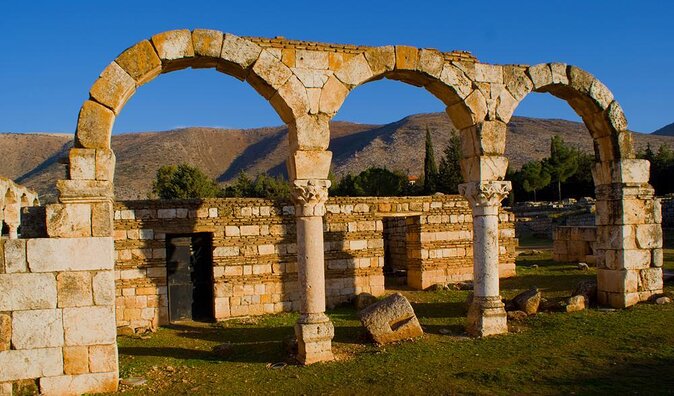
- Anjar is a different kind of archaeological stop, built around broad avenues, fortified walls, palaces, baths, mosques, and storehouses.
- Château Ksara adds a modern Lebanese flavor, with wine production dating to 1857 and a long connection to Jesuit priests.
- Fadi Eid handles the day privately, so your group is not combined with strangers.
- The route takes about eight to nine hours, with pickup and return at Promedz Lebanon S.A.L. on Phoenicia Street in Beirut.
- Free cancellation applies up to 24 hours before departure, but late changes and cancellations are not refunded.
Why this Beirut day trip works

Lebanon packs a surprising amount into a small country, and this excursion shows that range well. In one day, you move from a Roman religious center to a fortified medieval city and then to one of the country’s best-known wine producers.
I especially like the contrast. Baalbeck is monumental and theatrical. Anjar feels more like the remains of a planned city, where the street layout helps you picture daily life. Ksara changes the mood again, replacing carved stone with cellars, bottles, and a taste of Lebanon’s long wine-making tradition.
The private setup matters here. A fixed group tour can make a day like this feel rushed, especially when the archaeological sites need time to understand. With only your own group participating, you can ask Fadi to explain a feature again, pause for photographs, or adjust the rhythm within the limits of the day.
There is also practical comfort in having one person manage the driving and guiding. Past praise for Fadi focuses on his reliability, clean vehicles, flexibility, and willingness to organize extra arrangements, including airport transfers and additional tours. That does not guarantee every detail of your own day, but it gives you a useful sense of the service style.
More Baalbek and Bekaa day trips:
- Guided Small-Group Tour to Baalbek, Anjar and Ksara with Lunch
★ 5.0 · 511 reviews - Anjar, Baalbek & Ksara Day Trip – With Lunch (4G on Board)
★ 4.5 · 181 reviews - Baalbek – Anjar – Ksara Trip From Beirut
★ 4.5 · 80 reviews
The long road from Beirut to Baalbeck
The day begins at Promedz Lebanon S.A.L., Phoenicia Street, Sfeir Building, in Beirut. Pickup is offered, and the tour returns to the same meeting point at the end.
The drive is an important part of the experience, not just dead time between attractions. You are leaving Beirut for the Beqaa Valley, where the three main stops sit within the same broad inland region. The total outing lasts around eight to nine hours, so plan for a full day away from the city.
Because the exact stop-by-stop timing is not supplied, ask Fadi how much time he expects to allocate at Anjar, Baalbeck, and Ksara. The experience is presented as an eight-hour visit, but traffic, time at the ruins, and the wine stop can affect the final return time.
A private vehicle also helps if you want to travel without the usual pressure of a large group. Fadi has been praised for arriving on time and for arranging tours around personal preferences. If you have a particular interest in Roman architecture, religious buildings, or wine, mention it before departure.
Baalbeck and the scale of Heliopolis
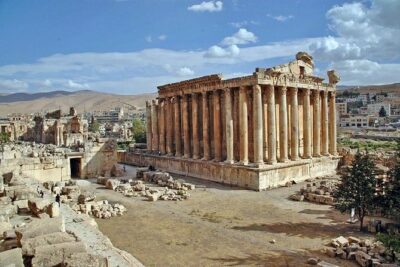
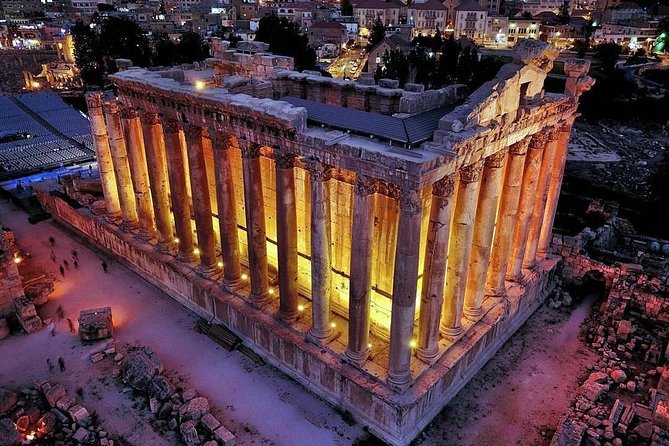
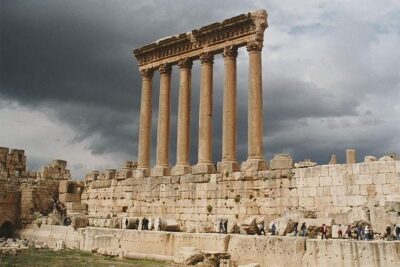
Baalbeck is the star of the day. The site was once Heliopolis, the Roman city of the sun, and its surviving temples rank among Lebanon’s greatest ancient monuments.
The first thing to understand is scale. These are not modest ruins that you finish in twenty minutes. The Roman remains include huge columns, broad platforms, and temple structures that help explain why Baalbeck is often counted among the wonders of the ancient world.
I like Baalbeck because it makes Roman engineering feel physical. You are not simply reading about imperial power or sacred architecture. You are looking at stones and building fragments that show the resources, labor, and ambition behind the city.
The site also rewards a guide. A good explanation can turn a large collection of columns into a readable place, with religious and civic functions connected to the layout. Fadi’s private guiding style is frequently praised for being informative, adaptable, and easy to discuss, which suits a place where you may have many questions.
Give yourself time to look beyond the famous views. Large monuments naturally attract attention, but the smaller details help you picture Baalbeck as a working Roman city rather than a scenic ruin. Notice how the remains are arranged, how the buildings relate to one another, and how much stone has survived.
The main caution is simple: Baalbeck can be overwhelming. If you expect a quick photo stop, you may leave feeling that you only saw the surface. On the other hand, travelers who love ancient architecture may wish the day offered even longer at the site. Your private format helps, but the overall schedule still has three destinations.
The admission entry for the Baalbeck stop is shown as free in the tour details. Since the full experience costs $140 per person, you should still confirm whether any other entrance fees, tasting charges, meals, or purchases are separate.
Anjar’s planned streets and thick walls
Anjar provides a sharp contrast with Baalbeck. Rather than one giant Roman temple complex, you see the remains of a city arranged around wide avenues and enclosed by strong defensive walls.
The ruins cover about 114,000 square meters. The surrounding stone walls are more than two meters thick and about seven meters high, giving the site a clear sense of enclosure and protection.
Inside, the city once contained mosques, palaces, baths, storehouses, and residences. That list is useful because it shifts your attention from grand monuments to urban life. You can think about where people lived, stored goods, bathed, worshipped, and moved through the city.
I like Anjar as the middle part of the route because it slows the visual rhythm. Baalbeck delivers giant architectural drama. Anjar asks you to follow streets and imagine a community operating inside a planned, fortified space.
The broad avenues are especially important. They help you read the ruins as a city, not a random scattering of walls. Ask Fadi to point out how the main routes connect the public and private areas, if that is part of his commentary on the day.
The drawback is that ruins of this sort can feel less immediately spectacular than Baalbeck. If you prefer giant columns and famous monuments, Anjar may seem quieter. If you enjoy understanding how a settlement functioned, it may become one of the most rewarding stops.
The available schedule gives the most detail to Baalbeck, so ask how much time is planned for Anjar. That small question can make a real difference. A short visit gives you a quick look at the walls and avenues. A longer visit lets you make sense of the baths, palaces, religious buildings, and residences.
A completely different kind of day out:
- Guided Small-Group Tour to Jeita, Harissa, Byblos with Lunch
★ 5.0 · 361 reviews - Paragliding Trip Over Lebanon – Jounieh Bay
★ 5.0 · 257 reviews - Jeita Grotto,Harissa&Byblos Full-Day PRIVATE-CAR Trip from Beirut
★ 5.0 · 222 reviews - First Paragliding Club in Lebanon – Since 1992
★ 5.0 · 193 reviews
Château Ksara and Lebanon’s wine tradition
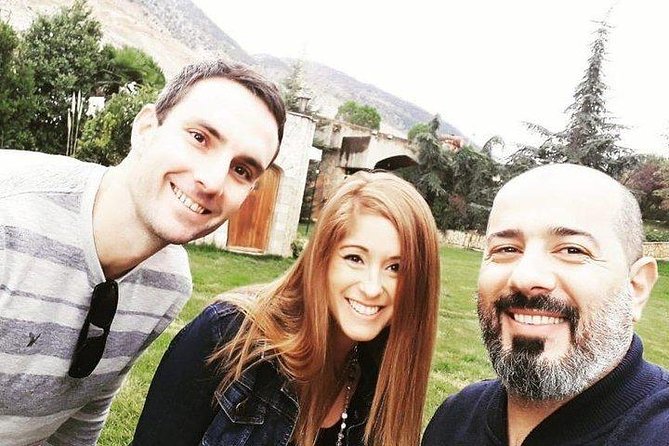
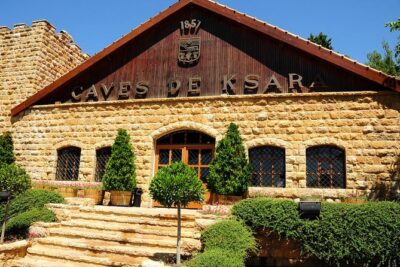
Château Ksara changes the subject from ancient cities to a working Lebanese wine company. It was founded in 1857 by Jesuit priests and is associated with producing Lebanon’s first dry wine.
That background gives the tasting more meaning than a simple stop for a drink. You are sampling part of a local agricultural and commercial tradition that has continued for generations.
You should expect the wine portion to provide a pleasant counterpoint to the ruins. After hours of stone, walls, and ancient building plans, Ksara offers a more relaxed setting and a chance to taste products connected to the Beqaa Valley.
The available information does not specify the number of wines poured, the tasting format, the cellar route, or whether the tasting is included in the $140 price. Confirm those details before you go. It is also sensible to ask about the cost of bottles or other purchases if you are interested in taking wine home.
Ksara may be the stop you appreciate most if you want a day that includes food and drink culture, not only archaeology. If wine is not important to you, the stop may feel less essential than Baalbeck or Anjar. Even then, it gives the itinerary a welcome change of pace.
What private guiding with Fadi Eid adds
Fadi Eid is the central contact for Lebanon Tours Online. The strongest praise connected with his service concerns punctuality, flexibility, clean vehicles, prompt communication, and personal attention.
One useful detail is that communication through WhatsApp has been described as quick and responsive. That can help when arranging pickup details or discussing changes before the day begins.
Fadi has also organized tailor-made tours, airport pickups, drop-offs, and multi-day programs around Lebanon. For this excursion, the benefit is not that you can assume every request will be granted. The benefit is that you have a direct person to discuss the day with rather than an anonymous schedule.
The private arrangement means only your own group participates. That suits couples, families, and friends who want to talk freely or set a comfortable pace. It also helps if your group has mixed interests, since one person may want more Roman history while another is most interested in wine.
No tour guide can remove the limits of a long day. Traffic and site hours still matter, and a private vehicle does not make the three-stop route short. Go in with realistic expectations: this is a broad introduction to the Beqaa Valley, not a slow archaeological study of each location.
Is $140 per person good value?
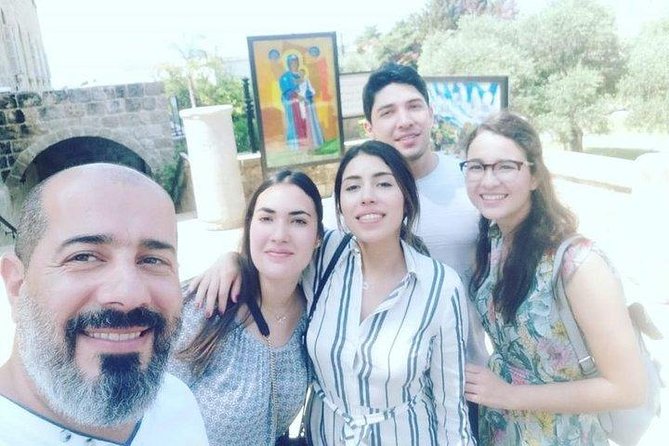
At $140 per person, this is not the cheapest way to see the sites. The value depends on what the price covers and how much you value private service.
The strongest case for the price is convenience. Pickup is offered, the route is organized, and your group has its own guide and vehicle. You are paying for more than entry to ancient ruins. You are paying for transport from Beirut, route planning, local assistance, and the ability to discuss the day directly with Fadi.
The value looks better for two or more people sharing the private experience than for a solo visitor paying the full per-person rate. It also suits anyone who does not want to work out long-distance transport between Beirut and the Beqaa Valley.
Before booking, ask four practical questions:
- Is the wine tasting included?
- Are all entrance fees included?
- Are meals or drinks included?
- What vehicle and pickup timing should you expect?
The tour details confirm free cancellation if you cancel at least 24 hours before the start time. Inside that window, the payment is not refunded, and changes are not accepted. Keep the local cutoff time in mind.
Who should book this experience?
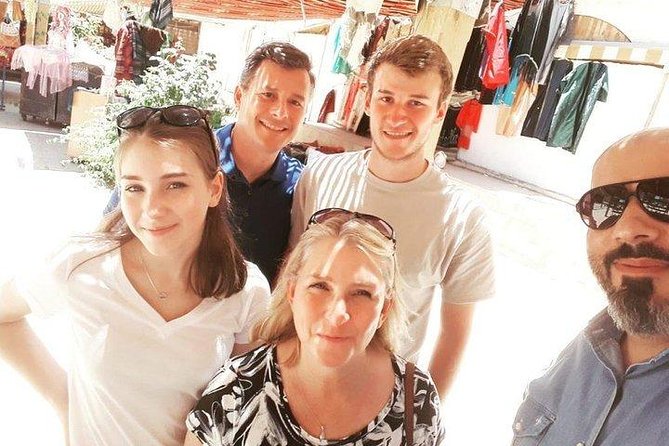
I would recommend it to a first-time visitor who wants Lebanon’s major inland highlights in one organized day. It also suits people who enjoy mixing ancient sites with food and wine rather than spending the whole day among ruins.
History fans should be happy with Baalbeck and Anjar, especially if Fadi gives enough context to connect the buildings to everyday life. Wine lovers gain an additional reason to choose the route through Château Ksara.
Families and small groups may appreciate the private structure. You can manage your own conversations and avoid waiting for a large bus group. The tour is also described as suitable for most participants and located near public transportation, though pickup arrangements should be confirmed directly.
I would hesitate only if you dislike long day trips, want many hours at each site, or care little about wine. In that case, a shorter Beirut-based activity or a more focused Baalbeck visit may fit better.
Final verdict: a strong three-part day
This is a well-balanced introduction to the Beqaa Valley. Baalbeck supplies the unforgettable scale, Anjar adds urban detail and fortified history, and Ksara brings a distinctly Lebanese wine tradition into the day.
The tour earns its strongest marks from its private format and Fadi Eid’s reported reliability. Clean vehicles, prompt replies, punctual service, and flexible planning are practical advantages, not decoration.
Book it if you want a full, efficient day from Beirut and appreciate having a dedicated guide. Before paying, confirm the timing and what the $140 includes. If you do, this should be a rewarding choice for seeing three very different sides of Lebanon without arranging the route yourself.
FAQ
Where does the tour start?
It starts at Promedz Lebanon S.A.L., Phoenicia Street, Sfeir Building, Beirut, Lebanon.
Where does the tour end?
The activity ends back at the meeting point in Beirut.
How long does the experience last?
The tour lasts approximately eight to nine hours. The Baalbeck stop is listed as eight hours in the itinerary details.
Is pickup available?
Yes. Pickup is offered, but you should confirm the exact pickup arrangement when booking.
Is this a private tour?
Yes. Only your own group participates in the activity.
Which places does the tour visit?
The experience combines Baalbeck, Anjar, and Château Ksara in Lebanon’s Beqaa Valley region.
Is Baalbeck admission included?
The Baalbeck stop is listed with admission ticket free. Confirm whether any other entrance fees connected with the full day are separate.
Is the tour suitable for most participants?
The tour information says most participants can take part. It is also near public transportation.
What is the cancellation policy?
You can cancel at least 24 hours before the start time for a full refund. Cancellations or changes made within 24 hours are not accepted and are not refunded.
Just added in Beirut
- Wine Tasting Tour★ 5.0 · 2 reviews
- Lebanon tours vip jeitta byblos beirut we charge per vechile not per person.★ 5.0 · 1 review
- Lebanon’s Treasures: Jeita Grotto and Harissa Private Tour★ 5.0 · 2 reviews
- Small Group Tour to Baalbek, Anjar & Ksara with Hotel pickup★ 5.0 · 2 reviews
- Journey Through Time: A Private Tour of Tripoli and Byblos★ 5.0 · 1 review
- Guided Small-Group Tour to Baalbek, Cedars & Qozhaya with Lunch★ 5.0 · 2 reviews
- Small-Group Tour with Lunch to Sidon, Tyre & Maghdouche★ 5.0 · 2 reviews
- Small-Group Tour Qadisha Valley, Becharre and Cedars with Lunch and Tickets★ 5.0 · 1 review
Baalbek Anjar and Ksara Day Trips
Anjar, Baalbek & Ksara Day Trip – With Lunch (4G on Board)
Read our review →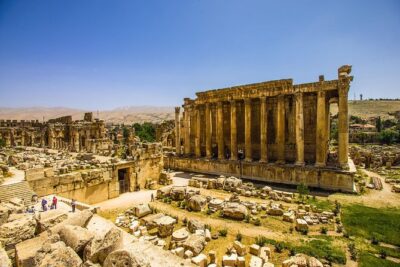
Private Anjar and Baalbek Tour from Beirut with Departure Ticket
Read our review →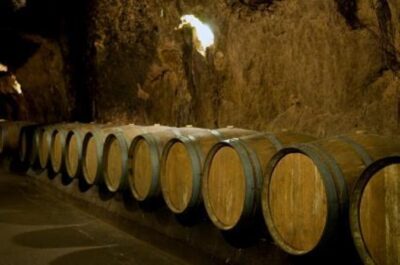
Guided Private Full Day Tour to Baalbek, Anjar and Chateau Ksara
Read our review →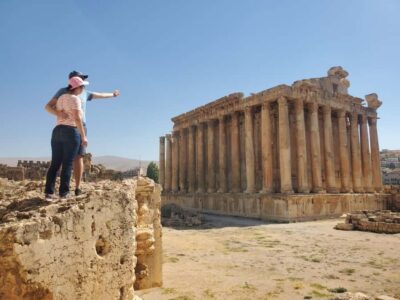
Baalbek Temples & Ksara Caves w/pick-up,guide, entries+lunch
Read our review →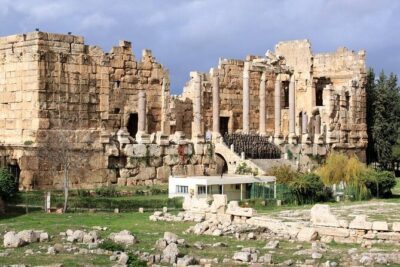
Small Group Tours to Baalbek, Anjar & Chateau Ksara with lunch and Tickets
Read our review →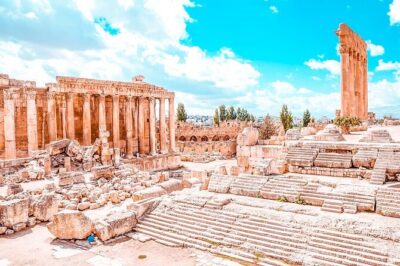
Private Tour: Anjar, Baalbek and Ksara Day Trip from Beirut
Read our review →