REVIEW · BEITEDDINE AND DEIR EL QAMAR
Small-Group Tour to Beirut, Beiteddine and Deir El Qamar with Lunch and Tickets
Beirut tells its story in layers. This 8-hour small-group tour moves from seaside views and Ottoman-era landmarks to Beiteddine Palace and the old village of Deir el Qamar, with lunch, entrance tickets, transport, and hotel pickup included. I especially like the wide range of sights and the chance to see both central Beirut and the Chouf mountain area in one day. I also like the small maximum of 15 people, which should make questions and conversation easier than on a large coach trip.
The main drawback is the pace. You have many short stops in Beirut, often only 10 or 15 minutes, before spending longer at Beiteddine Palace and Deir el Qamar. If you prefer slow museum visits or plenty of time for photographs, this tour may feel brisk. A single review praised guide Pierre for making the day informative and fun, and called the lunch excellent, but there is only limited independent feedback to judge the experience by.
In This Review
- Key points to know before booking
- From Nejme Square to Martyrs’ Square
- Beirut’s waterfront, from Zaitunay Bay to Pigeon Rocks
- The Holiday Inn and Beirut’s war memory
- Downtown’s mosque, churches, souks, and Roman baths
- Beiteddine Palace is the day’s centerpiece
- Deir el Qamar, a village with several faiths
- Lunch, transport, and the $99 price
- What to know about the pace
- Should you book this Beirut day tour?
- FAQ
- What is included in the tour price?
- How long does the tour last?
- How many people can join the tour?
- How much time is spent at Beiteddine Palace?
- Does the tour visit Deir el Qamar?
- Is hotel pickup offered?
Key points to know before booking
- Fourteen major stops in one day: You see central Beirut, the Corniche, Pigeon Rocks, Beiteddine Palace, and Deir el Qamar.
- Beiteddine receives the most time: The palace visit lasts about 90 minutes and includes admission.
- Deir el Qamar adds a village atmosphere: You visit Fakhreddine’s Mosque and Saydet El Talle Church after exploring the town.
- The Beirut portion moves quickly: Most city stops last between 10 and 15 minutes.
- Lunch and transport are included: The price covers a Lebanese lunch, an air-conditioned vehicle, hotel pickup and drop-off, a tour leader, and admission tickets.
- The group is capped at 15 people: That is a useful middle ground between a private tour and a large bus excursion.
From Nejme Square to Martyrs’ Square
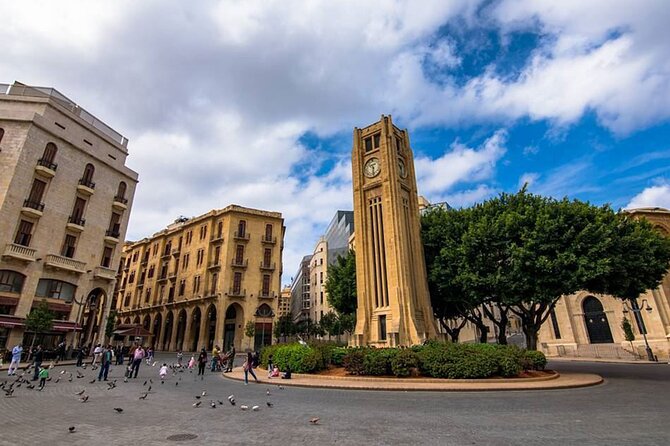
The day begins at about 8:00 a.m., with hotel pickup offered. The first stop is Place de l’Étoile, also called Nejme Square, in central Beirut. This is a good place to get your bearings. The square is surrounded by the Lebanese Parliament and related buildings, two cathedrals, cafes, restaurants, and a museum.
The most recognizable object here is the four-faced Rolex clock from 1930. You get roughly 15 minutes, enough to see the square and take photographs, but not enough for an extended look inside surrounding buildings. Think of this stop as an introduction to Beirut’s civic center rather than a full visit.
Next comes Martyrs’ Square, another 15-minute stop. Its name refers to the Ottoman executions of Lebanese nationalists on May 6, 1916, ordered by Jamal Pasha during World War I. The square was historically known as Al Burj or Place des Cannons, so your guide can help connect the modern city to its older names and political memories.
This part of the tour is useful because Beirut’s center has been repeatedly rebuilt and reshaped. You are not seeing one neatly preserved old quarter. You are seeing a city where political history, religious buildings, commercial development, and war memories sit close together.
More of Beiteddine and the Chouf:
- Beirut, Beiteddine & DeirElQamar Day Trip-With Lunch(4G on Board)
★ 4.5 · 12 reviews - Guided small group to Cedars Reserve & Beiteddine w/lunch+entries
★ 5.0 · 12 reviews - Cedars Shouf & Beiteddine w/pick-up, guide, entries+lunch
★ 4.7 · 12 reviews
Beirut’s waterfront, from Zaitunay Bay to Pigeon Rocks
The tour then shifts toward the coast. Zaitunay Bay is a modern waterfront promenade with shops and restaurants. The stop lasts about 15 minutes, so you will have time to look out over the marina and get a feel for Beirut’s newer leisure district.
I would not treat this as a shopping stop. The value is the contrast. After the formal squares downtown, you see a more contemporary side of the city, built around the water and dining.
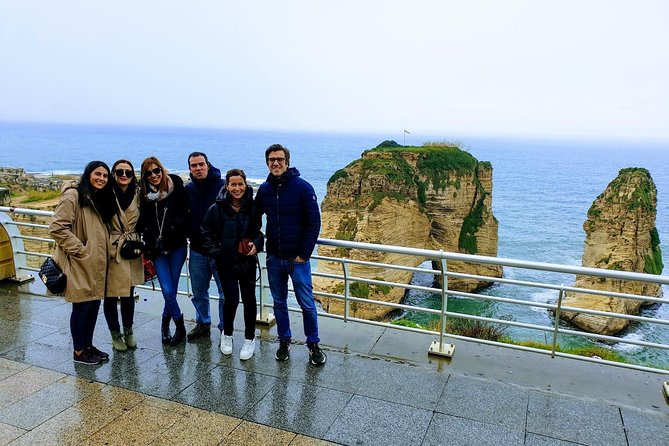
At Pigeon Rocks in Raouche, the scenery becomes the focus. Two large rock formations rise from the sea at Beirut’s western tip. The rocks are among the city’s best-known sights, and the brief visit gives you time to take in their shape from the shore.
The nearby Corniche is a palm-lined seaside promenade stretching from the Ramlet al Bayda area toward Saint George marina. From here, you can see the Mediterranean and, on a clear day, the summits of Mount Lebanon to the east. The Corniche stop also lasts about 15 minutes.
These short coastal visits are well chosen for a first look at Beirut. You get several different angles on the city, but you should not expect a long walk along the Corniche or an extended stay beside Pigeon Rocks. Wear comfortable shoes, and keep your camera ready. The schedule is designed for quick views.
The Holiday Inn and Beirut’s war memory
One of the more unusual sights is the abandoned Holiday Inn Hotel. Built between 1971 and 1974, when Beirut was enjoying a major economic and tourism boom, the hotel became part of the Battle of the Hotels during the Lebanese Civil War, which began in 1975.
The building remained abandoned after the fighting. Its damaged shell is a stark reminder of how quickly a modern city can be caught in conflict. This is not a polished monument with tidy exhibits. It is an empty war landmark, and the power comes from its unfinished condition.
The supplied details do not give a separate length for this stop, so it may be viewed during the city drive rather than as a long formal visit. If this subject matters to you, ask the guide for context when the building appears. It adds weight to the otherwise scenic morning.
Downtown’s mosque, churches, souks, and Roman baths
Back in central Beirut, the tour visits the Mohammad Al-Amin Mosque, also called the Blue Mosque. Opened in 2008, it is Lebanon’s largest mosque. Its four minarets rise 65 meters, and its light blue tiled domes and tall arches make it easy to recognize near Martyrs’ Square.
You have about 10 minutes here. That is enough to appreciate the exterior and hear the basic background, but the schedule does not promise a long interior visit. Dress respectfully at religious sites and follow the guide’s instructions.
The Al-Omari Grand Mosque offers a much older story. It was built in the period of Omar Bin El Khattab in 635 AD, later became the Church of Saint John under the Crusaders, and was converted back into a mosque by the Mamluks in 1291. The building suffered damage during the Civil War, with restoration completed in 2004.
The Greek Orthodox Cathedral of Saint George is another 10-minute stop. It is the seat of the Greek Orthodox Metropolitan bishop of Beirut and is described as the oldest church in the city. A Christian temple occupied this location as early as the mid-sixth century, with close ties to Beirut’s famous ancient law school.
Taken together, these three religious sites show why the city center is so rewarding. A mosque, a cathedral, and another historic mosque sit within a compact area, each carrying a different chapter of Beirut’s past.
The tour also passes through Beirut Souks, a large commercial district with more than 200 shops, 25 restaurants and cafes, an entertainment center, and a cinema complex. The 10-minute stop is not enough for serious shopping, but it helps you see the commercial side of the rebuilt city center.
The Roman Baths provide one more change of scale. These were part of ancient Berytus, with four major bath complexes. The first was created in the early first century under Augustus, and a major earthquake in 551 AD destroyed the baths. Excavation began in 1968 and 1969, followed by major restoration in the mid-1990s.
The Roman Baths are an outdoor archaeological site, and one bath area is used for artistic performances and concerts. Again, you have about 10 minutes, so listen closely to the explanation and focus on the layout rather than expecting a full archaeological visit.
A completely different kind of day out:
- Guided Small-Group Tour to Baalbek, Anjar and Ksara with Lunch
★ 5.0 · 511 reviews - Guided Small-Group Tour to Jeita, Harissa, Byblos with Lunch
★ 5.0 · 361 reviews - Paragliding Trip Over Lebanon – Jounieh Bay
★ 5.0 · 257 reviews - Jeita Grotto,Harissa&Byblos Full-Day PRIVATE-CAR Trip from Beirut
★ 5.0 · 222 reviews
Beiteddine Palace is the day’s centerpiece
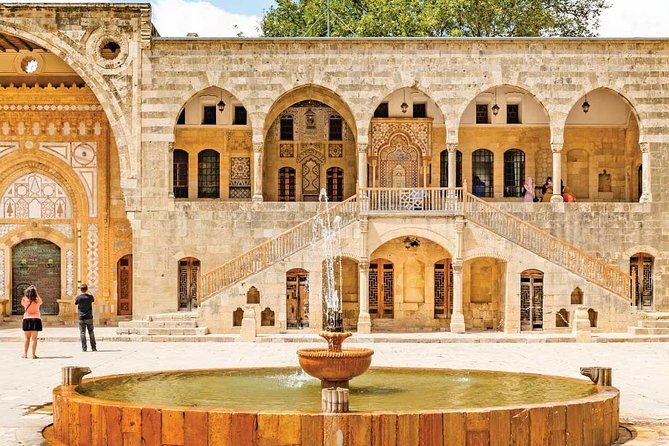
After the brisk Beirut circuit, the tour heads to Beiteddine Palace in the Chouf area. This is where the schedule slows down, with about 90 minutes and admission included.
Emir Bashir Chehab II built the palace between 1788 and 1818. Its name means House of Faith. After 1840, the Ottomans used it as a government building. During the French Mandate, it became a local administrative office, and in 1943 it was declared the official summer residence of the Lebanese president.
The palace was badly damaged during the Lebanese Civil War. Parts are now open to the public, while other sections remain connected to its role as a presidential summer residence. That mixture gives the site a more complicated character than a simple royal residence museum.
I like the way this visit anchors the whole day. Beirut gives you snapshots, while Beiteddine gives you time to understand how power, administration, and architecture worked in Mount Lebanon. The annual Beiteddine Festival also takes place here, adding a modern cultural use to the historic setting.
Your 90 minutes should allow a much better look at the palace than the short city stops allow at Beirut’s monuments. Still, the exact rooms and displays available can vary, so use the guide’s explanation to understand which parts are open during your visit.
Deir el Qamar, a village with several faiths

Only about five kilometers from Beiteddine Palace, Deir el Qamar means Monastery of the Moon. The village was the first in Lebanon to have a municipality, established in 1864. It has been home to people from several religious backgrounds, with a mosque, synagogue, and Christian churches.
The village was destroyed and burned during the conflict between Druze and Christians in 1860. Napoleon III sent a French contingent to help rebuild it. That history gives the village a serious undertone, even as you walk through its quieter streets and historic center.
You have about 30 minutes in Deir el Qamar, followed by another 30 minutes for Fakhreddine’s Mosque. The timing suggests a guided look at the village and its main religious landmark rather than an unhurried afternoon.
Fakhreddine’s Mosque is especially important because it has an octagonal minaret and dates to 1493. It was restored in the sixteenth century by Fakhreddine I and is considered the oldest mosque in Mount Lebanon.
The final site is Saydet El Talle Church, or Our Lady of the Hill. The church dates to the fifteenth century and was built over the ruins of an older Phoenician temple dedicated to Astarte. That earlier site was destroyed by an earthquake in 859.
A local legend explains the church’s religious importance. A Druze emir in Baakline reportedly saw a light coming from the hill and sent soldiers to investigate. The story connects the hill to both Islamic and Christian symbols, reflecting the shared religious history found throughout the village.
You receive about 15 minutes at the church. That is brief, but enough to see why Deir el Qamar is more than a pretty stop after the palace. Its mosque, church, communal history, and rebuilt streets put Lebanon’s religious and political past into one compact visit.
Lunch, transport, and the $99 price
At $99 per person, the price is reasonable if you want a full day with the major expenses bundled together. You receive an air-conditioned vehicle, hotel pickup and drop-off, a Lebanese lunch, a tour leader, and admission tickets to the historical sites.
The value comes from the distance and variety covered. Booking separate taxis or private transport to reach Beirut, Beiteddine, and Deir el Qamar would require more planning, while this tour handles the movement between city and mountain sites.
The lunch is described as Lebanese, and the one detailed review specifically praised it as excellent. The exact restaurant, menu, and time are not provided, so I would not book this solely as a food tour. Still, included lunch removes one practical decision from a long day.
The group limit of 15 is another plus. You will not have the flexibility of a private guide, but a group this size is small enough to hear explanations and ask questions. The review singled out Pierre as an excellent guide who offered plenty of information and fun, so his presence may be a major part of the day’s quality when he is assigned.
What to know about the pace
This is a sightseeing sampler, not a slow cultural walk. Beirut includes roughly ten named city stops before the palace, and many last only 10 or 15 minutes. That works well if you want orientation and photographs, but less well if you want to study every church, shop, or archaeological ruin.
The 8-hour duration also means you should expect a full day. The start time is about 8:00 a.m., and hotel pickup and drop-off are included, though exact pickup timing is not stated. The tour is suitable for most people according to the provided information, but anyone who finds frequent vehicle changes or short walking stops tiring should consider the pace carefully.
The tour is best for a first visit, a short stay in Lebanon, or anyone who wants a broad introduction without arranging several separate excursions. It is also a strong choice if you enjoy moving between city streets, coast, archaeology, religious buildings, and mountain villages in one outing.
Should you book this Beirut day tour?
I would book it if you want to cover a lot of ground in one day and value included transport, lunch, and tickets. The strongest parts are the contrast between Beirut’s waterfront and war landmarks, the 90-minute visit to Beiteddine Palace, and the layered religious history of Deir el Qamar.
I would choose a slower or private option if your priority is extended photography, detailed museum visits, or long meals. The city portion is quick, and the available feedback is very limited, so you should treat the praise for Pierre and the lunch as encouraging rather than a guarantee.
For most people with only one day for this combination of sights, the $99 price offers solid practical value. Book it when you want a clear introduction to Beirut and the Chouf, not when you want to linger over every stop.
FAQ
What is included in the tour price?
The tour includes a Lebanese lunch, an air-conditioned vehicle, admission tickets to the historical sites, a tour leader, and hotel pickup and drop-off.
How long does the tour last?
The tour lasts approximately 8 hours and begins at about 8:00 a.m.
How many people can join the tour?
The group has a maximum of 15 participants.
How much time is spent at Beiteddine Palace?
The visit to Beiteddine Palace lasts about 1 hour and 30 minutes, and admission is included.
Does the tour visit Deir el Qamar?
Yes. The tour includes Deir el Qamar, Fakhreddine’s Mosque, and Saydet El Talle Church.
Is hotel pickup offered?
Yes. Hotel pickup and drop-off are included, although the exact pickup time depends on the arrangements for your booking.
Just added in Beirut
- Wine Tasting Tour★ 5.0 · 2 reviews
- Lebanon tours vip jeitta byblos beirut we charge per vechile not per person.★ 5.0 · 1 review
- Lebanon’s Treasures: Jeita Grotto and Harissa Private Tour★ 5.0 · 2 reviews
- Small Group Tour to Baalbek, Anjar & Ksara with Hotel pickup★ 5.0 · 2 reviews
- Journey Through Time: A Private Tour of Tripoli and Byblos★ 5.0 · 1 review
- Guided Small-Group Tour to Baalbek, Cedars & Qozhaya with Lunch★ 5.0 · 2 reviews
- Small-Group Tour with Lunch to Sidon, Tyre & Maghdouche★ 5.0 · 2 reviews
- Small-Group Tour Qadisha Valley, Becharre and Cedars with Lunch and Tickets★ 5.0 · 1 review
Beiteddine and Deir el Qamar
Cedars Shouf & Beiteddine w/pick-up, guide, entries+lunch
Read our review →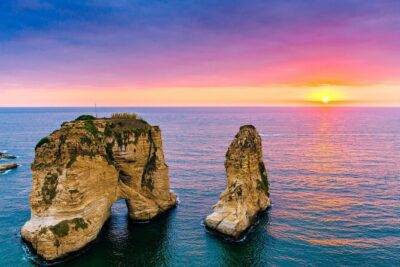
Beirut, Beiteddine & DeirElQamar Day Trip-With Lunch(4G on Board)
Read our review →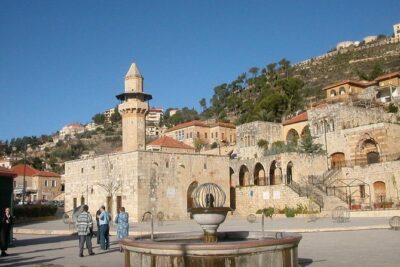
Guided small group to Cedars Reserve & Beiteddine w/lunch+entries
Read our review →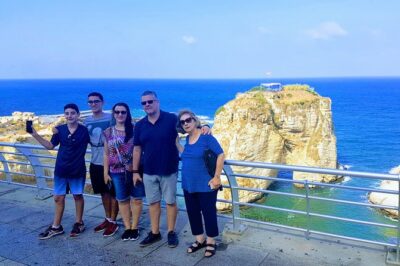
Small Group Tours to Beirut, Beiteddine & Deir el Qamar with lunch and all fees
Read our review →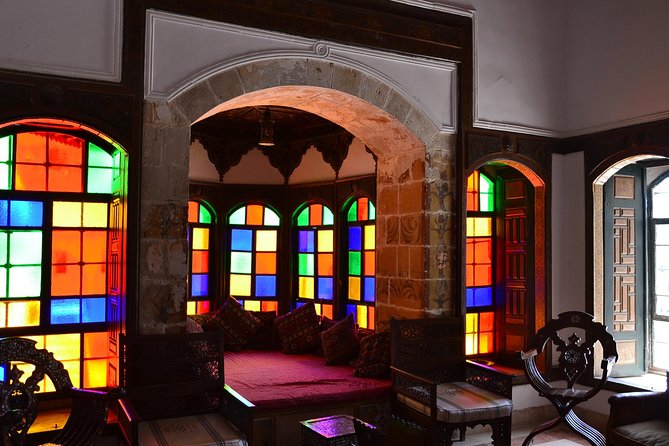
Deir el Qamar – Beiteddine Palace – Chouf Cedars From Beirut
Read our review →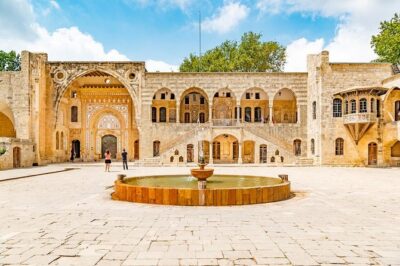
Guided Small-Group Tour to Beirut, Beiteddin & Deir elQamar
Read our review →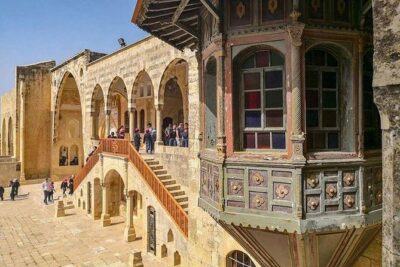
Deir Al-Qamar, Beiteddine Palace and Barouk Cedars Tour
Read our review →