REVIEW · BEITEDDINE AND DEIR EL QAMAR
PRIVATE Half-Day Tour to Beiteddine Palace & Deir elQamar
Mount Lebanon packs a lot into one morning. This private trip takes you from Beirut to Beiteddine Palace, the handmade oddity of Moussa Castle, and old Deir el Qamar, with a driver-guide handling the road and the story. I like the easy hotel pickup and the fact that the tour still operates for a solo booker. The main thing to weigh is time: roughly one hour at each stop leaves little room for lingering.
I also like the mix of grand political history, local crafts, religious traditions, and mountain views. You get more than a palace visit, but lunch is not included, and the schedule may feel brisk if you prefer slow walks and long museum visits.
In This Review
- Key points at a glance
- Why this half-day trip works from Beirut
- Beiteddine Palace and the making of modern Lebanon
- Moussa Castle, one man’s unusual dream
- Deir el Qamar and Fakhreddine’s Mosque
- What the guide adds to the morning
- Private transport and the value of $93.34
- The pace, clothing, and practical details
- Who will enjoy this Mount Lebanon outing
- Should you book this private tour?
- FAQ
- Where does the tour begin?
- How long does the tour last?
- Is this a private tour?
- Which places does the tour visit?
- Is transportation included?
- Is a guide included?
- Are admission fees included?
- Is lunch included?
- What should I wear?
- Can I cancel for a refund?
Key points at a glance
- Three very different stops in four to five hours: Beiteddine Palace, Moussa Castle, and Deir el Qamar each offer a distinct view of Mount Lebanon.
- Private transport from Beirut: Hotel pickup and drop-off come in an air-conditioned vehicle with a driver-guide.
- Beiteddine is the main historical stop: Expect stories about emirs, Ottoman and French rule, silk production, Druze traditions, and palace life.
- Moussa Castle is a personal project: The unusual building presents Lebanese village life and a large display of guns.
- Deir el Qamar rewards a short walk: Tight old streets lead to Fakhreddine’s Mosque, a historic square, and a nearby cathedral.
- Best for an efficient first look: The tour works well if you want an introduction to the Chouf area without arranging transport yourself.
Why this half-day trip works from Beirut
Beiteddine, Moussa Castle, and Deir el Qamar sit southeast of Beirut in Mount Lebanon. The drive takes you away from the capital’s traffic and toward a mountain region tied closely to the country’s political and cultural story.
I see the tour’s greatest strength in its variety. One stop focuses on rulers and formal architecture. Another comes from one man’s determination to build his own castle. The final stop is a traditional town where a mosque and cathedral share the same historic setting.
That range gives you a better sense of Lebanon than a single museum could. You are not only looking at old stone. You are also hearing about the emirs who ruled Mount Lebanon, Ottoman and French influence, silk production, religious communities, and daily customs.
The tour lasts about four to five hours, with a stated start time of 9:00 a.m. The three main visits are each planned for about an hour. The remaining time covers driving and transitions, so you should think of this as a well-packed introduction rather than a relaxed full-day outing.
More of Beiteddine and the Chouf:
- Beirut, Beiteddine & DeirElQamar Day Trip-With Lunch(4G on Board)
★ 4.5 · 12 reviews - Guided small group to Cedars Reserve & Beiteddine w/lunch+entries
★ 5.0 · 12 reviews - Cedars Shouf & Beiteddine w/pick-up, guide, entries+lunch
★ 4.7 · 12 reviews
Beiteddine Palace and the making of modern Lebanon
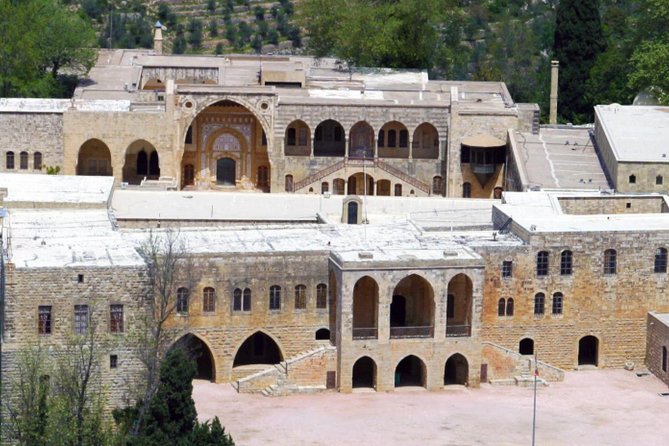
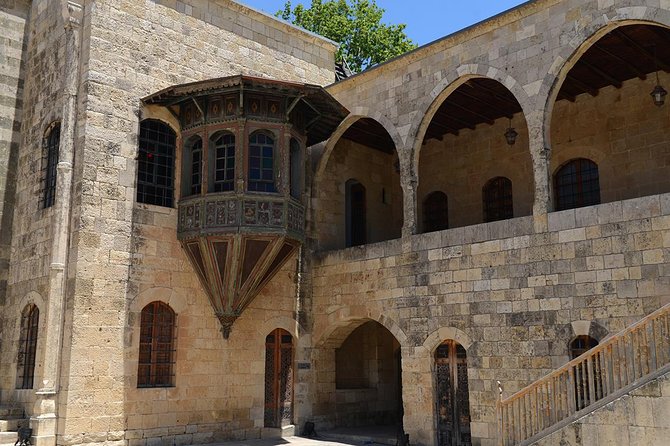
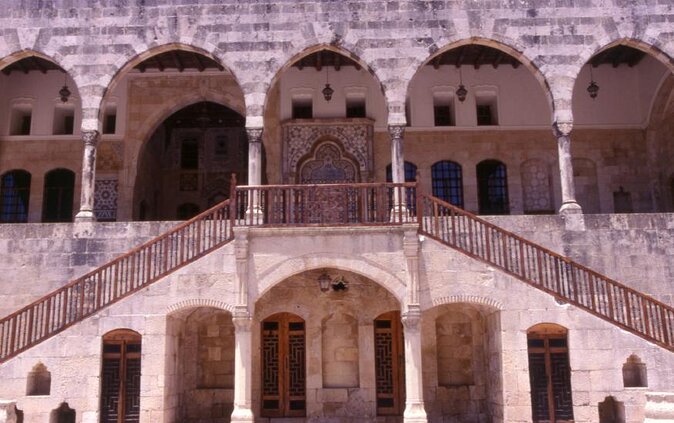
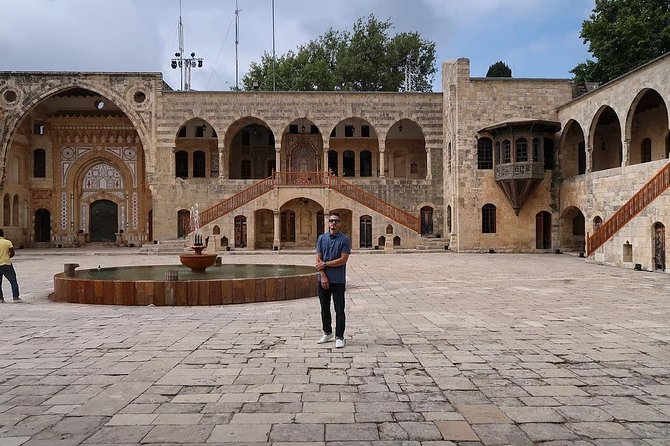
Beiteddine Palace is the historical anchor of the morning. The visit covers the 18th and 19th centuries, a period tied to the formation of modern Lebanon and the rule of the emirs in the Mount Lebanon district.
I would pay close attention to the guide here. The palace matters not only because of its rooms and decorative details, but because it offers a setting for understanding who held power, what rulers were expected to do, and how local customs shaped political life.
The explanation may include the Ottomans, the French, the duties of the rulers, and their plans for the area. You may also hear about mulberries and silk factories, an important part of the region’s economic story, along with the Druze community of Lebanon.
The palace is divided into areas described as the Cavaliers section, the presidential section, and other sections connected with palace life. There is also mention of mosaic sellers, which adds a present-day commercial note to a site tied to authority and ceremony.
You get one hour here, and that is enough for a guided introduction. It is not enough to examine every room or pause at every decorative detail. If you are especially interested in architecture, political history, or palace interiors, you may wish the schedule allowed more time.
The setting is another reason this stop earns its place. From Beirut, you trade the city for mountain views and a quieter sense of place. The change is quick, which makes the morning feel like a real break from the capital rather than a museum transfer within the city.
Moussa Castle, one man’s unusual dream
Moussa Castle changes the mood. Instead of a palace built by rulers, you visit a structure described as the dream of one man brought to life.
The castle contains three levels of exhibits about Lebanese village life. It also houses a gun museum with a large collection of weapons displayed throughout the building. That combination makes the stop unusual: part personal project, part village-life display, and part arms collection.
I would not expect Moussa Castle to feel like a conventional medieval fortress. Its appeal comes from the story behind its creation and the odd contrast between domestic village scenes and carefully arranged weapons.
You have about an hour here. That gives you time to walk through the three levels and take in the displays without turning the visit into a long museum session. Some people will find the guns especially interesting, while others may prefer the scenes showing village life.
This is also the stop where expectations matter most. If you want a polished national museum or an ancient archaeological site, Moussa Castle may feel unconventional. If you enjoy eccentric places with a strong personal story, it can be one of the morning’s most memorable visits.
Deir el Qamar and Fakhreddine’s Mosque
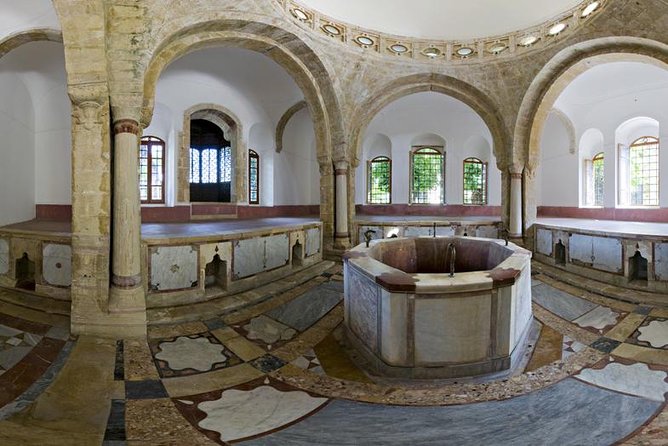
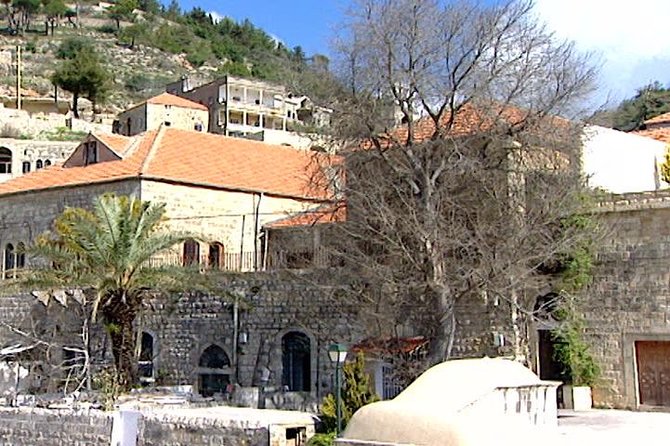
The final stop takes you to Deir el Qamar, described as the old capital of Mount Lebanon and a well-preserved traditional town. Here, the tour shifts from formal admission sites to walking and orientation in an old village setting.
The main point of interest is Fakhreddine’s Mosque, a 14th-century building located in a historic square. It sits beside a cathedral, giving the visit a useful reminder of Lebanon’s mix of religious traditions and communities.
You will walk along tight old streets rather than follow a large museum route. That makes this stop feel more immediate. The town is not presented only as a monument. You get a chance to look at its streets, squares, religious buildings, and everyday character.
There is also a local bread called Kerben. The tour description suggests trying it during the visit, though no food tasting or meal is included in the price. Since lunch is excluded, you should not count on a full meal here.
The one-hour timing is practical for a short walk and a look at the mosque area. It may feel short if you want to explore every lane or stop for a long café break. Still, Deir el Qamar adds an important human scale after the grand palace and the highly unusual castle.
A completely different kind of day out:
- Guided Small-Group Tour to Baalbek, Anjar and Ksara with Lunch
★ 5.0 · 511 reviews - Guided Small-Group Tour to Jeita, Harissa, Byblos with Lunch
★ 5.0 · 361 reviews - Paragliding Trip Over Lebanon – Jounieh Bay
★ 5.0 · 257 reviews - Jeita Grotto,Harissa&Byblos Full-Day PRIVATE-CAR Trip from Beirut
★ 5.0 · 222 reviews
What the guide adds to the morning
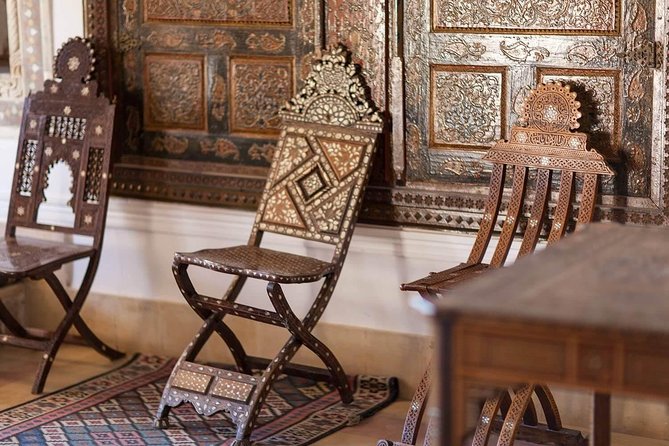
The guide is not simply there to point out buildings. The tour is built around explanation, especially at Beiteddine, where the period, rulers, customs, silk trade, and religious communities all need context.
A strong guide can connect the sites rather than treat them as three unrelated photo stops. Beiteddine introduces power and government. Moussa Castle shows a personal interpretation of Lebanese village life. Deir el Qamar brings you back to an old town where religious and civic traditions meet.
The only written rating supplied for the experience is five out of five from two reviews. The most useful detail is that the guide was praised for explaining Lebanon and the sites in depth. One person booked alone, and the tour still went ahead, which is an important benefit if you are visiting by yourself.
No guide’s name is provided, so I cannot tell you who will lead your particular departure. What I can say is that the experience depends heavily on the driver-guide’s ability to make the historical connections clear.
Private transport and the value of $93.34
At $93.34 per person, this is not the cheapest way to see the area. The price makes more sense when you consider what it bundles: a private tour, hotel pickup and drop-off, an air-conditioned vehicle, a driver-guide, and admission fees for Beiteddine Palace and Moussa Castle.
You are paying for convenience as much as entry tickets. From Beirut, arranging three stops in the mountains would require your own transport and a plan for timing. Here, you can leave the driving to someone else and keep the outing to one morning.
The value is strongest for solo visitors, couples, families, or small groups who prefer a private schedule. A group discount is offered, though the exact amount is not specified. If several people share the booking, the per-person cost may become easier to justify.
The value is weaker if you already have a car, prefer independent exploration, or want to spend several hours at one site. The tour moves at a set pace, and one hour per stop is the practical limit.
The vehicle is air-conditioned, which matters for a morning with several road sections and walking stops. Hotel pickup and drop-off also remove the need to find a meeting point across Beirut. Pickup begins at 9:00 a.m., so you should be ready at your hotel before then.
The pace, clothing, and practical details
This is a private activity, meaning only your group participates. That gives you more control than a large coach excursion, even though the overall route remains fairly structured.
You should wear smart casual clothing. That is useful advice for a tour that combines a palace, a castle, and religious sites. Comfortable shoes also make sense because Deir el Qamar includes walking through narrow old streets, though the tour does not provide a detailed accessibility description.
Most people can participate, according to the supplied information. No special physical requirements are listed. Still, you should ask the provider directly if you have mobility concerns, since the route includes historic buildings and village streets.
Lunch is not included. For a half-day trip, that is not a serious flaw, but you should plan accordingly. You might find a local bread called Kerben in Deir el Qamar, yet the tour price does not promise a meal or food tasting.
Admission is included at Beiteddine Palace and Moussa Castle. The stop at Fakhreddine’s Mosque is listed with no admission fee. All taxes are included as well, so the main extra expense to plan for is food or personal purchases.
Free cancellation is available if you cancel at least 24 hours before the 9:00 a.m. start time. Changes or cancellations made inside that window are not refunded, and bookings made within 12 hours of departure receive confirmation as soon as possible, subject to availability.
Who will enjoy this Mount Lebanon outing
I would recommend this tour to you if you are based in Beirut and want a short, organized introduction to the Chouf area. It is especially useful early in a Lebanon trip, when you want historical context before exploring more independently.
It also suits solo visitors. The fact that the departure proceeded with only one person booked suggests that you do not need to worry about a minimum group size, at least based on the information available for this experience.
History fans will appreciate the attention to emirs, Ottoman and French rule, palace duties, silk production, and the Druze community. Architecture fans get a palace, a castle, a mosque, a cathedral, and traditional streets in a single morning.
Families may also like the variety. Moussa Castle’s weapons display and unusual origin can be more engaging than a long formal museum visit. Deir el Qamar gives the group a chance to walk around instead of remaining inside buildings.
I would hesitate if you dislike guided tours, want a slow lunch, or plan to photograph every room and street. The outing is efficient, but efficiency means you will not have unlimited time at any one place.
Should you book this private tour?
Book it if you want easy transport, strong historical explanation, and three contrasting sites outside Beirut without spending a full day on the road. The private format is a real advantage, especially for solo visitors or small groups, and the included transfers simplify the morning.
The biggest trade-off is pace. You get a useful first look at Beiteddine Palace, Moussa Castle, and Deir el Qamar, not an exhaustive study of any one site. At $93.34 per person, the price is fair for private transport, guiding, and included admissions, but less attractive for independent visitors with their own car.
For a compact introduction to Mount Lebanon’s rulers, traditions, religious communities, and mountain towns, I would book it. Just arrive ready for a busy morning and make your lunch plan before leaving Beirut.
FAQ
Where does the tour begin?
The tour begins with hotel pickup in Beirut at 9:00 a.m.
How long does the tour last?
The experience lasts approximately four to five hours.
Is this a private tour?
Yes. Only your group participates in the activity.
Which places does the tour visit?
The tour visits Beiteddine Palace, Moussa Castle, and Deir el Qamar, including Fakhreddine’s Mosque.
Is transportation included?
Yes. Hotel pickup and drop-off are included in an air-conditioned vehicle.
Is a guide included?
Yes. A driver-guide is included.
Are admission fees included?
Admission fees are included for Beiteddine Palace and Moussa Castle. Fakhreddine’s Mosque is listed with free admission.
Is lunch included?
No. Lunch is not included.
What should I wear?
Smart casual clothing is requested.
Can I cancel for a refund?
Yes. You can receive a full refund if you cancel at least 24 hours before the experience’s start time.
Just added in Beirut
- Beirut Walking Tour – Discover Beirut by foot★ 5.0 · 2 reviews
- Lebanon’s Historic Gems: Private Tour of Jeita, Byblos & Harissa★ 5.0 · 1 review
- Discover the Hidden Gems: Qadisha, Bcharee, Cedars and Kozhaya★ 5.0 · 1 review
- Journey Through Time: Exploring the Temples of Baalbek★ 5.0 · 1 review
- Beiteddine and Al-Chouf Cedar Reserve★ 4.5 · 2 reviews
- Beirut Like a Local: Customized Private Tour★ 5.0 · 1 review
- Beirut Airport Transfer in a Limousine★ 5.0 · 2 reviews
- Discover the Heartbeat of Lebanon: Beirut By Car – Panoramic Tour★ 5.0 · 1 review
Beiteddine and Deir el Qamar
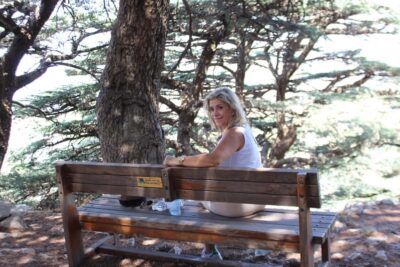
Cedars Shouf & Beiteddine w/pick-up, guide, entries+lunch
Read our review →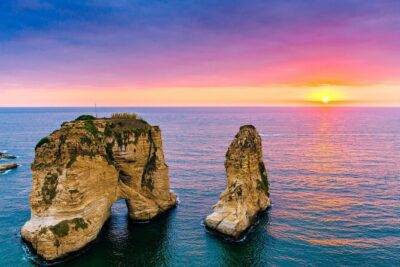
Beirut, Beiteddine & DeirElQamar Day Trip-With Lunch(4G on Board)
Read our review →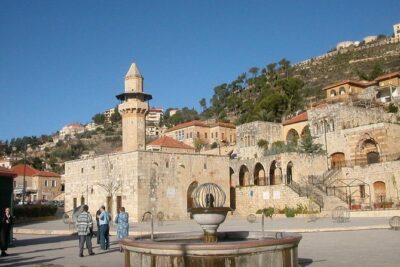
Guided small group to Cedars Reserve & Beiteddine w/lunch+entries
Read our review →
Small Group Tours to Beirut, Beiteddine & Deir el Qamar with lunch and all fees
Read our review →
Deir el Qamar – Beiteddine Palace – Chouf Cedars From Beirut
Read our review →
Guided Small-Group Tour to Beirut, Beiteddin & Deir elQamar
Read our review →
Deir Al-Qamar, Beiteddine Palace and Barouk Cedars Tour
Read our review →